
In the rapidly evolving landscape of laboratory biosafety, the demands for effective sterilization solutions are higher than ever. Laboratories dealing with microbiological pathogens face strict requirements for contamination control, as the potential for biohazard exposure can lead to significant public health risks. Traditional sterilization methods, such as flame sterilizers, may no longer suffice due to safety concerns and inefficiencies in workflow. Enter the Micro Incinerator, particularly the Infrared Inoculating Loop Sterilizer, which is revolutionizing waste management and sterilization practices across various scientific fields in India.
Technical Principles of Micro Incinerators
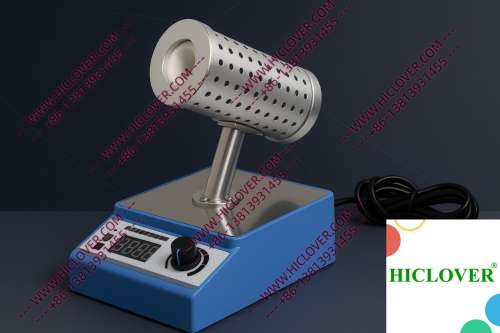
The Micro Incinerator turns sterilization into a user-friendly process through innovative infrared heating technology. Unlike traditional flame sterilizers that utilize open flames, this system employs a robust ceramic heating chamber that achieves rapid thermal sterilization. The enclosed design ensures that all components are heated uniformly and minimizes the risk of open flames, making it ideal for use in clean environments, such as BSL-2 or BSL-3 microbiology labs.
At the heart of the Micro Incinerator is its infrared heat emitter, which produces high-temperature disinfection efficiently. This ensures thorough aerosol-free handling, providing a safer working environment for laboratory personnel. The sterilization process is not only rapid but also highly effective, eliminating contaminants from inoculating loops, metal tools, and other laboratory utensils.
Application Scenarios in Real Labs
1. Teaching Laboratories

In university teaching labs, students often engage in hands-on experiments involving pathogenic microorganisms. The Micro Incinerator serves as an invaluable tool for maintaining biosafety. Students can easily sterilize their tools between experiments without the hazards associated with traditional flame burners. With quick heat-up times, the incubator allows for efficient workflow and consistent educational training without the disruptions of waiting for flame sterilizers to cool or heat up.
2. Field Testing Environments
In scenarios where laboratories operate outside of a controlled environment, such as field testing in rural India, the Micro Incinerator proves pivotal. For example, research teams collecting environmental samples must ensure that tools are sterilized on-site to prevent contamination. The compact and portable design of infrared sterilizers allows researchers to perform safe and effective sterilization even in remote locations, hence enhancing the reliability of field results.
Compliance with Sterilization Standards
As laboratory practices continue to evolve, compliance with various biosafety and sterilization standards has become increasingly essential. The World Health Organization (WHO) outlines clear guidelines for laboratory safety, particularly in clinical diagnostics and research settings. Standards dictate that flame sterilizers may pose a risk in cleanroom environments due to the potential release of aerosols and contamination risks.
Furthermore, both national and international guidelines emphasize no flame practices in BSL-2 and BSL-3 labs. Utilizing a Micro Incinerator resolves these compliance concerns, ensuring both effective sterilization and adherence to safety protocols. As India seeks to align part of its laboratory practices with global standards, the integration of Micro Incinerators positions research facilities on the forefront of biosafety compliance.
Advantages of Micro Incinerators over Traditional Flame Sterilizers
| Feature | Micro Incinerator | Traditional Flame Burners |
|---|---|---|
| Heat Source | Infrared ceramic heating | Open flame |
| Cleanliness | Aerosol-free | Risk of contamination |
| Safety | No open flames | High risk of burns and fire hazards |
| Speed | Rapid thermal sterilization | Variable heating times |
| Compliance | Meets WHO guidelines | Often non-compliant in clean rooms |
Frequently Asked Questions
What is the main advantage of using a Micro Incinerator in laboratories?
The primary advantage is the rapid thermal sterilization without the hazards associated with open flames, enhancing lab safety and streamlining workflow.
Can I use a Micro Incinerator in a cleanroom environment?
Yes, Micro Incinerators are designed to meet safety and cleanliness standards appropriate for cleanroom applications, especially in BSL-2 and BSL-3 labs.
How does Micro Incinerator sterilization compare to traditional methods?
Micro Incinerators provide more efficient, cleaner, and safer sterilization compared to traditional methods like alcohol lamps or Bunsen burners.
Is the Micro Incinerator portable for field testing?
Yes, the compact design of the Micro Incinerator makes it suitable for field settings where onsite sterilization is necessary.
What kind of maintenance is required for a Micro Incinerator?
Generally, maintenance is minimal. Regular cleaning and ensuring that the infrared elements are functioning will keep the unit in optimal condition.
Conclusion
The challenges of contamination control in laboratories cannot be overstated, and as India progresses towards enhanced biosafety standards, embracing innovations like Micro Incinerators is crucial. Their efficacy in sterilization, compliance with health guidelines, and the safety they provide over traditional flame sterilizers mark them as essential tools for modern laboratory practices. For laboratories, hospitals, universities, and research centers seeking to enhance waste management systems and sterilization workflows, investing in a Micro Incinerator is a step towards safety, efficiency, and compliance. Contact us today to learn more about integrating this transformative technology into your laboratory.
Categories:
Tags: