
As Uganda grapples with a growing waste crisis, the need for effective waste management solutions has never been more urgent. Laboratory settings, in particular, face distinct biosafety challenges, necessitating the rapid and efficient sterilization of equipment and biological materials. Among these solutions, the Micro Incinerator, specifically the Infrared Inoculating Loop Sterilizer, emerges as a sustainable and reliable option. This article delves into the operational advantages and applications of the Micro Incinerator, highlighting its significance in managing laboratory sterilization demands.
Understanding the Micro Incinerator
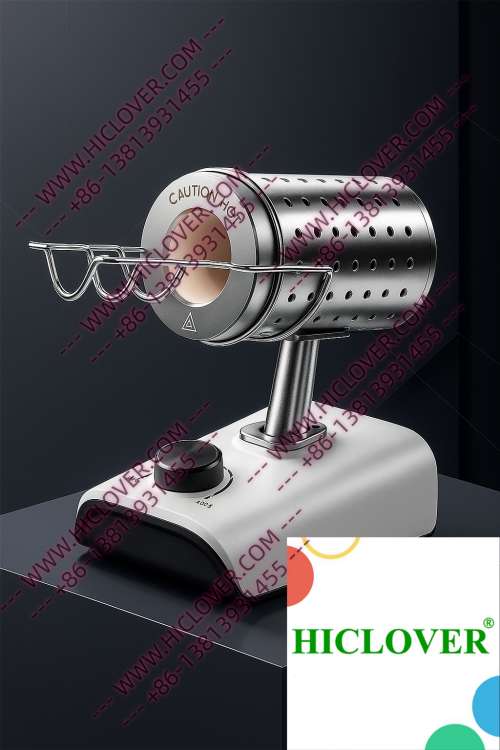
The Micro Incinerator operates on the principle of infrared heating to achieve rapid thermal sterilization. Unlike traditional methods that utilize flame, this device features an enclosed ceramic tube that generates high temperatures, ensuring thorough disinfection of inoculating loops, needles, and other laboratory tools. This advanced sterilization technology offers a clean-bench-safe environment, minimizing the risk of contamination and enhancing operational workflow.
Technical Features and Configuration
The unique configuration of the Micro Incinerator offers myriad advantages over conventional flame sterilizers such as alcohol lamps and Bunsen burners:
- Infrared Heat: Provides uniform heating, allowing for faster sterilization cycles.
- Contamination Control: Enclosed design prevents exposure to airborne contaminants.
- Aerosol-Free Handling: Eliminates aerosol generation, crucial in BSL-2 and BSL-3 microbiology labs.
- Eco-Friendly Operation: Reduces emissions resulting from flaming, contributing to sustainable laboratory practices.
- Portability: Compact design allows for easy transport, making it ideal for field testing and mobile laboratories.
- Meeting laboratory sterilization standards set by WHO and ISO.
- No open flames are permitted in clean rooms and sterile environments.
- Minimized aerosol generation aligns with biosafety guidelines.
Application Scenarios
Micro Incinerators have proven to be invaluable across various laboratory settings:
Biosafety Cabinet Operations
In BSL-2 and BSL-3 microbiology labs, Micro Incinerators provide a clean and sterile environment essential for handling pathogens. Utilizing infrared sterilization, lab technicians can quickly and effectively sterilize equipment without introducing open flames, thereby adhering to stringent biosafety protocols.
Clinical Diagnostics and Teaching Laboratories
In clinical labs, rapid thermal sterilization aids in maintaining the integrity of samples while mitigating contamination risks. Additionally, educational institutions benefit from employing Micro Incinerators in their teaching labs, where students can safely practice sterilization techniques without the hazards associated with flame-based systems.
Compliance with Biosafety Standards
The integration of Micro Incinerators in laboratory operations resonates with compliance to global biosafety and sterility standards. The World Health Organization (WHO) emphasizes the importance of maintaining hygienic practices in lab environments, which entails the use of advanced sterilization equipment. Key compliance aspects include:
| Feature | Micro Incinerator | Traditional Flame Burners |
|---|---|---|
| Heat Source | Infrared | Open Flame |
| Contamination Risk | Low | High |
| Operational Safety | High | Moderate |
| Environmental Impact | Minimal | Higher Emissions |
| Speed of Sterilization | Fast | Slower |
Frequently Asked Questions (FAQs)
What is a Micro Incinerator and how does it work?
The Micro Incinerator is a laboratory sterilization device that uses infrared heat to achieve rapid thermal sterilization, ensuring an efficient and safe means of sterility without the risks associated with open flames.
How does the Micro Incinerator enhance laboratory safety?
This device minimizes the risk of contamination and aerosol production, essential in maintaining hygiene in BSL-2 and BSL-3 environments.
Can the Micro Incinerator be used in field testing?
Yes, its compact and portable design makes it an excellent choice for field testing in various laboratory setups.
What are the advantages of using a Micro Incinerator over traditional flame sterilizers?
Micro Incinerators provide a more reliable, quicker, and environmentally friendly option, with fewer safety risks compared to traditional flame sources.
Is the Micro Incinerator compliant with WHO standards?
Yes, the Micro Incinerator meets international biosafety and laboratory standards, helping labs maintain compliance with WHO regulations.
Conclusion: Embracing Sustainable Solutions for Laboratory Sterilization
In conclusion, as Uganda faces a pressing waste management issue, the adoption of technology like the Micro Incinerator can significantly improve the situation. Laboratories, clinical diagnostics, and educational institutions stand to gain immeasurably by transitioning to infrared-based sterilization methods. By using cutting-edge equipment that adheres to safety standards, laboratories can set a precedent for sustainability and efficiency. If you’re ready to enhance your laboratory’s sterilization workflow, consider leading the way with a Micro Incinerator today!
Categories:
Tags: