
In the ever-evolving landscape of laboratory biosafety, one of the persistent challenges is effectively managing waste to mitigate waste pollution. Labs are not only tasked with research but also facing the demands of rigorous sterilization workflows. Traditional sterilization methods, such as alcohol lamps and Bunsen burners, often present safety risks, including exposure to open flames and particulate aerosols. To meet these safety needs, many labs in Belgium are turning to micro incinerators, particularly the Micro Incinerator / Infrared Inoculating Loop Sterilizer.
Technical Principles Behind Micro Incinerators
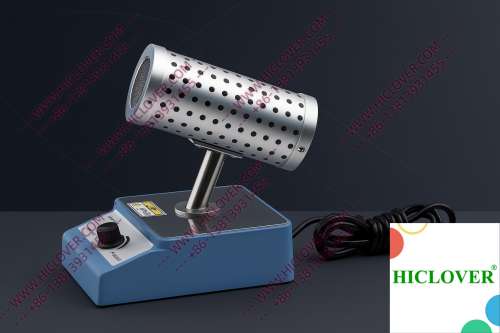
The core operating principle of a micro incinerator leverages rapid thermal sterilization technology. This device utilizes an enclosed ceramic tube that emits infrared heat, ensuring a uniform and high-temperature disinfection environment. Unlike traditional flame sterilizers, the infrared sterilizer operates efficiently without flames, making it safer for use in clean rooms and sensitive environments.
The unique design allows for precise control over the heating process, minimizing the risk of thermal damage to instruments while ensuring thorough sterilization of inoculating loops and other microbial handling tools. The rapid heating and cooling cycles offered by these units are instrumental in preventing contamination, making them essential in a variety of lab settings.
Application Scenarios in Laboratories
1. University Teaching Laboratories
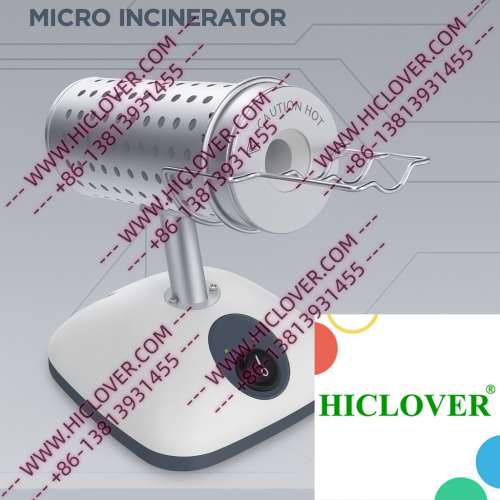
In university teaching labs, where students perform microbial manipulation, a Micro Incinerator ensures that students can safely learn important techniques without the hazards posed by flame sterilizers. For example, during microbiology classes, students can sterilize their inoculating loops efficiently, fostering a safe learning environment.
2. Biosafety Cabinets and Field Testing
Biosafety cabinets, typically designed for BSL-2 or even BSL-3 micro-biological research, demand strict adherence to sterilization protocols. Micro incinerators embedded within these cabinets provide a safe and effective means of decontaminating tools before and after usage. Additionally, in the increasing trend of field testing, these portable units serve researchers in remote locations, enabling them to maintain high sterilization standards without the need for traditional combustible sterilizing methods.
Compliance and Environmental Considerations
With an increasing global awareness regarding biosafety, adherence to WHO biosafety standards has become paramount for labs in Belgium. This includes compliance with lab sterilization standards, which dictate that any methods used must avoid open flames in cleanrooms to prevent contamination.
Micro Incinerators meet these standards by providing an aerosol-free handling method, making them indispensable in sensitive environments. Their design offers significant improvements in waste management, combating waste pollution through the effective incineration of microbial waste while generating fewer emissions compared to traditional methods.
Advantages of Micro Incinerators Over Flame Sterilizers
- Safety: No open flames, reducing fire risks.
- Efficiency: Rapid thermal sterilization minimizes waiting time.
- Environmental Impact: Less particulate release and improved waste management.
- Versatility: Applicable in various lab settings beyond traditional microbiological labs.
Comparison Table: Micro Incinerator vs. Flame Sterilizers
| Feature | Micro Incinerator | Flame Sterilizer |
|---|---|---|
| Safety | No open flame | Risk of burns and fires |
| Speed | Quick heating & cooling | Variable heating times |
| Compliance | Meets WHO standards | Not ideal for clean rooms |
| Environmental Impact | Less waste and emissions | More emissions through combustion |
Frequently Asked Questions (FAQs)
What is a Micro Incinerator?
A Micro Incinerator is a compact laboratory device used for rapid thermal sterilization of inoculating loops and other microbial tools, primarily utilizing infrared heat for efficient disinfection.
How do Micro Incinerators ensure safety in the lab?
These devices eliminate the need for open flames, significantly lowering the risk of accidents and promoting a safer working environment compared to traditional flame sterilizers.
Can Micro Incinerators be used in field testing applications?
Yes, the portable design of Micro Incinerators makes them an ideal solution for researchers conducting field tests, providing reliable sterilization away from traditional lab settings.
Are Micro Incinerators compliant with WHO standards?
Absolutely, Micro Incinerators meet the necessary WHO biosafety standards and lab sterilization regulations, ensuring safe and effective operations in various laboratory environments.
What are the key benefits of using a Micro Incinerator in clinical diagnostics?
In clinical diagnostics, Micro Incinerators enhance contamination control, provide rapid sterilization processes, and contribute to generating less waste compared to conventional flame methods.
Conclusion
The future of waste management and sterilization in laboratories looks promising with the adoption of Micro Incinerators in Belgium. Whether in university settings, clinical environments, or field testing, the superiority of these devices over traditional flame sterilizers is evident. By ensuring compliance with biosafety standards and improving operational safety and efficiency, micro incinerators represent a compelling investment for any laboratory aiming to enhance their workflow. For more information or to make a purchase, connect with us today!
Categories:
Tags: