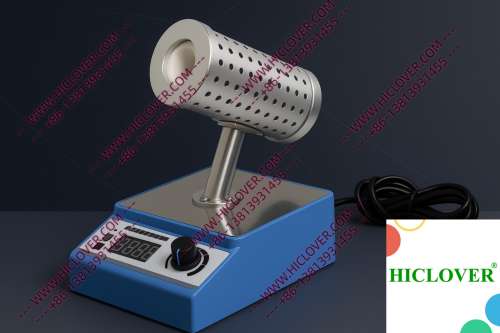
With increasing demands on laboratory biosafety and the need for efficient sterilization workflows, laboratories are continually challenged to enhance their sterilization protocols. Traditional methods, such as Bunsen burners and alcohol lamps, come with their own set of drawbacks—including the generation of aerosols and flammable hazards. Enter the innovative Micro Incinerator and its infrared inoculating loop sterilizer variant, designed to handle these sterilization hurdles while offering numerous advantages.
Understanding the Technical Principles of Micro Incinerators
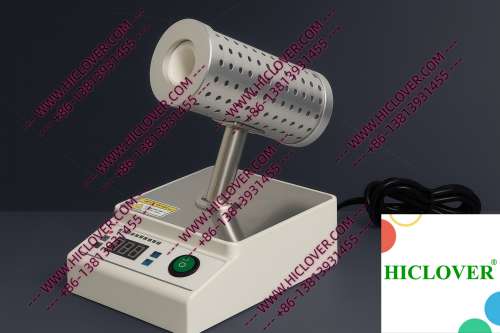
The Micro Incinerator operates through a high-temperature, enclosed ceramic heating chamber that utilizes infrared heat for rapid thermal sterilization. This technology enables effective disinfection at elevated temperatures without the risk of flames or hot surfaces. The enclosed design not only controls the heat but also minimizes exposure to the environment, making it perfect for sensitive laboratory applications.
Advantages Over Traditional Methods
- Enhanced Safety: No open flames reduce the risk of fire and provide a safe working environment.
- Rapid Sterilization: Achieves sterilization in seconds, improving workflow efficiency.
- Aerosol-Free Handling: Minimizes the risk of contamination from aerosols, enhancing biosafety.
- Compact Design: Fits seamlessly into biosafety cabinets and other confined workspaces.
- What is a Micro Incinerator used for?
A Micro Incinerator is used for rapidly sterilizing tools like inoculating loops and needles, making it essential in maintaining biosafety in laboratory and academic settings. - How does infrared sterilization work?
It utilizes infrared heat to achieve high temperatures that sterilize the instruments quickly and effectively, all while minimizing contamination risks. - Are Micro Incinerators safe for use in clean rooms?
Yes, their enclosed design and elimination of flames ensure safety and compliance in clean room environments. - Can Micro Incinerators be used in field testing labs?
Definitely! Their lightweight, portable design makes them perfect for mobile laboratory settings where quick sterilization is needed. - How do Micro Incinerators compare to alcohol lamps?
Micro Incinerators are safer (no open flames), provide rapid sterilization, and do not generate aerosols, unlike alcohol lamps.
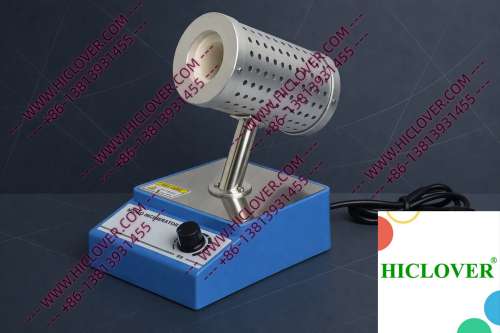
Applications of Micro Incinerators in Various Laboratory Settings
The versatility of Micro Incinerators is showcased across diverse laboratory environments. Here are two primary scenarios where these devices are making a significant impact:
1. Biosafety Cabinets in Research Laboratories
Micro Incinerators are increasingly integrated into BSL-2 and BSL-3 microbiology labs, providing a safe and efficient means of sterilizing inoculating loops, needles, and other sterile tools. In such controlled environments, it’s critical to maintain contamination control; the enclosed ceramic tube design ensures that air quality and safety are not compromised during sterilization. Users benefit from quick cycle times and the ability to sterilize multiple instruments without the need for additional equipment.
2. Teaching Labs and Field Testing Environments
In academic settings, especially in university teaching labs, educators can use Micro Incinerators for demonstrations and hands-on training with sterilization processes. Students learn the importance of sterilization in microbiology in a safe, controlled manner. In mobile laboratory settings, such as field testing labs set up for environmental studies or clinical diagnostics, the portability and lightweight design of Micro Incinerators make them indispensable tools. They allow for rapid sterilization without the complications associated with traditional flame sterilizers.
Compliance and Environmental Considerations
Micro Incinerators help laboratories comply with safety standards set by organizations such as the WHO and national laboratory sterilization guidelines. Their operation eliminates the need for flame, making them ideal for clean rooms and sensitive facilities where undesired combustion could disrupt sterile conditions. Additionally, using electrical sterilization equipment minimizes hazardous waste, aligning with growing trends toward waste minimization and environmental sustainability.
Biosafety Compliance Reference Summary
| Compliance Aspect | Micro Incinerator | Traditional Flame Burner |
|---|---|---|
| Open Flames | No | Yes |
| Aerosol Generation | Minimal | High |
| Temperature Control | Enclosed, precise | Variable, uncontrolled |
| Compliance with WHO | Yes | No |
Frequently Asked Questions
Conclusion
As laboratories across America face increasing demands for efficiency and biosafety, the innovative Micro Incinerator, particularly the Infrared Inoculating Loop Sterilizer, is emerging as a crucial component of modern sterilization protocols. By adopting this technology, labs can significantly improve their sterilization workflows while adhering to compliance standards and promoting environmental sustainability.
If you are interested in enhancing your laboratory’s sterilization capabilities, consider investing in a Micro Incinerator. For more information and inquiries on product availability, please contact us today!
Categories:
Tags: