
As cities evolve into smart ecosystems, the management of laboratory waste poses significant biosafety challenges for healthcare and educational institutions. The demand for efficient sterilization workflows is particularly evident in environments like BSL-2 and BSL-3 microbiology labs, where the risk of contamination is high. Traditional flame-based sterilization methods, such as Bunsen burners and alcohol lamps, often fall short in providing rapid thermal sterilization without introducing aerosols or potential flames that compromise clean conditions. This is where micro incinerator devices, such as the Micro Incinerator / Infrared Inoculating Loop Sterilizer, emerge as revolutionary solutions.
The Technical Principle Behind Micro Incinerators
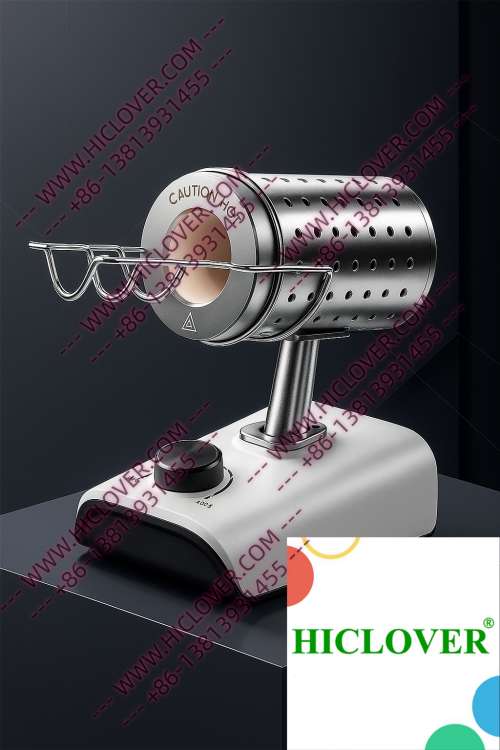
Micro incinerators utilize infrared heat technology to achieve high-temperature disinfection within an enclosed ceramic heating chamber. Unlike traditional methods, which typically rely on an open flame, these devices provide a clean and efficient way to eliminate contaminants. The infrared radiation heats up the sterilizing element almost instantaneously, allowing for rapid sterilization of inoculating loops, blades, and pipettes in just a matter of seconds.
- Enclosed Ceramic Tube: Provides consistent heat distribution and minimizes risk of fire hazards, making it safe for use in clean rooms.
- Compact Design: Ideal for laboratory settings where space is at a premium.
- Energy Efficient: Consumes less power than traditional flames, contributing to sustainability goals in smart cities.
Applications in Real Laboratory Settings
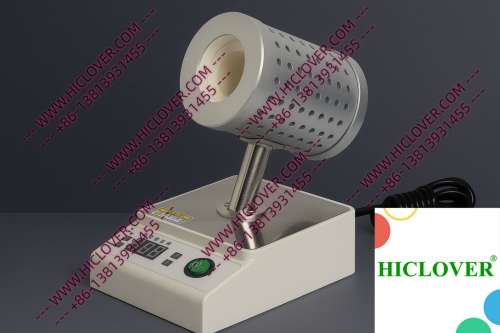
Micro incinerators find versatile applications across various laboratory environments. Here are two prominent scenarios showcasing their utility:
1. Teaching Laboratories
In university teaching labs, the Micro Incinerator is employed during microbiological courses where students learn vital techniques such as streak plating. The use of infrared devices allows sterilization of instruments without the risks associated with open flames. This ensures a safe learning environment while maintaining compliance with biosafety regulations.
2. Field Testing Laboratories
In mobile laboratories, for instance, those involved in environmental monitoring, the Micro Incinerator proves invaluable. Equipped for rapid sterilization during field testing, it ensures compliant handling of samples without the need for bulky combustion equipment. This aids in maintaining the integrity of sensitive tests while adhering to stringent WHO biosafety standards.
Compliance and Environmental Considerations
Laboratories must adhere to rigorous biosafety and sterilization standards set forth by organizations like the World Health Organization (WHO). The primary focus is on minimizing environmental impact while ensuring effective contamination control. Micro incinerators eliminate open flames and reduce aerosol formation, making them a more suitable alternative for clean rooms—aligning with critical guidelines for laboratory safety and environmental responsibility.
Furthermore, with the rise of smart cities, there is an increasing need for technologies that effectively manage waste materials produced in laboratory environments. The low emissions and high efficiency of micro incinerator devices support urban sustainability goals and enhance public health through improved waste management.
Comparison of Micro Incinerators vs. Traditional Flame Sterilizers
| Feature | Micro Incinerator | Flame Sterilizers |
|---|---|---|
| Heat Source | Infrared | Open Flame |
| Safety | Clean-bench-safe | Fire Hazard |
| Contamination Control | Aerosol-free handling | Potential Aerosol Formation |
| Heating Time | Seconds | Variable |
| Power Consumption | Low | High |
FAQs About Micro Incinerators
- What is the purpose of a Micro Incinerator?
The Micro Incinerator is designed for quick and efficient sterilization of laboratory tools, ensuring they are free of contaminants before use.
- How does the Micro Incinerator compare to traditional methods?
It provides faster sterilization, reduces fire hazards, and limits aerosol exposure, making it safer for clean work environments.
- Is the Micro Incinerator compliant with WHO standards?
Yes, it meets the necessary biosafety and sterilization standards, making it suitable for use in various laboratory settings.
- Can Micro Incinerators be used in field testing?
Absolutely, they are compact and designed for on-the-go sterilization needs, enhancing mobility for field researchers.
- What types of laboratories benefit the most from Micro Incinerators?
They are particularly beneficial in BSL-2/BLS-3 microbiology labs, teaching labs, and any sterile environments like CO₂ incubators and anaerobic chambers.
Conclusion
As the push for smart cities gains momentum, the integration of innovative technologies like micro incinerators will be essential in combating laboratory waste efficiently. By embracing the advantages of Micro Incinerator / Infrared Inoculating Loop Sterilizers, institutions can enhance their sterilization workflows while prioritizing safety and environmental responsibility. For our detailed product offerings or inquiries, feel free to contact us today to discover how we can assist your laboratory needs.
Categories:
Tags: