
In today’s rapidly evolving medical landscape, the battle against infection takes precedence in hospital settings, research facilities, and educational institutions. As pathogens become more resistant, the demand for effective sterilization workflows in laboratories is paramount. Among the myriad of sterilization solutions available, the Micro Incinerator or Infrared Inoculating Loop Sterilizer emerges as a crucial device intended to maintain biosafety and ensure proper sterilization of inoculating loops crucial for research and clinical diagnostics.
Practical Laboratory Biosafety Challenges
Laboratories encounter several biosafety challenges that necessitate rigor in sterilization equipment. Among these challenges is contamination control, particularly in environments adhering to stringent laboratory biosafety levels such as BSL-2 and BSL-3. These labs often handle pathogenic organisms that can spread infections if improperly managed. Traditional methods, such as using alcohol lamps or Bunsen burners, pose several risks including flame-related hazards and potential aerosol generation, which can compromise the clean bench area’s integrity where sensitive work occurs.
Technical Principles of Micro Incinerators
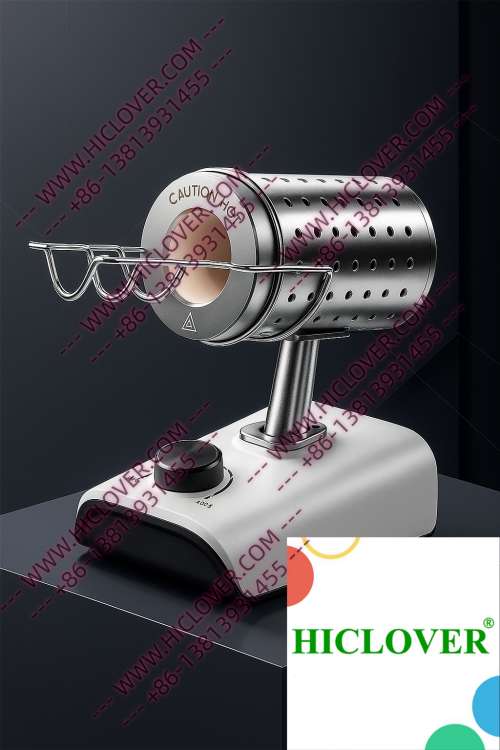
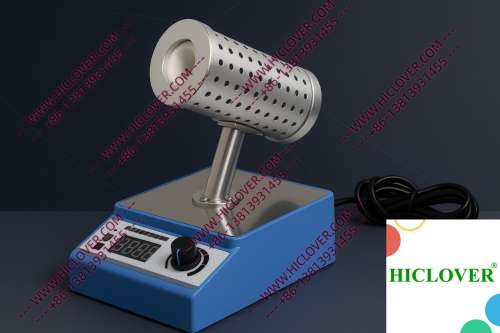
The Micro Incinerator operates on the principle of rapid thermal sterilization using infrared heat within an enclosed ceramic tube. By heating the inoculating loop to high temperatures almost instantaneously, this device provides a reliable method of achieving high-temperature disinfection without the risks associated with open flames. The enclosed design minimizes exposure to potentially harmful aerosols, making it a vital asset in maintaining biosafety protocols.
“Infrared high-temperature disinfection is not only safer but also enhances workflow efficiency in sensitive laboratory settings.”
Application Scenarios in Real Labs
There are several scenarios where a Micro Incinerator proves indispensable:
- Biosafety Cabinet Usage: In BSL-2 laboratories, where microbiological agents are manipulated, using a Micro Incinerator allows technicians to quickly sterilize inoculating loops within a biosafety cabinet, ensuring minimal external contamination while working with pathogenic samples.
- Field Testing Systems: In mobile labs deployed for rapid testing during disease outbreaks or field research, the portability and efficiency of the Micro Incinerator enable scientists to sterilize tools without the need for traditional fuel sources, ensuring compliance with biosafety practices even when resources are limited.
Compliance and Environmental Considerations
Organizations such as the World Health Organization (WHO) set forth stringent biosafety and sterilization standards to mitigate risks associated with laboratory work. The Micro Incinerator aligns perfectly with these guidelines, as it operates without open flames—ideal for clean rooms and areas requiring a high degree of contamination control.
Furthermore, complying with lab sterilization standards not only protects laboratory personnel but also contributes to better environmental practices. Unlike traditional flame-based methods, which may release volatile compounds, the infrared technology utilized by the Micro Incinerator promotes an eco-friendly sterilization process.
Advantages Over Traditional Flame Sterilizers
| Feature | Micro Incinerator | Traditional Flame Sterilizers |
|---|---|---|
| Safety | No flame, reduced risk of fire hazards | Open flame, fire hazards present |
| Speed | Rapid heating and cooling | Longer heating time |
| Contamination Control | Enclosed, aerosol-free | Open exposure, potential aerosol generation |
| Portability | Compact and easy to transport | Requires fuel and space |
Common Questions About Micro Incinerators
1. What is a Micro Incinerator?
A Micro Incinerator is a laboratory sterilization device that uses infrared heat to quickly sterilize inoculating loops and other small instruments without an open flame.
2. Why are Micro Incinerators important for laboratory safety?
They enhance safety by eliminating open flames, reducing contamination risks, and helping to comply with stringent biosafety regulations in sensitive environments.
3. Can Micro Incinerators be used in field settings?
Yes, their portability and efficiency make them ideal for rapid field testing and mobile laboratory operations, ensuring safety even in challenging environments.
4. How do Micro Incinerators improve sterilization workflows?
With rapid heating capabilities and reduced contamination risks, these devices streamline the sterilization process, enhancing overall lab efficiency and safety protocols.
5. Are Micro Incinerators compliant with international standards?
Yes, they conform to international biosafety and sterilization standards set by organizations such as WHO, making them suitable for use in various laboratory settings.
Conclusion
In an era where combating infection is more critical than ever, the adoption of innovative sterilization solutions like the Micro Incinerator is indispensable. By providing a safe, efficient, and compliant alternative to traditional flame sterilizers, it stands out as a game-changer in maintaining laboratory safety and improving workflow efficiency. For laboratories requiring reliable sterilization methods, considering the Micro Incinerator is a wise investment. Contact us today to explore this essential equipment further!
Categories:
Tags: