
As laboratory professionals and researchers tackle the ongoing challenges of biosafety and contamination control, the need for rapid thermal sterilization solutions becomes undeniably crucial. In various settings, particularly in the bustling cities of the Czech Republic, the deployment of Micro Incinerators—specifically the Infrared Inoculating Loop Sterilizer—provides an innovative answer to sterilization workflow demands.
Understanding the Technical Principles
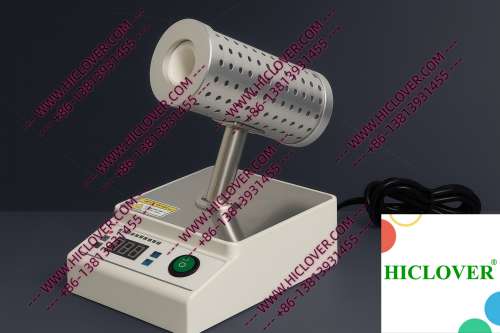
The Micro Incinerator operates on a fundamental principle of infrared heat generation. This advanced sterilization equipment utilizes an enclosed ceramic heating chamber that reaches high temperatures quickly while maintaining a compact and portable design. Infrared sterilization offers several advantages over traditional flame sterilizers, such as alcohol lamps and Bunsen burners, particularly in terms of operational safety and compliance with modern biosafety standards.
Unlike open flames, the Micro Incinerator ensures an aerosol-free handling environment, significantly minimizing the risk of contamination in laboratory settings. It is especially vital in clean rooms and BSL-2 or BSL-3 microbiology labs, where delicate procedures must be adhered to, reducing exposure to pathogens and protecting researchers’ health.
Key Features of Micro Incinerators
- Rapid Sterilization: Achieves sterilization within seconds, improving workflow efficiency.
- High-Temperature Disinfection: Effective against a wide array of pathogens.
- Simple Operation: User-friendly interface makes it ideal for teaching labs.
- Compact Design: Fits seamlessly within biosafety cabinets and mobile testing environments.
- Eco-Friendly: Reduces laboratory waste associated with traditional sterilization methods.
- What are the main benefits of using a Micro Incinerator in lab settings? Micro Incinerators provide rapid thermal sterilization, mitigate contamination risks, and align with biosafety standards.
- Can Micro Incinerators replace traditional sterilizers completely? While they offer significant advantages, a comprehensive sterilization strategy may still incorporate multiple methods depending on specific lab needs.
- Where are Micro Incinerators particularly useful in laboratory operations? They are ideal in BSL-2 and BSL-3 labs, teaching facilities, and cleanroom environments.
- How does the Micro Incinerator improve upon traditional flame sterilization? It eliminates open flames, reduces aerosol generation, and offers faster sterilization times.
- Are there any specific maintenance requirements for Micro Incinerators? Regular inspection and adherence to manufacturer guidelines help ensure optimal performance and longevity.
Application Scenarios in Real Laboratories
Micro Incinerators have found usability across various laboratory contexts. Two key application scenarios highlight their effectiveness:
Biosafety Cabinet Applications
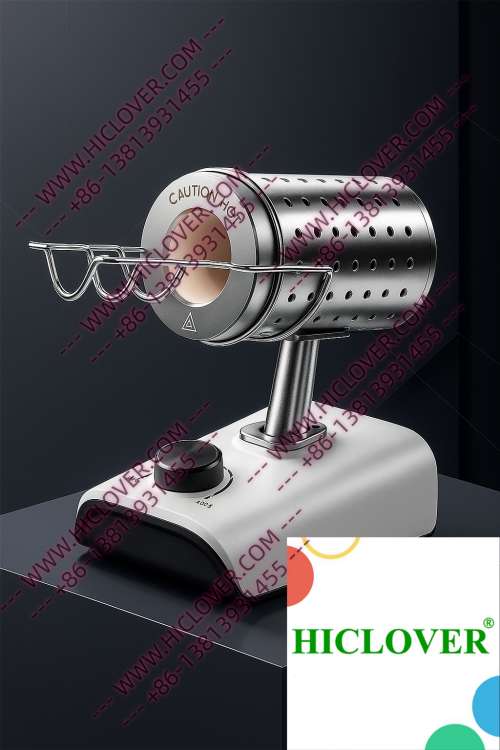
In BSL-2 biosafety cabinets, where individuals handle pathogenic microorganisms, Micro Incinerators provide a safe sterilization option for inoculating loops and other instruments. The rapid heating capabilities ensure that researchers can efficiently decontaminate tools without leaving the safe confines of the cabinet, which is essential for maintaining an sterile working environment. This minimizes risks associated with aerosol generation, a significant concern when using traditional flame sterilization methods.
Efficacy in Teaching Labs
The educational application of Micro Incinerators is equally noteworthy. In university teaching labs throughout Czech cities, students can learn appropriate sterilization techniques with reduced risk of accidents associated with flame-based methods. The straightforward operation allows instructors to focus on teaching critical microbiological skills, while the infrared sterilization promotes a hands-on learning environment aligned with modern lab safety standards.
Compliance with Biosafety Standards
As the landscape of laboratory biosafety continuously evolves, compliance with stringent standards has never been more critical. Organizations like the WHO and various national health agencies advocate for methods that limit exposure to pathogens while ensuring high sterilization efficacy. The Micro Incinerator comfortably meets these biosafety compliance benchmarks, making it a vital tool in both clinical diagnostics and research labs.
Additionally, using flame-free sterilization devices in clean rooms aligns with best practices, reducing the risk of airborne contaminants. Flame sterilizers can produce hazardous aerosols that compromise sterile environments, an issue the Micro Incinerator effectively addresses.
Micro Incinerator vs. Traditional Flame Sterilizers
| Feature | Micro Incinerator | Traditional Flame Sterilizer |
|---|---|---|
| Safety | No flame, aerosol-free | Open flame, risk of aerosol exposure |
| Speed of Operation | Seconds | Minutes |
| Portability | Highly portable | Less portable |
| Environmental Impact | Eco-friendly | Higher waste due to consumables |
| User Training | Easier for novice users | Requires more experience and caution |
Conclusion: The Future of Laboratory Sterilization
As Czech laboratories continue to face the challenges of waste accumulation and biosafety, Micro Incinerators stand out as a pivotal solution. Their efficiency, safety, and compliance with modern standards make them essential for any serious laboratory scenario—whether in clinical diagnostics, teaching labs, or mobile field-testing environments.
If you’re looking to modernize your laboratory sterilization equipment or simply wish to learn more about the Infrared Inoculating Loop Sterilizer, we invite you to reach out. Together, we can enhance the safety and effectiveness of microbiological practices in laboratories across the Czech Republic.
FAQs
Categories:
Tags: