
Laboratories are constantly faced with biosafety challenges, particularly in the realm of sterilization. The efficient management of biological waste and the prompt disinfection of instruments is of utmost importance to ensure contamination control and comply with international standards. In this context, the Micro Incinerator, specifically the Infrared Inoculating Loop Sterilizer, proves to be a game-changing tool that not only enhances sterilization workflows but also significantly reduces energy consumption.
Laboratory Sterilization Workflow Demands
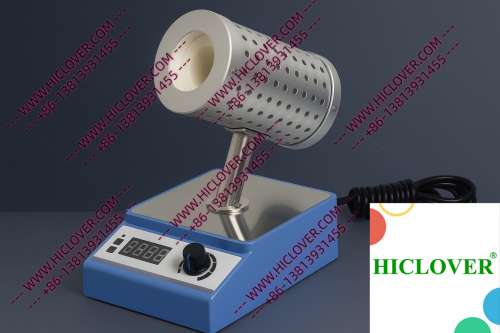
With the ever-increasing need for effective sterilization techniques in various laboratory environments—such as BSL-2 and BSL-3 microbiology labs, clinical diagnostics, and university teaching labs—traditional methods, like Bunsen burners and alcohol lamps, can fall short. These flame-based options introduce risks such as misfires, open flames in clean areas, and inefficient energy use. In contrast, Infrared Inoculating Loop Sterilizers provide a safer, cleaner solution.
Technical Principles and Product Configuration
The Micro Incinerator operated by infrared heat uses an enclosed ceramic heating chamber, making it capable of reaching high temperatures rapidly. This high-temperature disinfection is achieved without creating aerosols or compromising the integrity of the working environment. Users can achieve rapid thermal sterilization in a matter of seconds, thereby promoting higher turnover rates in sterilization tasks.
The design typically features a compact footprint, which fits easily within biosafety cabinets, allowing for sterilization while maintaining a sterile environment. Educators and researchers appreciate its efficiency in both mobile and fixed laboratory settings, enhancing laboratory safety without sacrificing functionality.
Application Scenarios in Real Labs
Biosafety Cabinets
In BSL-2 environments, where biohazardous materials are handled, the Micro Incinerator offers significant advantages. Its design minimizes the risk of explosion associated with open flames, thus complying with stringent laboratory safety standards. For microbiologists, the ability to quickly and safely sterilize inoculation loops without leaving the safety of the biosafety cabinet optimizes workflow and enhances contamination control.
Field Testing & Mobile Labs
In mobile laboratory settings, where power and safety are paramount, the Micro Incinerator demonstrates its value. For instance, in field-based research on infectious diseases, researchers can ensure the sterilization of equipment on-site, reducing the risks associated with transporting contaminated materials back to stationary laboratories. This feature not only protects personnel but also limits the risk of community exposure.
Compliance and Environmental Considerations
Adhering to biosafety compliance, including WHO standards, is critical for laboratories worldwide. The Micro Incinerator’s flame-free technology is ideal for clean rooms, reducing the risk of contamination by burning and maintaining a low particle count in the immediate environment. Laboratories are increasingly moving towards sustainable practices, and with energy-efficient operation, this sterilizer aligns well with the global push towards greener practices in laboratory management.
- Rapid thermal sterilization reduces energy consumption by over 50% compared to flame-based methods.
- No open flames promotes safety, especially in clean rooms and sensitive environments.
- Easy maintenance and lower operational costs compared to traditional sterilizers enhance overall laboratory economics.
Advantages Over Traditional Flame Sterilizers
When compared to traditional flame sterilizers, the Micro Incinerator showcases several key advantages:
| Feature | Micro Incinerator | Flame Sterilizers |
|---|---|---|
| Energy Efficiency | High energy efficiency with rapid thermal heat | Higher energy consumption |
| Safety | No open flames; suitable for cleanrooms | Open flame; risk of fires |
| Steam/Aerosol Generation | None | Potential for aerosol generation |
| Usage Efficiency | Instant heating | Requires warming time |
FAQs
What makes the Micro Incinerator suitable for BSL-2 labs?
The Micro Incinerator’s flame-free design eliminates risks associated with open flames, enhancing laboratory safety and compliance with biosafety standards.
How does infrared technology improve sterilization efficiency?
Infrared technology allows for rapid thermal sterilization, reaching high temperatures quickly, which aids in effective disinfection without introducing aerosols.
Can the Micro Incinerator be used in mobile laboratory applications?
Yes, its compact design and energy efficiency make it ideal for field testing and mobile lab setups.
Is there a risk of contamination during use?
No, the Micro Incinerator maintains a clean work environment by eliminating open flames and aerosols that could lead to contamination.
How does the Micro Incinerator contribute to sustainability in labs?
By reducing energy consumption significantly compared to traditional methods and promoting efficient waste management, the Micro Incinerator supports sustainable laboratory practices.
Conclusion
In a world where laboratory safety and environmental consciousness are increasingly crucial, the Micro Incinerator emerges as an innovative solution for sterilization. Its advanced infrared technology, combined with a user-friendly design, positions it as a preferred choice for laboratories aiming for both compliance and operational efficiency. To learn more about how the Micro Incinerator can transform your laboratory sterilization processes, please get in touch or visit our website for product inquiries.
Categories:
Tags: