
In the realm of community-centric waste management, Indian villages face numerous challenges, particularly concerning laboratory biosafety and sterilization workflows. As hospitals and local clinics contribute to biomedical waste, ensuring sanitary disposal methods becomes crucial. One innovative solution that offers both safety and environmental benefits is the Micro Incinerator, particularly the Infrared Inoculating Loop Sterilizer. This device aligns perfectly with the pressing need for effective waste management solutions in rural healthcare settings.
Understanding the Technical Principles of Micro Incinerators
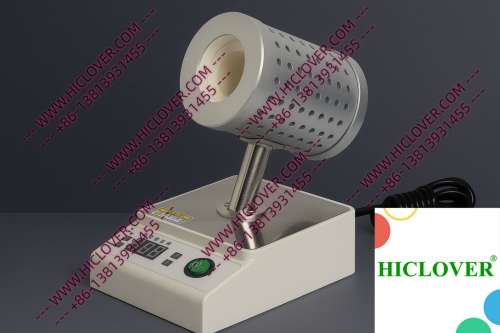
Micro Incinerators operate on the principle of rapid thermal sterilization, utilizing infrared radiation to disinfect microbially contaminated materials. These devices feature an enclosed ceramic heating chamber that allows for high-temperature disinfection without the noise and chemical hazards associated with traditional flame sterilizers, such as Bunsen burners or alcohol lamps.
- Infrared Heat: The infrared technology provides efficient heat transfer, ensuring that instruments achieve sterilization quickly.
- Enclosed Design: The enclosed ceramic tube minimizes aerosol generation, allowing for clean-bench-safe operations.
- Portability: Micro Incinerators are typically lightweight and easy to transport, making them ideal for field testing and mobile health initiatives.
Application Scenarios in Laboratory Settings
1. Biosafety Cabinets in Research Labs
Micro Incinerators are increasingly used within BSL-2 and BSL-3 microbiology labs where stringent biosafety protocols are essential. In these environments, rapid sterilization is vital. For instance, researchers can effectively sterilize inoculating loops within a biosafety cabinet, significantly reducing the risk of contamination. Furthermore, the absence of an open flame allows for a safer working environment, minimizing the chances of accidental fire incidents while handling hazardous pathogens.
2. Teaching Labs in Universities
In educational alleys, Micro Incinerators are employed in university teaching labs, where undergraduate students learn about microbiological techniques. The ease of use and quick sterilization cycle allows students to focus on hands-on practices, fostering a better understanding of laboratory work without compromising safety. The clean and efficient design helps maintain a sterile environment, enhancing learning outcomes.
Compliance with Biosafety Standards
Ensuring compliance with international biosafety and sterilization standards is key in laboratory settings. The World Health Organization (WHO) emphasizes the importance of effective waste management and sterilization in healthcare facilities to control infectious diseases. With regulations that advocate against open flames in clean environments, Micro Incinerators offer a compliant alternative, aligning with both WHO biosafety guidelines and local lab sterilization standards.
In regions like India, where healthcare infrastructure is still developing, the introduction of micro incineration technologies provides significant advantages. It not only aids in the disinfection of medical instruments but also contributes to the overarching goals of sustainable waste management at the community level.
Comparative Analysis of Micro Incinerators and Traditional Flame Sterilizers
| Feature | Micro Incinerator | Flame Sterilizer |
|---|---|---|
| Safety | Enclosed design eliminates fire hazards | Open flames pose fire risks |
| Efficiency | Rapid thermal sterilization | Time-consuming, requires attention |
| Contamination Control | Aerosol-free handling | Higher risk of aerosol contamination |
| Portability | Lightweight and mobile | Less portable, bulkier |
Frequently Asked Questions
- What is a Micro Incinerator used for?
Micro Incinerators are primarily used for the sterilization of laboratory instruments and the disposal of biomedical waste in a controlled manner. - How does infrared sterilization work?
Infrared sterilization operates by using high temperatures generated by infrared radiation to kill microorganisms quickly. - Are Micro Incinerators safe to use?
Yes, they are designed for safety, featuring an enclosed heating chamber that reduces the risk of accidents compared to traditional flame sterilizers. - Can Micro Incinerators be used in outdoor settings?
Absolutely! Their portable design makes them suitable for field testing and mobile health units. - What are the environmental benefits of using a Micro Incinerator?
They offer a clean alternative to traditional methods, helping to maintain sanitary conditions and reduce carbon emissions from open burning.
Conclusion
Micro Incinerators emerge as a transformative solution in community-centric waste management, poised to address the unique challenges faced by Indian villages in laboratory waste disposal. Their efficiency, safety, and compliance with biosafety standards present compelling advantages over traditional flame sterilizers. If you are looking to upgrade your sterilization processes or implement robust waste management strategies, consider integrating Micro Incinerators into your healthcare or educational facilities.
For more information on how our Micro Incinerator / Infrared Inoculating Loop Sterilizer can revolutionize your sterilization workflows while enhancing biosafety, please contact us today. Let’s work together to build a cleaner, safer future for our communities.
Categories:
Tags: