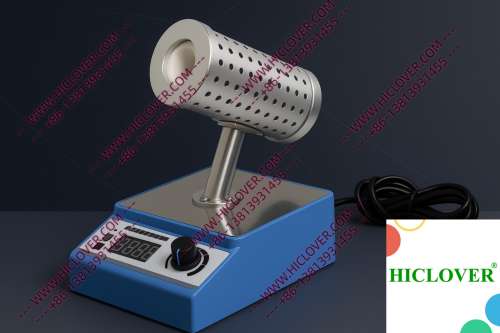
In the rapidly advancing landscape of laboratory processes, biosafety remains paramount. Laboratories, particularly those operating within the realms of microbiology, clinical diagnostics, and biotechnology, are continually challenged by effective sterilization workflows. Traditional methods such as alcohol lamps and Bunsen burners pose significant risks—not only in terms of safety but also in contamination potential. Enter the Micro Incinerator, or Infrared Inoculating Loop Sterilizer, a modern solution engineered for impeccable sterilization while adhering to stringent safety protocols.
Challenges in Laboratory Biosafety
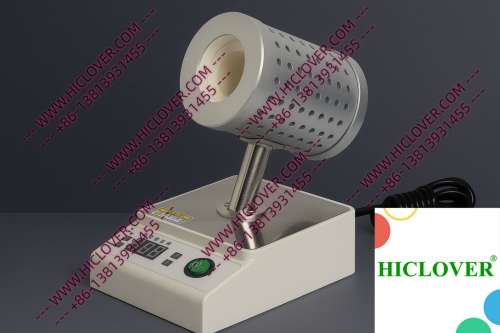
Laboratories handling pathogenic microorganisms or highly sterile procedures face unique obstacles in ensuring biosafety. Exposure to aerosols and flames during sterilization can lead to accidental contamination or, worse, laboratory-acquired infections. Moreover, burner flames can introduce particulate matter, risking the sterility of environments designated for clean operations, such as BSL-2 and BSL-3 laboratories. Thus, robust sterilization equipment that offers effective heat without flame becomes essential for laboratory safety and operational efficiency.
The Technical Edge: Infrared Heating Technology
The Micro Incinerator employs cutting-edge infrared heating technology through a specialized ceramic tube. Unlike traditional flame sterilizers, this method provides rapid thermal sterilization without the risk of fugitive emissions or environmental contamination. The enclosed heating chamber creates a high-temperature environment (up to 800°C) that efficiently denatures proteins and eliminates pathogenic microorganisms without generating hazardous aerosols.
- Rapid Thermal Sterilization: Accomplished in a matter of seconds.
- Contamination Control: Zero exposure to flame, reducing particulate contamination risks.
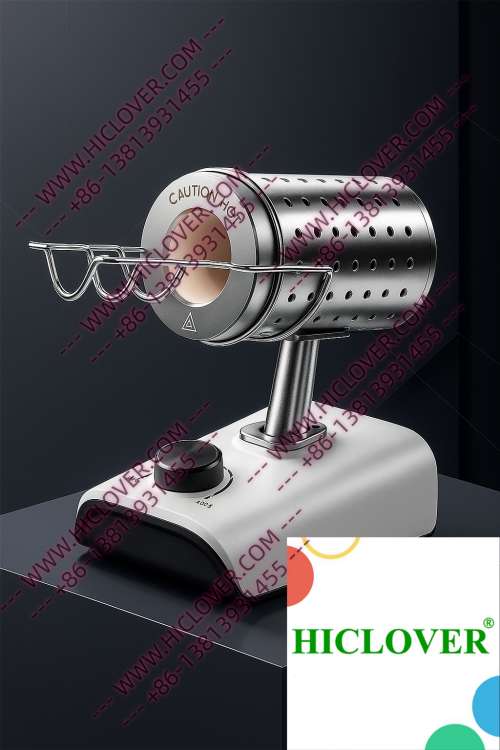
- Compact Design: Easily fits in various laboratory settings, including biosafety cabinets.
Application Scenarios in Real Laboratories
1. Biosafety Cabinet Usage
In BSL-2 laboratories, scientists are mandated to work within biosafety cabinets to mitigate risk. The compact design and aerosol-free operation of the Micro Incinerator make it the ideal tool for quickly sterilizing inoculating loops while maintaining a sterile environment. Researchers can seamlessly integrate this equipment into their workflows, performing multiple sterilizations with minimal downtime.
2. Field Testing Applications
Field testing scenarios pose unique challenges, often lacking access to traditional sterilization units. The portability of micro incinerators, combined with their efficient heat generation, enables health workers and researchers to sterilize tools on-site in a safe manner. This is a vital advantage when dealing with infectious diseases in unregulated environments, allowing for rapid response without compromising safety.
Compliance and Environmental Considerations
Adhering to WHO biosafety guidelines and laboratory sterilization standards is non-negotiable for any research institution. The Micro Incinerator not only meets but exceeds these requirements by eliminating open flames from clean rooms, thereby enhancing overall safety protocols. In environments where every bit of contamination control counts—such as university teaching labs or clinical diagnostics—the cleaner, smokeless operation of an infrared inoculating loop sterilizer proves to be an invaluable asset.
Comparison with Traditional Flame Sterilizers
| Feature | Micro Incinerator | Traditional Flame Sterilizers |
|---|---|---|
| Heat Source | Infrared | Open Flame |
| Contamination Risk | Low | High |
| Response Time | Seconds | Minutes |
| Ease of Use | High | Moderate |
| Energy Efficiency | High | Low |
FAQs on Micro Incinerators
What are the key benefits of using a Micro Incinerator in my lab?
Micro Incinerators provide rapid thermal sterilization, minimize contamination risks, and enhance laboratory workflow efficiency without the hazards associated with open flames.
Can Micro Incinerators be used in high-biosafety level laboratories?
Yes, they are designed to meet stringent biosafety compliance, making them suitable for BSL-2 and BSL-3 labs.
How long does it take to sterilize an inoculating loop with a Micro Incinerator?
The sterilization process typically takes just a few seconds, significantly reducing wait times compared to traditional methods.
Is there a risk of accidental fire when using a Micro Incinerator?
No, since it operates on infrared heating and does not generate an open flame, the risk of fire is virtually eliminated.
What maintenance is required for a Micro Incinerator?
Routine cleaning of the ceramic tube and ensuring the heating elements function properly is typically all that is needed to maintain optimal performance.
Conclusion: Elevate Your Laboratory Standards
In navigating the complexities of contemporary lab environments, the importance of advanced sterilization equipment cannot be overstated. The Micro Incinerator/Infrared Inoculating Loop Sterilizer stands out as a beacon of safety and effectiveness. By investing in sophisticated tools for sterilization, laboratories can ensure compliance with health metrics and safeguard both personnel and samples. For more information or to make a purchase that enhances your laboratory’s operational integrity, please reach out to us today!
Categories:
Tags: