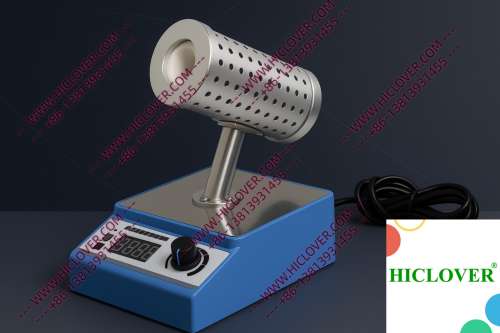
Sri Lanka faces significant challenges in effective waste management, often leading to environmental degradation and public health issues. In this context, the need for innovative solutions is critical. One such approach is the implementation of community-led projects utilizing Micro Incinerators, specifically the Infrared Inoculating Loop Sterilizer. This article delves into how these devices not only enhance laboratory sterilization workflows but also contribute to waste management efficacy in the country.
Laboratory Biosafety Challenges
In many laboratory settings, issues surrounding biosafety and contamination control are paramount. Traditional sterilization methods, such as alcohol lamps and Bunsen burners, pose several drawbacks. They often not only present fire hazards but also release aerosols that can compromise both the environment and laboratory personnel’s safety.
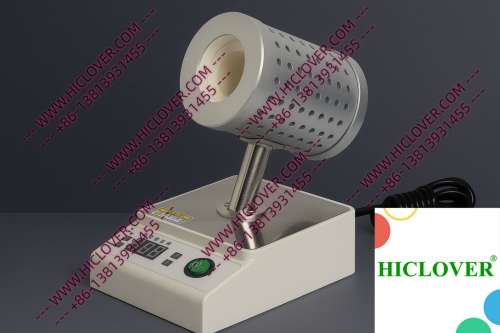
In this regard, Infrared Inoculating Loop Sterilizers present a solution that adheres to high sterilization standards without the risks associated with open flames. The adoption of this technology can ensure a safer, more effective sterilization process that aligns with global biosafety measures.
Technical Principles of Micro Incinerators
The Infrared Inoculating Loop Sterilizer operates through rapid thermal sterilization using an enclosed ceramic heating chamber. This mechanism utilizes infrared heat, which provides efficient and high-temperature disinfection without the need for flame-based systems. The heat is delivered uniformly, ensuring fast and consistent sterilization, which is crucial for executing a variety of laboratory procedures.
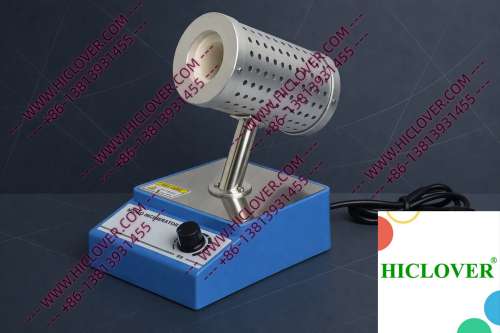
This advanced sterilizer is particularly beneficial in settings where traditional methods cannot be employed, such as clean rooms and high-biosafety laboratories, facilitating a clear workflow that reduces the potential for contamination.
Applications in Laboratory Settings
- Biosafety Cabinets: In BSL-2 or BSL-3 microbiology labs, the Micro Incinerator can be employed to sterilize inoculating loops and tools safely within the confines of a biosafety cabinet, providing a clean and controlled environment.
- Mobile Field Testing: For clinical diagnostics and field testing in rural parts of Sri Lanka, portable configurations of Micro Incinerators contribute to sanitary conditions, assisting health workers in rapidly sterilizing medical tools without the necessity of electricity or open flames.
Compliance with International Standards
Aligning with WHO biosafety and lab sterilization standards, the Micro Incinerator is designed to ensure compliance in environments that demand stringent control. Unlike traditional sterilizers that may violate cleanroom protocols due to flame usage, the infrared technology offered by Micro Incinerators is clean-bench-safe and increases laboratory efficacy.
Proper sterilization also helps in meeting the standards for educational institutions where microbiology labs are critical for training future scientists. Thus, compliance with biosafety regulations is not just a matter of legal obligation but also confidence in lab practices and results.
Comparison of Sterilization Methods
| Feature | Micro Incinerator | Traditional Flame Sterilizers |
|---|---|---|
| Method of Operation | Infrared heating | Open flames |
| Safety | Minimal risk of fire | High risk of fire and explosions |
| Particle Emission | No aerosols | Releases aerosols during operation |
| Speed of Sterilization | Rapid | Variable; often longer |
| Portability | Various portable designs available | Generally stationary |
FAQs about Micro Incinerators
- What is the main advantage of using a Micro Incinerator over traditional sterilizers?
Micro Incinerators provide rapid thermal sterilization without the safety risks associated with open flames. - Can Micro Incinerators be used in field conditions?
Yes, portable versions can be effectively utilized in mobile or field testing labs. - What are the specific safety standards met by Micro Incinerators?
The devices comply with WHO biosafety guidelines and laboratory sterilization standards. - How does the infrared technology work?
Infrared technology delivers even heat across the sterilizing surface, ensuring efficient disinfection. - Where can I use a Micro Incinerator?
They are suitable for use in biosafety cabinets, clinical diagnostics labs, and university teaching environments.
Conclusion: Embracing Innovation in Waste Management
The Micro Incinerator, particularly in the form of the Infrared Inoculating Loop Sterilizer, is not just a tool for sterilization but a transformative approach in addressing waste management dilemmas in Sri Lanka. By adopting this technology, laboratories can enhance safety, compliance, and efficiency while supporting community-led initiatives for better waste management practices. For those looking to elevate their sterilization capabilities, considering the Micro Incinerator is a step toward a more sustainable future. Contact us for inquiries or purchases and empower your laboratory with safer sterilization solutions!
Categories:
Tags: