
Laboratory environments require stringent protocols to manage biosafety challenges effectively. Standard sterilization methods often involve a variety of tools, including alcohol lamps and Bunsen burners. However, these traditional techniques can create hazardous conditions due to open flames, smoke, and potential contamination. To truly enhance sterilization workflow demands while ensuring safety and compliance, the Micro Incinerator or Infrared Inoculating Loop Sterilizer emerges as a frontrunner, promoting rapid thermal sterilization without the drawbacks of flame-based devices.
Understanding Micro Incinerators
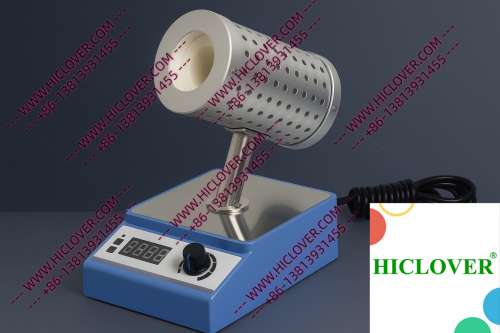
Micro Incinerators utilize infrared heat to achieve high-temperature disinfection, facilitating efficient sterilization of inoculating loops, needles, and other small laboratory instruments. The pivotal feature of this device is its enclosed ceramic tube, which generates heat quickly and evenly. With the ability to reach temperatures exceeding 800°C in mere seconds, the risks associated with aerosol generation and contamination are significantly minimized, making it an ideal solution for sensitive environments like BSL-2 and BSL-3 microbiology labs.
Technical Principles and Design
The design of a Micro Incinerator features a high-performance ceramic heating chamber that radiates infrared heat. This allows for controlled sterilization processes while preventing the release of harmful emissions or odors, a common concern with traditional flame sterilizers. Unlike alcohol lamps which can leave residues or fumes, an infrared sterilizer operates efficiently without risk. When placed in a clean bench or sterilization cabinet, it operates to maintain sterility, making it a preferred choice for clinical diagnostics and teaching labs.
Applications in Real Laboratories
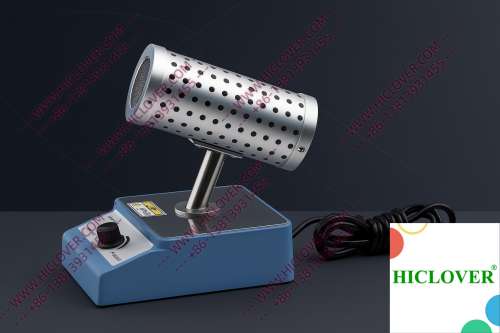
Micro Incinerators find versatility across various laboratory settings. Here are two significant application scenarios:
- Biosafety Cabinets: In a BSL-2 or BSL-3 laboratory, maintaining a sterile environment is crucial. Micro Incinerators are utilized for rapid sterilization of inoculating loops while ensuring no open flames compromise the sterilization area.
- Field Testing Labs: Mobile laboratories encounter unique challenges where portable, efficient sterilization is necessary. Infrared sterilizers offer a reliable solution, allowing safe sterilization in diverse environments without the risk of sparks or fire hazards.
Compliance and Environmental Safety
When addressing laboratory sterilization standards, adherence to guidelines from the World Health Organization (WHO) and local regulatory bodies becomes essential. Micro Incinerators align with these standards by:
- Reducing contamination risks through aerosol-free handling.
- Eliminating the need for flame-based techniques in clean rooms and sensitive environments.
- Offering a safer alternative that meets biosafety requirements for both clinical and research facilities.
Compliance remains a criterion particularly relevant in cities like Tokyo, where laboratory safety regulations are stringent. The use of compact and odor-free Micro Incinerators guarantees that facilities adhere to local and international standards while improving overall operational safety.
Micro Incinerator vs. Traditional Flame Sterilizers
| Feature | Micro Incinerator | Traditional Flame Sterilizers |
|---|---|---|
| Safety | Odor-free, no open flames | Open flame, more hazardous |
| Efficiency | Instant high temperature | Requires longer preheat time |
| Contamination Control | Aerosol-free and enclosed | Can produce aerosols and residues |
| Size | Compact and portable | Generally bulkier |
Frequently Asked Questions
1. How long does it take for the Micro Incinerator to reach sterilization temperature?
The Micro Incinerator can achieve sterilization temperatures in just a few seconds, providing rapid thermal sterilization unmatched by traditional methods.
2. Can Micro Incinerators be used in any laboratory setting?
Yes, they are suitable for various settings including BSL-2, BSL-3 labs, teaching labs, and even mobile field testing labs.
3. Are there special considerations for using it in a cleanroom environment?
The Micro Incinerator is designed to operate without open flames, complying with cleanroom requirements while providing effective sterilization.
4. What materials can be sterilized using a Micro Incinerator?
The device is effective for sterilizing inoculating loops, needles, and other small laboratory instruments that fit within its ceramic chamber.
5. How does the Micro Incinerator compare to other sterilization methods?
Compared to flame-based methods, it offers enhanced safety, efficiency, and compliance with biosafety standards, making it a preferred sterilization choice.
In Summary
The implications of employing a Micro Incinerator or Infrared Inoculating Loop Sterilizer extend beyond mere sterilization; they encompass safety, compliance, and workflow efficiency. These vital laboratory instruments not only mitigate the risks associated with traditional flame sterilizers but also elevate the standards of cleanliness and operational effectiveness within the lab environment.
If you’re ready to enhance your laboratory’s sterilization processes while embracing safety and efficiency, consider adding a Micro Incinerator to your equipment lineup. For inquiries, product specifications, or to discuss your needs, don’t hesitate to contact us today.
Categories:
Tags: