
In modern laboratory environments, the challenges of maintaining biosafety and contamination control have never been more critical. Traditional methods such as alcohol lamps and Bunsen burners can pose significant risks and inefficiencies in sterilization workflows. For institutions located in urban areas where space is at a premium, the need for compact, efficient, and safe sterilization equipment like the Micro Incinerator or Infrared Inoculating Loop Sterilizer has become increasingly apparent.
Understanding Micro Incinerators: How They Work
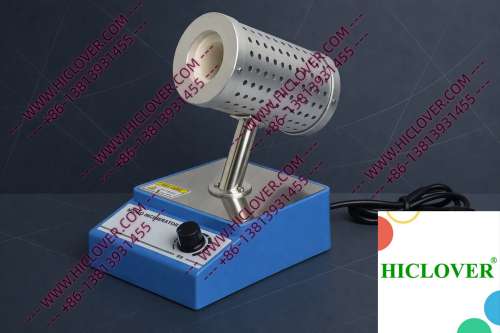
The core functionality of Micro Incinerators relies on advanced infrared technology that allows for rapid thermal sterilization. The design typically includes a ceramic heating chamber that delivers high-temperature disinfection without the use of open flames. This infrared heat is contained within an enclosed structure, which minimizes heat loss and focuses energy where it’s needed most.
This type of sterilizer is plug-and-play, meaning it can be easily set up and utilized in various laboratory settings without extensive modification or installation. The straightforward design not only enhances usability but also promotes safety, making it ideal for environments where clean-bench-safe operations are essential.
Applications in Real Laboratories
1. Biosafety Cabinets
Within BSL-2 and BSL-3 microbiology labs, the Micro Incinerator has gained traction due to its ability to effectively sterilize inoculating loops and other laboratory tools. Its compact size allows it to fit seamlessly within biosafety cabinets, providing a focused area for sterilization without risking contamination. Operating the Micro Incinerator in this context helps maintain sterile conditions, which is crucial when handling pathogenic microorganisms.
2. Field Testing and Mobile Labs
For researchers involved in field testing or operations within remote locations, the portability and efficiency of the Micro Incinerator make it an ideal companion. Easy to transport, this sterilizer allows for immediate sterilization before and after sample collection, thus eliminating the risk of cross-contamination. The compact design ensures that teams can maintain high standards of biosecurity even in challenging environments.
Compliance with Laboratory Standards
Many laboratories must adhere to strict guidelines set forth by organizations such as the World Health Organization (WHO) regarding biosafety and sterilization. Compliance with these standards is paramount in preventing biohazard risks, especially in cleanroom situations where open flames cannot be used. The Micro Incinerator meets these requirements by eliminating flame-related hazards while ensuring sterilization processes align with international protocols.
Additionally, utilizing a Micro Incinerator enhances compliance with local regulations pertaining to waste disposal in cities like New York or London, where standard waste management protocols exist to prevent environmental contamination.
Micro Incinerators vs. Traditional Flame Sterilizers
| Feature | Micro Incinerator | Traditional Flame Sterilizers |
|---|---|---|
| Operation | Infrared heat, rapid thermal sterilization | Open flame |
| Safety | Enclosed design, no open flames | Risk of fire hazards |
| Portability | Compact and easily transportable | Typically larger and less portable |
| Efficiency | Rapid heating and cooling cycle | Slow to heat and cool |
| Aerosol Management | Aerosol-free handling | Risk of aerosol generation |
Benefits of Using Micro Incinerators
- Compact Design: Fits easily into small laboratory spaces.
- Enhanced Safety: No open flame reduces the risk of fire.
- Eco-Friendly: Generates minimal waste and can be used in compliance with environmental standards.
- Versatile Application: Suitable for various laboratory environments, including teaching labs and clinical diagnostics.
- Rapid Sterilization: Saves time while providing effective sterilization, improving laboratory workflows.
Frequently Asked Questions
What materials can be sterilized using a Micro Incinerator?
The Micro Incinerator is designed to sterilize metal tools such as inoculating loops, needles, and other equipment used in microbiology labs.
Can a Micro Incinerator be used in educational settings?
Absolutely! It is perfectly suited for university teaching labs where safe and rapid sterilization is key for student learning and compliance with lab protocols.
How does the Micro Incinerator comply with biosafety standards?
By utilizing infrared technology and an enclosed heating chamber, the Micro Incinerator adheres to WHO biosafety standards by minimizing contamination risks associated with open flames.
Is the Micro Incinerator easy to maintain?
Yes, it requires minimal maintenance compared to traditional flame sterilizers, allowing for a hassle-free user experience.
What power requirements does a Micro Incinerator have?
Most models operate on standard electrical outlets, making them easy to integrate into any laboratory setting.
Conclusion
As laboratories face escalating challenges in biosafety and contamination control, the advantages of compact and efficient plug-and-play micro incinerators cannot be overstated. By transitioning to advanced sterilization equipment like the Micro Incinerator or Infrared Inoculating Loop Sterilizer, institutions can enhance their workflow while ensuring compliance with essential safety standards. For those informed buyers looking to improve their laboratory sterilization processes, we invite you to explore our range of Micro Incinerators and see the difference they can make in your operations.
Categories:
Tags: