
In the world of laboratory operations, maintaining high standards of biosafety and cleanliness is paramount. As laboratories face mounting challenges in contamination control and sterilization workflows, innovative solutions have emerged to meet these demands. One such advancement is the Micro Incinerator, or Infrared Inoculating Loop Sterilizer—a device designed to enhance sterilization processes while ensuring the safety of users and the surrounding environment.
Laboratory Biosafety Challenges
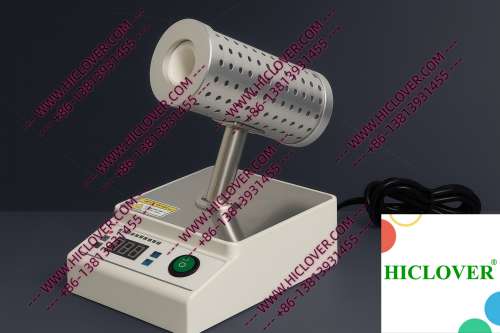
In various settings, including BSL-2 and BSL-3 microbiology labs, the risk of contamination can derail experiments and jeopardize researcher safety. Traditional sterilization methods, such as alcohol lamps and Bunsen burners, introduce flames into sterile areas, increasing the risk of fire hazards and aerosol production. With the pressing need for safer, cleaner sterilization methods, the Micro Incinerator stands out as a reliable solution. This equipment delivers rapid thermal sterilization without the use of an open flame, paving the way for enhanced biosafety protocols.
Technical Principles Behind the Micro Incinerator
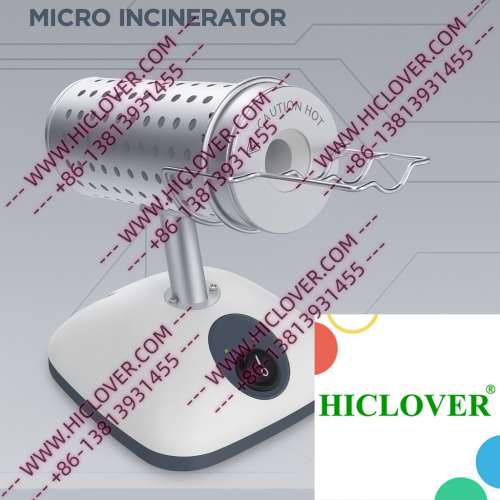
The Micro Incinerator operates through the principle of infrared heat, leveraging an enclosed ceramic tube to deliver high-temperature disinfection. When the device is activated, thermal energy is uniformly distributed within the ceramic chamber, allowing for rapid heating that effectively sterilizes inoculating loops, needles, and other lab tools within seconds. This method not only reduces the time required for sterilization but also minimizes the risk of cross-contamination, making it an ideal choice for clean-bench-safe environments.
Additionally, the compact design of the Micro Incinerator makes it convenient for various laboratory setups, including mobile or field testing labs, where portability is crucial.
Application Scenarios
1. Biosafety Cabinets
In highly sterile environments such as biosafety cabinets, maintaining a contamination-free workspace is essential. The Micro Incinerator can be stationed within the cabinet to provide an effective sterilization solution for inoculating loops, minimizing exposure to pathogens while ensuring that tools are readily sterilized on demand. This incorporation enhances workflow efficiency and safety, as researchers can focus on their experiments without the distraction of potential contaminants.
2. Teaching Laboratories
In academic settings, such as university teaching labs, students must learn proper sterilization techniques to uphold lab safety protocols. The Micro Incinerator offers an ideal teaching tool, demonstrating advanced sterile practices without the inherent risks associated with flame-based sterilization methods. Its user-friendly design and clear operational features enable students to understand sterilization principles while promoting safer laboratory environments.
Compliance and Environmental Considerations
Compliance with international biosafety standards, such as those set by the WHO, is crucial for laboratories. Adopting devices like the Micro Incinerator helps labs fulfill sterilization standards without compromising safety. Traditional flame sterilizers can create aerosols during the sterilization process, posing risks in clean room environments. The Micro Incinerator’s flameless design mitigates these issues, making it a preferred choice for labs aiming to maintain cleanroom integrity.
Furthermore, by minimizing the need for chemical sterilization agents, the Micro Incinerator contributes to environmental sustainability—addressing the global waste crisis by reducing harmful waste from traditional sterilization methods.
Benefits of the Micro Incinerator Over Traditional Flame Sterilizers
- Rapid thermal sterilization without flames
- Enclosed ceramic heating chamber reduces contamination risks
- No aerosol generation, making it clean-bench-safe
- Compact and portable design for versatility
- Highly efficient sterilization process with instant readiness
Comparison Table: Micro Incinerator vs. Flame Burners
| Feature | Micro Incinerator | Flame Burners |
|---|---|---|
| Safety | Flameless operation | Open flame |
| Contamination Control | Sealed ceramic chamber | Aerosol generation risk |
| Portability | Compact design | Less portable |
| Heat Source | Infrared | Combustion flame |
| Operating Time | Instant heating | Longer warm-up time |
Frequently Asked Questions (FAQs)
What is the operational temperature of the Micro Incinerator?
The Micro Incinerator can reach high temperatures that exceed 800°C, ensuring effective sterilization within seconds.
Is the Micro Incinerator suitable for field testing labs?
Yes, its compact and portable design makes it an excellent choice for field testing labs where mobility is required.
How does the Micro Incinerator comply with international biosafety standards?
Its flameless operation and reduced aerosol production align with WHO biosafety recommendations, ensuring compliance in sterile environments.
Can the Micro Incinerator be used in cleanrooms?
Absolutely! Its design minimizes contamination risks, making it suitable for cleanroom applications.
What materials can be sterilized using the Micro Incinerator?
The Micro Incinerator is capable of sterilizing inoculating loops, needles, and other small lab instruments that fit within its ceramic chamber.
Conclusion: A Forward-Looking Solution
As laboratories worldwide continue to navigate the complexities of biosafety and sterilization, the Micro Incinerator/Infrared Inoculating Loop Sterilizer emerges as a forward-looking solution that meets modern needs. By integrating advanced technology into everyday laboratory practices, this device significantly enhances safety and efficiency.
If you’re looking to upgrade your laboratory sterilization equipment, consider investing in a Micro Incinerator. Please contact us for more information or to make a purchase, and help empower your lab to tackle the global waste crisis with cutting-edge technology.
Categories:
Tags: