
In the fast-paced world of scientific research and clinical diagnostics, laboratory biosafety challenges are ever-present. As laboratories strive to maintain high standards for contamination control, the need for efficient and effective sterilization tools becomes critical. Among these tools, micro incinerators, particularly the Infrared Inoculating Loop Sterilizer, emerge as a compact yet powerful solution for ensuring sterilization workflow demands are met.
Understanding Micro Incinerators and Their Technical Principles
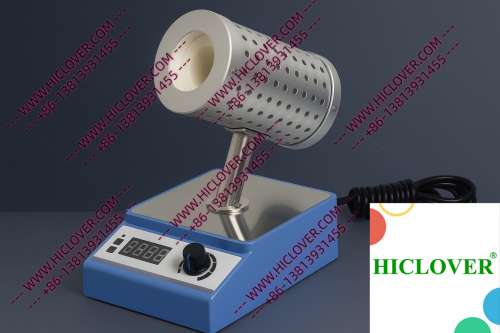
Micro incinerators utilize rapid thermal sterilization techniques that enhance laboratory operations. By employing infrared heat within an enclosed ceramic tube, these devices enable effective sterilization without the risk of open flames typically associated with traditional burners. The ceramic heating chamber reaches high temperatures quickly, ensuring that inoculating loops and other lab implements are disinfected within seconds.
The absence of flames and reduced energy consumption make micro incinerators an ideal choice for laboratories operating under strict biosafety protocols. Their ability to produce consistent, high-temperature disinfection while minimizing aerosol generation is vital, particularly in sensitive laboratory environments such as Biosafety Level 2 (BSL-2) and BSL-3 facilities.
Application Scenarios in Real Labs
1. Biosafety Cabinets
In many labs, particularly those that conduct microbiological research, biosafety cabinets are essential. The presence of a micro incinerator within a biosafety cabinet allows researchers to sterilize inoculating loops on-the-spot without compromising the sterile environment. This in-place heating minimizes potential contamination, enhancing both laboratory safety and workflow efficiency.
2. Teaching Laboratories
University teaching labs frequently require effective sterilization tools for training purposes. Micro incinerators provide an excellent teaching aid, allowing students to witness safe and efficient sterilization processes in action. These devices not only demonstrate proper laboratory practices but also help instill deep-seated respect for biosafety principles in the next generation of scientists.
Compliance and Environmental Considerations
Adhering to laboratory sterilization standards is non-negotiable for any reputable research project. The World Health Organization (WHO) emphasizes stringent biosafety measures to prevent contamination and potential spread of infectious agents. Micro incinerators significantly contribute to this objective by complying with international guidelines for sterilization while maintaining safety protocols.
Additionally, micro incinerators are ideal for cleanroom environments where the presence of flame-based sterilizers can pose a risk. Their compact design and efficient thermal disinfection capabilities make them clean-bench-safe, aligning with modern laboratory needs where minimizing human error and environmental contamination is critical.
Comparative Analysis: Micro Incinerator vs. Traditional Flame Sterilizers
| Features | Micro Incinerator | Traditional Flame Sterilizers |
|---|---|---|
| Efficiency | Rapid thermal sterilization | Requires time to ignite and stabilize |
| Safety | No flames; aerosol-free | Open flame risk; potential for aerosol generation |
| Temperature Control | Instant and consistent | Variable, depending on user technique |
| Size and Portability | Compact and easy to transport | Often bulkier and less portable |
Frequently Asked Questions about Micro Incinerators
- What types of labs benefit from using a micro incinerator?
Micro incinerators are excellent in BSL-2 and BSL-3 microbiology labs, clinical diagnostics, and university teaching laboratories. - How does the micro incinerator improve laboratory sterilization workflows?
The rapid thermal sterilization capability drastically reduces the time between inoculations, ensuring samples are prepared more efficiently. - Are micro incinerators compliant with WHO biosafety standards?
Yes, they comply with WHO and other international standards for sterile laboratory practices, making them a safe option for laboratories. - Can micro incinerators be used in field testing?
Yes, their compactness and lightweight design make them suitable for mobile lab setups and field-testing applications. - How do micro incinerators contribute to safety in cleanroom environments?
They eliminate the risk of flames and aerosol generation, thus maintaining the sterile atmosphere required in cleanrooms.
Conclusion
The integration of micro incinerators such as the Infrared Inoculating Loop Sterilizer into laboratory sterilization workflows offers distinct advantages over traditional flame sterilizers. Their unparalleled efficiency, portability, and compliance with biosafety standards position them as essential tools for modern laboratories. Investing in a micro incinerator not only streamlines sterilization processes but also enhances overall laboratory safety and productivity.
If you’re interested in upgrading your laboratory equipment, don’t hesitate to reach out. Our team is ready to assist you in selecting the perfect micro incinerator that suits your laboratory’s needs.
Categories:
Tags: