
Laboratories face continual challenges in maintaining biosafety and sterilization standards. From BSL-2 and BSL-3 microbiology environments to educational institutions, the demand for effective sterilization workflows has never been greater. With increasing concerns over contamination control and the need for compliant processes, the introduction of compact sterilization solutions such as the Micro Incinerator or Infrared Inoculating Loop Sterilizer has revolutionized how laboratories approach sterilization.
Understanding the Micro Incinerator Technology
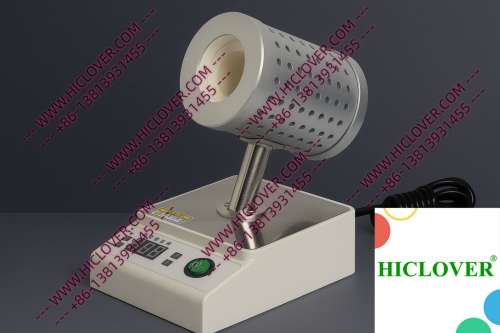
The Micro Incinerator operates at an impressive 950°C, utilizing advanced infrared heating technology. Unlike traditional methods that rely on open flames, this device features an enclosed ceramic tube that promotes rapid thermal sterilization, ensuring that contaminants are efficiently destroyed in mere seconds. This technology not only enhances safety but also provides a clean-bench-safe handling environment, minimizing aerosol risks during operations.
With thermal disinfection that leaves no residual contamination, the Micro Incinerator stands as a reliable solution for labs that prioritize precision and safety. Its compact design makes it an ideal fit for diverse lab environments, from clinical diagnostics to university teaching labs.
Applications of Micro Incinerator in Real Laboratories
Biosafety Cabinet Operations
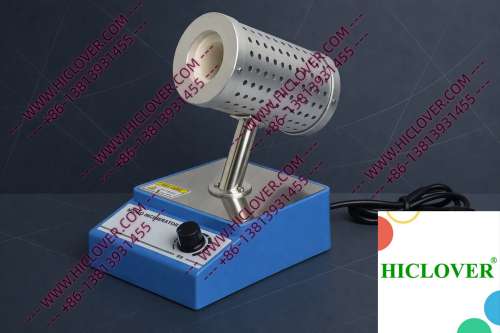
In a typical BSL-2 biosafety cabinet, researchers often encounter challenges with flame-based sterilizers, such as Bunsen burners. The Micro Incinerator serves as an outstanding alternative, providing instant sterilization of inoculating loops and other equipment without the hazards associated with flames. Utilizing the Micro Incinerator within biosafety cabinets enhances the containment and eliminates the risk of fire or toxic gas byproducts, ensuring a safer laboratory environment.
Field Testing Laboratories
Mobile and field testing labs, often located in remote or variable environments, highly benefit from the Micro Incinerator’s portability and efficiency. These labs require efficient sterilization solutions that can handle a variety of samples under diverse conditions. In field scenarios where maintaining sterility is critical, the Micro Incinerator simplifies the sterilization process, reducing the time spent on contamination control, while supporting compliance with WHO biosafety standards even in challenging conditions.
Compliance and Environmental Considerations
Adhering to laboratory sterilization standards is fundamental for maintaining biosafety. Traditional flame sterilizers may pose risks in clean rooms by introducing fire hazards and toxic fumes. The Micro Incinerator alleviates these concerns by offering a flame-free sterilization method that aligns with strict laboratory compliance standards. For instance, it meets industry standards such as:
- ISO 9001 for quality management systems
- WHO biosafety regulations
- U.S. Centers for Disease Control and Prevention (CDC) guidelines
Furthermore, with a design that minimizes environmental impact, the Micro Incinerator is a responsible choice for laboratories aiming to reduce their ecological footprint while adhering to sterility protocols.
Technical Specifications and Features
The Micro Incinerator includes essential features that enhance its usability and effectiveness:
- Rapid Heating: Reaches temperatures of 950°C in a fraction of a minute.
- Compact Design: Ideal for space-limited environments without sacrificing performance.
- Ceramic Heating Chamber: Ensures effective and safe incubation of tools with no risk of open flames.
- Aerosis-free Handling: Maintains a sterile work environment and ensures effective contamination control.
Comparative Analysis: Micro Incinerator vs. Traditional Flame Burners
| Feature | Micro Incinerator | Traditional Flame Burners |
|---|---|---|
| Temperature Control | 950°C precision | Variable and uncontrolled |
| Safety | Flame-free operation | Fire hazards present |
| Contamination Control | High efficiency | Potential for flame residues |
| Portability | Compact and lightweight | Bulky and less manageable |
FAQs about the Micro Incinerator
1. How does the Micro Incinerator enhance biosafety in laboratories?
The Micro Incinerator enhances biosafety by providing flame-free sterilization, effectively destroying contaminants without the risk of fire or toxic emissions.
2. Can the Micro Incinerator be used in field testing scenarios?
Yes, the compact design and rapid sterilization capabilities make it an excellent choice for mobile field testing applications.
3. How does the maintenance of a Micro Incinerator compare to traditional sterilizers?
Maintenance is minimal due to the durable design of the ceramic heating chamber, reducing downtime and increasing efficiency compared to traditional burners.
4. What are the energy consumption differences between the Micro Incinerator and flame burners?
The Micro Incinerator uses energy more efficiently due to its rapid heating capabilities, while flame burners can consume more energy without delivering consistent results.
5. What is the average lifespan of a Micro Incinerator?
With proper care, a Micro Incinerator can have a significantly longer lifespan compared to traditional flame sterilizers due to its robust and reliable construction.
Conclusion
In conclusion, the Micro Incinerator is not just a sterilization tool; it represents a strategic advance in laboratory safety, efficiency, and compliance. Its unique design and operational principles ensure that laboratories can meet their sterilization needs without the adverse effects associated with traditional flame sterilizers. For those seeking to enhance their lab environments—whether it’s a university teaching lab or a clinical diagnostics facility—the Micro Incinerator is an indispensable asset. Contact us today to explore how our Micro Incinerator solutions can meet your laboratory demands.
Categories:
Tags: