
In the field of laboratory biosafety, effective sterilization techniques are paramount. As labs strive to maintain contamination control in an increasingly complex environment, the choice between electric and gas sterilization heaters becomes critical. Understanding these technologies can significantly improve workflow efficiency, protect staff from hazardous aerosols, and comply with stringent biosafety regulations.
The Basics of Infrared Sterilization Technology
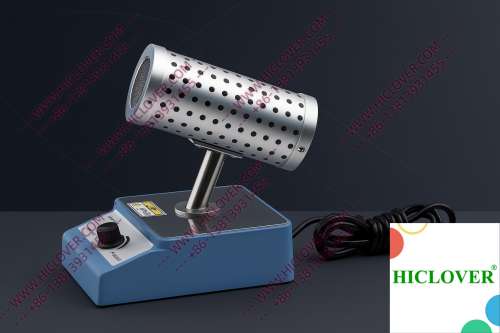
Electric sterilization heaters, particularly infrared inoculating loop sterilizers, have emerged as a leading solution for laboratories that prioritize rapid thermal sterilization. These devices utilize infrared heat generated by a ceramic heating chamber, resulting in high-temperature disinfection without the hazards associated with open flames. In contrast, traditional gas-based systems, such as Bunsen burners or alcohol lamps, risk producing aerosols and require constant vigilance to ensure safety.
Key Features of Infrared Inoculating Loop Sterilizers
- Rapid Heating: Infrared sterilizers heat up quickly, enabling immediate use without waiting for a flame to ignite.
- Aerosol-free Handling: The enclosed design prevents the spread of infectious particles, making it suitable for cleanroom environments.
- Adjustable Temperature Settings: Users can customize the heat level for their specific sterility requirements.
- Low Energy Consumption: Electric models are often more energy-efficient than traditional gas burners.
- Minimal Maintenance: With fewer parts and no need for gas supply, upkeep is simplified.
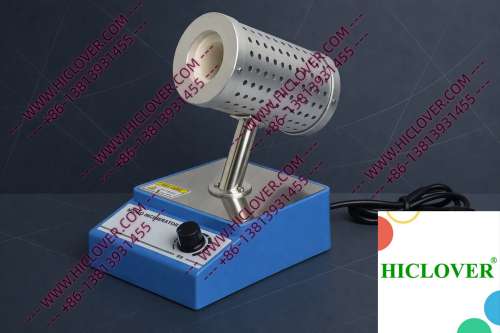
Practical Applications of Infrared Sterilizers in Laboratories
Consider two distinct laboratory scenarios where the advantages of infrared inoculating loop sterilizers are clearly evident:
1. Biosafety Cabinets in Research Laboratories
In BSL-2 and BSL-3 labs, strict adherence to biosafety protocols is crucial. Within a biosafety cabinet, the use of an infrared sterilizer ensures that the workspace remains uncontaminated. Researchers can sterilize loop tools instantly, minimizing the risk of cross-contamination during the manipulation of pathogenic microorganisms. This containment method aligns perfectly with the requirements of the WHO’s biosafety guidelines, promoting a safe working environment.
2. University Teaching Labs
In educational settings, safety is as essential as learning. Incorporating infrared sterilizers in teaching labs not only adheres to safety standards but also enhances the learning experience. Students can focus on practical skills without the constant worry of handling flames. This greatly reduces the potential for accidents, particularly in large labs where multiple experiments occur simultaneously.
Biosafety Compliance and Environmental Considerations
Compliance with global health and safety standards is essential in laboratory operations. The WHO’s biosafety guidelines emphasize the importance of sterilization techniques that do not compromise laboratory integrity. Open flames present hazards like contamination and combustion by-products, which are particularly concerning in environments such as clean rooms or CO₂ incubators.
Electric heaters, especially infrared devices, fulfill these biosafety standards by providing clean, efficient, and flame-free operations. They minimize risks associated with volatile substances while delivering consistent sterilization performance. By choosing electric over gas, laboratories can ensure compliance while promoting an environmentally responsible approach to laboratory safety.
Comparison Table: Micro Incinerator vs. Flame Burners
| Feature | Micro Incinerator | Flame Burners |
|---|---|---|
| Aerosol Production | No | Yes |
| Heat Source | Electric Infrared | Open Flame |
| Heating Time | Instant | Variable |
| Energy Efficiency | High | Low |
| Maintenance | Low | High |
Frequently Asked Questions
What are the main benefits of using infrared sterilizers over traditional gas burners?
Answer: Infrared sterilizers eliminate the risk of aerosol contamination, provide rapid heating, require less maintenance, and operate with energy efficiency.
How does an infrared inoculating loop sterilizer work?
Answer: It utilizes infrared heat emitted from a ceramic heating chamber to achieve high temperatures for rapid and effective sterilization.
Are infrared sterilizers compliant with WHO biosafety standards?
Answer: Yes, they comply with biosafety standards as their design ensures minimal contamination risk and eliminates open flames.
Where can infrared sterilizers be used aside from laboratories?
Answer: They can also be effective in educational institutions, field testing labs, and any environment requiring robust sterilization solutions without flame hazards.
What is the lifespan of an infrared inoculating loop sterilizer?
Answer: With proper use and maintenance, these sterilizers can last several years, significantly longer than traditional flame options.
Conclusion
In conclusion, transitioning to infrared inoculating loop sterilizers provides laboratories with a more efficient and safer alternative to traditional gas-based sterilization methods. By investing in advanced sterilization technology, laboratories enhance workflow efficiency, comply with biosafety standards, and create a secure environment for their personnel. For inquiries about our range of laboratory sterilization solutions, including the Micro Incinerator and Infrared Inoculating Loop Sterilizer, feel free to reach out and revolutionize your lab’s sterilization methods.
Categories:
Tags: