
In the ever-evolving landscape of laboratory biosafety, ensuring the highest standards of sterilization is paramount. Laboratories face a multitude of challenges, from controlling contamination in biosafety cabinets to maintaining compliance with strict sterilization protocols. Among the popular methods for sterilizing laboratory equipment, steam and dry heat sterilization stand out. This article delves into the specific advantages of dry heat sterilization, particularly focusing on the Micro Incinerator or Infrared Inoculating Loop Sterilizer, ideal for both field testing and educational laboratories.
Understanding the Principles of Dry Heat Sterilization
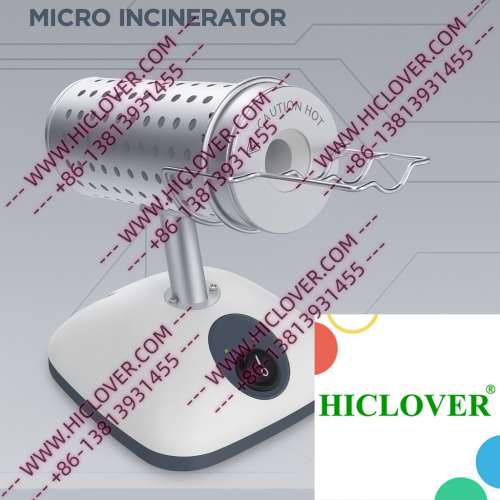
Dry heat sterilization involves the use of hot air that is circulated within a chamber to achieve the required temperature for sterilization. Unlike steam sterilization, which relies on moisture to reach sterilization temperatures, dry heat sterilization employs rapid thermal sterilization principles. This method utilizes an enclosed ceramic tube that focuses infrared heat directly onto the tool being sterilized, allowing for effective disinfection without generating aerosols.
Technical Features of the Micro Incinerator
The Micro Incinerator, also known as an Infrared Inoculating Loop Sterilizer, exemplifies advanced dry heat sterilization technology. It features:
- Ceramic Heating Chamber: Ensures even distribution of heat for effective sterilization.
- Instantaneous Heating: Achieves temperatures above 800°C rapidly, making it efficient for immediate use.
- Portability: Compact and lightweight design facilitates easy transport between different lab settings.
- Clean-Bench-Safe Operation: Eliminates the risk of flames, thereby maintaining sterile workspaces.
Application Scenarios in Real Labs
Biosafety Cabinet Operations
In BSL-2 or BSL-3 microbiology labs, researchers often work with pathogens that require stringent contamination control measures. The use of a Micro Incinerator within a biosafety cabinet enhances worker safety while ensuring rapid tool sterilization. When a researcher finishes with inoculating loops, they can easily insert them into the Micro Incinerator, achieving rapid, high-temperature disinfection without the risk of flame-related accidents.
Field Testing Applications
Field testing labs, particularly those focusing on mobile diagnostics, require high-efficiency sterilization methods that can be executed on-site. The Micro Incinerator is battery-operated, making it perfect for remote environments. While collecting environmental samples, researchers can prolong the usability of their inoculating tools by quickly sterilizing them using infrared technology, all while minimizing safety risks associated with traditional flame methods.
Compliance and Environment Considerations
Compliance with global biosafety standards is critical for laboratories handling infectious diseases. The World Health Organization (WHO) mandates strict guidelines to ensure laboratories maintain a contamination-free environment. Similarly, institutions must adhere to lab sterilization standards, including those that prohibit flammable materials in clean rooms. The Micro Incinerator serves as an ideal solution, delivering effective sterilization without the hazards posed by flames, which can compromise sterile conditions.
Regional Standards
In cities like Tokyo, London, and New York, regulatory bodies oversee lab safety standards, ensuring that all sterilization equipment meets local requirements. By utilizing advanced sterilization tools such as the Micro Incinerator, lab technicians can easily comply with these stringent regulations.
Frequently Asked Questions
What is the primary advantage of using a Micro Incinerator over traditional flame sterilizers?
The primary advantage is the elimination of open flames, which reduces the risk of fire hazards and contamination, making the Micro Incinerator a safer option for sterile environments.
How quickly can the Micro Incinerator sterilize tools?
The Micro Incinerator can reach sterilization temperatures above 800°C in a matter of seconds, allowing for rapid and efficient sterilization of inoculating tools.
Is the Micro Incinerator suitable for teaching laboratories?
Yes, the Micro Incinerator is ideal for university teaching labs, providing a safe and effective means of demonstrating sterilization techniques without the risks associated with traditional flame heating methods.
Can field testing labs benefit from using a Micro Incinerator?
Absolutely. Its portable design and battery operation make it perfect for field testing labs, where quick and reliable sterilization is essential for accurate results.
How does the Micro Incinerator ensure compliance with safety standards?
Its design eliminates flames, aligning perfectly with clean room requirements and WHO biosafety guidelines to ensure that labs can maintain sterile protocols.
Conclusion
As laboratories continue to seek methods that enhance biosafety and streamline sterilization workflows, the advantages of dry heat sterilization become increasingly clear. The Micro Incinerator stands out with its superior technology and safety features, making it an essential tool for contemporary laboratory setups. For institutions aiming to elevate their sterilization protocols, investing in a Micro Incinerator not only ensures compliance with global standards but also enhances overall operational efficiency. If you’re ready to upgrade your laboratory equipment with cutting-edge sterilization solutions, contact us today for more information!
Categories:
Tags: