
When it comes to laboratory biosafety, the critical challenge of maintaining a sterile environment cannot be overstated. Traditional methods of sterilization, such as Bunsen burners and alcohol lamps, have long been standard in many labs. However, they pose risks in terms of contamination and safety. As laboratory workflow demands evolve, alternatives like the Micro Incinerator, also known as the Infrared Inoculating Loop Sterilizer, gain attention as an efficient solution.
The Technical Principle Behind Low Smoke Sterilizer Heaters
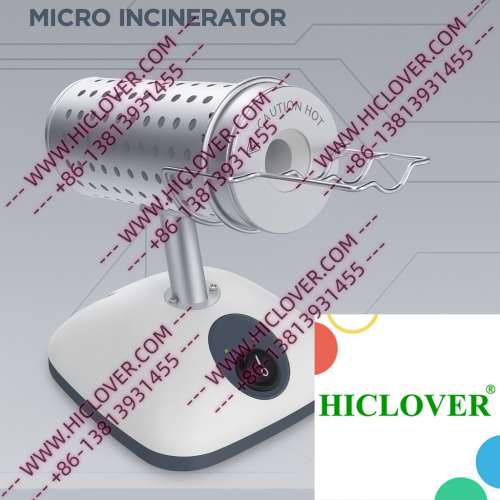
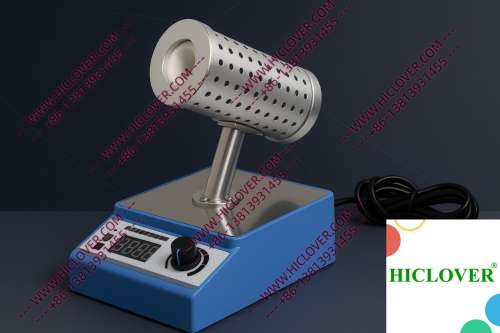
Low smoke sterilizer heaters operate using advanced infrared heating technology. These devices utilize a ceramic heating chamber, which provides rapid thermal sterilization up to 800°C, ensuring high-temperature disinfection without the flames associated with traditional sterilization methods. Unlike alcohol burners, the enclosed design of Micro Incinerators prevents aerosol generation, making them ideal for sensitive applications.
Applications of Micro Incinerators in Real Labs
Micro Incinerators are particularly impactful in various lab settings:
- Biosafety Cabinets: In BSL-2 and BSL-3 microbiology labs, the need for contaminant-free environments is paramount. Using a Micro Incinerator allows researchers to effectively sterilize inoculating loops within the confines of a biosafety cabinet, minimizing the risk of contamination.
- Field Testing: For mobile or field-testing laboratories, where traditional sterilizers may not be practical, the compact nature of Micro Incinerators provides an effective solution for on-site sterilization, ensuring contamination control while handling samples.
- Teaching Labs: In university settings, where educational tools must also emphasize safety, Micro Incinerators demonstrate the importance of modern sterilization technology. They can be incorporated into lesson plans that focus on microbiological techniques and laboratory safety protocols.
- Reduces the risk of contamination due to a flame-free design.
- Facilitates ease of use and quick evaporation without exposure to harmful fumes.
- Offers enhanced safety, preventing accidents associated with open flames.
- 1. What materials can be sterilized using a Micro Incinerator?
- The Micro Incinerator is mainly used for sterilizing inoculating loops, needles, and other small instruments suitable for high-temperature applications.
- 2. Is a Micro Incinerator suitable for BSL-3 laboratory environments?
- Yes, Micro Incinerators provide an excellent sterile solution for BSL-3 labs due to their sterilization efficacy and safety features.
- 3. How does the efficiency of a Micro Incinerator compare to traditional flame sterilizers?
- Micro Incinerators offer faster sterilization times and reduced contamination risks due to their precise thermal control and lack of open flames.
- 4. Can I use a Micro Incinerator in a clean room environment?
- Absolutely. Micro Incinerators are designed to operate in clean rooms as they do not release aerosols or require any combustible materials.
- 5. Are there any specific maintenance requirements for Micro Incinerators?
- Regular cleaning of the ceramic heating element is recommended to maintain performance and extend the lifespan of the device.
Compliance and Environmental Considerations
The importance of compliance with biosafety standards, such as those outlined by the WHO, is critical in laboratory settings. Best practices in lab sterilization include mitigating the risks associated with open flames in clean rooms and ensuring operational efficiency. Micro Incinerators excel in these areas by providing an aerosol-free handling option that adheres to strict laboratory sterilization standards.
Some advantages of using Micro Incinerators over traditional flame sterilizers include:
Comparative Overview: Micro Incinerator vs. Traditional Flame Sterilizers
| Feature | Micro Incinerator | Flame Sterilizers |
|---|---|---|
| Temperature Control | Up to 800°C, precise control | Variable, less control |
| Flame Safety | No open flames | Open flames present |
| Contamination Risk | Low; enclosed design | Higher; aerosol generation possible |
| Size/Portability | Compact and portable | Often larger & less portable |
| Application Flexibility | Versatile for various lab settings | Typically limited to specific uses |
FAQs About Micro Incinerators
Conclusion: More Than Just Sterilization
Choosing the right sterilization equipment is crucial for maintaining laboratory biosafety and compliance. Traditional methods like alcohol lamps and Bunsen burners have their benefits, but they come with significant safety concerns and contamination risks. Micro Incinerators, with their innovative infrared heating technology, provide a safer, more efficient solution suitable for various applications—from biosafety cabinets to field-testing labs.
For laboratory supply distributors, hospitals, universities, and research centers looking for high-quality Micro Incinerators, we invite you to explore our product offerings. Contact us today to discover how our advanced sterilization equipment can enhance your laboratory workflow and safety standards.
Categories:
Tags: