
In the realm of laboratory biosafety, veterinary labs face unique challenges when managing biological waste. As the demand for effective sterilization grows, laboratories must enhance their sterilization workflows to maintain compliance and ensure safety. This article explores the advantages of Micro Incinerators, particularly the Infrared Inoculating Loop Sterilizer, highlighting their technical principles, application scenarios, compliance standards, and compelling reasons why more veterinary labs are making the switch.
Understanding the Technology: Principles of Micro Incinerators
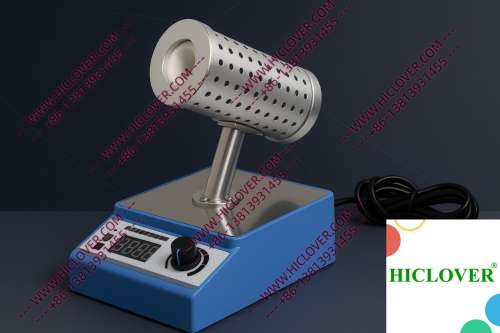
Micro Incinerators utilize infrared heat generated from a ceramic heating element, providing rapid thermal sterilization without the need for open flames. This enclosed ceramic tube facilitates a clean and efficient burning process, allowing the user to achieve high-temperature disinfection quickly. The infrared technology is particularly advantageous because it eliminates the risks associated with flame-based devices, such as alcohol lamps and Bunsen burners, which can produce hazardous fumes and combustion byproducts.
Advantages Over Traditional Flame Sterilizers
- Safety: No open flames, reducing the risk of fire and improving user safety.
- Efficiency: Instant heat with rapid cooling, minimizing downtime between sterilization procedures.
- Portability: Compact design allows for easy transport to various laboratory settings.
- Clean-room compatibility: Perfect for use in BSL-2 or BSL-3 laboratories where contamination control is paramount.
- Aerosol-free handling: Reduces the emission of aerosols, essential for maintaining air quality in sensitive environments.
- What materials can be sterilized using a Micro Incinerator? Micro Incinerators can effectively sterilize metal inoculating loops, needles, and other heat-resistant tools used in laboratories.
- Are Micro Incinerators suitable for use in teaching labs? Yes, they are an excellent choice for university teaching labs where safety and efficiency in sterilization are crucial.
- Can I use a Micro Incinerator for animal tissue disposal? While primarily designed for instrument sterilization, proper models can accommodate animal waste in compliance with local regulations.
- Do Micro Incinerators meet international sterilization standards? Yes, they comply with WHO biosafety regulations and are designed to meet various laboratory sterilization standards globally.
- Why should I choose a Micro Incinerator over a Bunsen burner? Micro Incinerators provide greater safety, efficiency, and compliance in labs, making them a superior choice for modern operations.
Applications in Real Laboratory Settings
Micro Incinerators have found extensive use in several laboratory environments including:
Application Scenario 1: Biosafety Cabinets
In BSL-2 and BSL-3 microbiology labs, the utilization of a Micro Incinerator within biosafety cabinets ensures that sterilization occurs securely without compromising the containment of pathogens. Researchers can easily sterilize inoculation loops, needles, and other tools while maintaining an aseptic working environment. The hood’s filtered air removes potential contamination, and the immediate disinfection capability ensures rapid turnaround times for experiments.
Application Scenario 2: Field Testing Laboratories
For mobile or field testing labs, the compact and lightweight design of Micro Incinerators is invaluable. In scenarios where wildlife disease monitoring takes place, such as the study of zoonotic diseases, researchers can efficiently sterilize equipment on-site without relying on bulky sterilization units. This ease of use in diverse settings—combined with the ability to combat contamination effectively—makes Micro Incinerators a sought-after option for field biologists.
Compliance and Environmental Considerations
Adhering to WHO biosafety standards and local laboratory sterilization regulations is crucial. Traditional flame sterilizers can produce harmful emissions detrimental to both the environment and lab safety, making Micro Incinerators an increasingly preferable choice for modern laboratories. Moreover, since no flame is involved, they can be used in clean rooms, which typically require stringent control over particulate contamination and chemical vapors.
| Feature | Micro Incinerator | Flame Sterilizer |
|---|---|---|
| Open Flame | No | Yes |
| Heat Source | Infrared | Natural Flame |
| Cooling Time | Quick | Dependent on Flame Height |
| Maintenance Cost | Low | Higher |
| Portability | High | Low |
Frequently Asked Questions (FAQs)
Conclusion: Embrace the Future of Laboratory Sterilization
As veterinary labs and research institutions continue to prioritize safety, efficiency, and environmental compliance, Micro Incinerators like the Infrared Inoculating Loop Sterilizer stand out as a top choice for laboratory sterilization equipment. Their advanced technology and ease of use offer a significant departure from traditional flame methods, ensuring that labs can operate effectively in a range of biosafety contexts.
If you’d like to learn more about the benefits of incorporating Micro Incinerators into your laboratory workflow, contact us today. Our expert team is ready to assist you in making the best choice for your sterilization needs and improving your lab’s biosafety practices.
Categories:
Tags: