
In laboratories across the globe, the challenge of ensuring microbial safety is paramount. The presence of antimicrobial resistance (AMR) poses significant risks to public health, making effective sterilization techniques crucial in both research and clinical settings. As biosafety demands grow, laboratories must adopt modern solutions that offer rapid thermal sterilization without compromising safety. One such tool is the Micro Incinerator or Infrared Inoculating Loop Sterilizer, designed specifically to manage the rigorous sterilization workflow in various laboratory environments.
The Technical Principles Behind Micro Incinerators
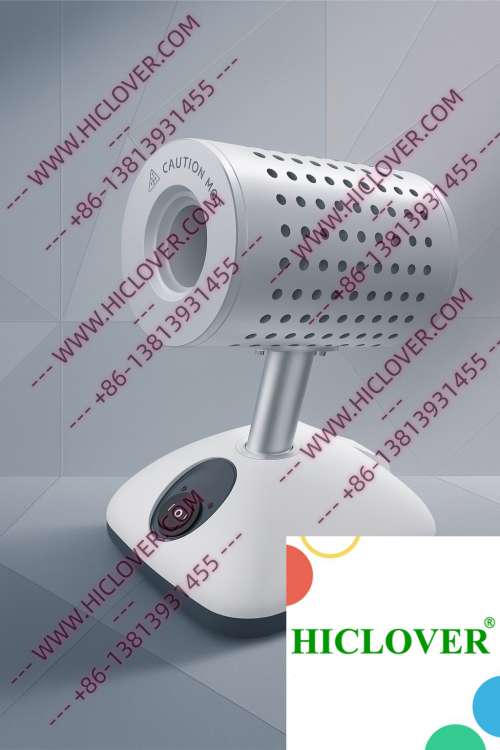
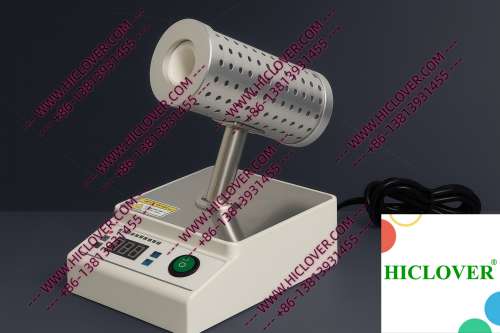
Micro Incinerators utilize infrared heat generated inside a closed ceramic tube to achieve high-temperature disinfection. This technology allows for precise temperature control, which is critical for sterilization efficacy. With rapid heating capabilities, these devices eliminate microbial contaminants almost instantly, making them optimal for labs that require quick turnaround of sterile equipment. Unlike traditional alcohol lamps or Bunsen burners, the infrared design ensures a clean, flame-free environment, which minimizes risks associated with fire hazards and aerosol generation.
Advantages of Micro Incinerators Over Traditional Flame Sterilizers
| Feature | Micro Incinerator | Flame Sterilizer |
|---|---|---|
| Heat Source | Infrared Heat | Open Flame |
| Safety | Clean-bench-safe, no flames | Fire hazards, aerosol risks |
| Speed | Rapid thermal sterilization | Slower heating time |
| Environmental Impact | Less energy consumption | Higher energy usage |
Application Scenarios in Real Laboratories
1. Biosafety Cabinets in BSL-2/BSL-3 Labs
Biosafety cabinets are essential in laboratories working with pathogens, especially in BSL-2 and BSL-3 settings. The Micro Incinerator fits seamlessly into these environments, allowing laboratory personnel to safely sterilize inoculating loops and other tools without introducing ignitable elements. Its aerosol-free handling further enhances the biosafety level, ensuring that cultures remain uncontaminated. In the tight confines of a biosafety cabinet, where every moment counts, the quick-firing ability of the Micro Incinerator speeds up experimental workflows.
2. Mobile Field Testing Labs
In the field, sterilization must be efficient and reliable. Mobile labs often lack the infrastructure of traditional laboratory settings, making the Micro Incinerator an ideal choice for rapid sterilization needs. For environmental studies or outbreak investigations, researchers can take it on-site, ensuring that their sampling tools remain contaminant-free. Its compact design and low energy requirements allow for usage even in remote locations, ensuring effective sterilization on the go.
Compliance with Biosafety and Laboratory Sterilization Standards
With the increasing global emphasis on public health, compliance with established biosafety standards is non-negotiable. The World Health Organization (WHO) recommends following strict sterilization protocols to combat the spread of AMR. Micro Incinerators align with these recommendations, providing a flame-free option conducive to clean room settings, thereby allowing laboratories to comply with stringent health and safety regulations.
Frequently Asked Questions
- What is the operating temperature range of a Micro Incinerator?
The Micro Incinerator typically operates between 800°C to 1000°C, ensuring effective sterilization in seconds. - Can a Micro Incinerator be used in an anaerobic chamber?
Yes, its design allows it to be utilized in various environments, including anaerobic chambers, without risk of contamination. - How does the Micro Incinerator contribute to infection control?
The device’s rapid thermal sterilization capabilities drastically reduce the risk of cross-contamination in laboratory settings. - Is it energy-efficient compared to traditional sterilizers?
Absolutely. Micro Incinerators consume considerably less energy than traditional flame sterilizers, making them more environmentally friendly. - What maintenance does a Micro Incinerator require?
Routine cleaning and inspection of the ceramic tube are recommended to maintain optimal performance and ensure longevity.
Conclusion: Elevate Your Laboratory Sterilization Standards
In the ongoing battle against antimicrobial resistance, adopting innovative sterilization solutions like the Micro Incinerator is essential. Its superior safety profile, efficiency, and compliance with global biosafety standards make it an invaluable asset in laboratories, whether in clinical diagnostics, university teaching labs, or field-testing scenarios. For those seeking to enhance their sterilization protocols, investing in a Micro Incinerator could pave the way for greater safety and efficiency in microbial control. Reach out today to explore how our products can meet your laboratory needs!