
Laboratory biosafety is paramount in any research or clinical facility, particularly in a bustling metropolis like Manila where public health standards are continuously evolving. The increasing demand for reliable sterilization workflows necessitates a shift towards advanced laboratory sterilization equipment. In 2023, one of the standout products in this realm is the Micro Incinerator or Infrared Inoculating Loop Sterilizer. This article explores the cost analysis, technical specifications, and application scenarios, while emphasizing the compliance standards that guide sterilization practices in laboratories.
Understanding Infrared Inoculating Loop Sterilizers
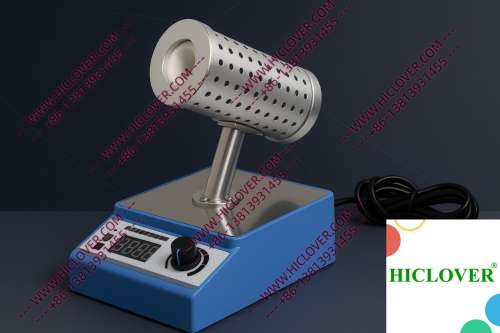
The Micro Incinerator operates on the principle of rapid thermal sterilization using infrared heat emitted from an enclosed ceramic heating chamber. Unlike traditional flame sterilizers—such as alcohol lamps or Bunsen burners—this modern device provides clean, flame-free sterilization. The enclosed design not only ensures efficient heating but also minimizes the risk of aerosol contamination, a critical consideration in biohazardous environments.
- Infrared Heat: Offers direct and rapid sterilization without flames.
- Ceramic Heating Chamber: Ensures uniform temperature distribution for consistent results.
- Compact Design: Facilitates easy integration into various laboratory settings.
- Safety Features: Eliminates the risk of open flames, reducing fire hazards.
- Biosafety Compliance: Adheres to WHO guidelines for laboratory safety.
- Environmental Impact: Reduces carbon emissions by minimizing reliance on fuel-based heating.
- Operational Efficiency: Decreases downtime between sterilization processes.
Application Scenarios in Laboratories
Understanding the specific applications of the Micro Incinerator is crucial for making an informed purchasing decision. Here are two prominent scenarios:
1. Biosafety Cabinets
In laboratories operating under BSL-2 and BSL-3 conditions, contamination control is critical. The Micro Incinerator is exceptionally suited for use within biosafety cabinets. Researchers can efficiently sterilize inoculation loops and other delicate instruments without the risk of flame-driven aerosolization. This not only safeguards the integrity of samples but also enhances the operator’s safety.
2. University Teaching Labs
In educational institutions, where students are often handling live cultures, the Micro Incinerator serves as a practical solution for teaching proper sterilization techniques. No open flame means that students can focus on their procedures without the added anxiety of managing a Bunsen burner. Thus, it streamlines the educational experience while adhering to essential biosafety practices.
Compliance and Environmental Considerations
Compliance with international biosafety standards, as set forth by the World Health Organization (WHO), is essential when selecting laboratory sterilization equipment. The Micro Incinerator not only meets but exceeds many of these regulations, particularly in environments that mandate a flame-free approach, such as clean rooms and high-security laboratories. Key factors include:
Comparison: Micro Incinerator vs. Traditional Flame Sterilizers
The following table highlights some key advantages of the Micro Incinerator over traditional flame sterilizers:
| Features | Micro Incinerator | Traditional Flame Sterilizers |
|---|---|---|
| Heat Source | Infrared Heat | Open Flame |
| Contamination Risk | Low, aerosol-free | High, due to open flames |
| Safety | Flame-free operation | Fire hazard present |
| Application Flexibility | Multiple environments (laboratories, field testing) | Mostly within controlled settings |
Frequently Asked Questions
What are the cost implications of using a Micro Incinerator in Manila?
The initial investment in a Micro Incinerator can be higher than traditional sterilizers, but the savings in operational costs and enhanced safety features offer excellent long-term value.
How does the Micro Incinerator ensure safety in the laboratory?
Its flame-free design minimizes fire risks and its enclosed heating element reduces aerosol contamination, thus promoting a safer laboratory environment.
Is the Micro Incinerator compliant with international lab standards?
Yes, it meets several international biosafety standards, including those set by the WHO, particularly in high-security laboratory environments.
Can the Micro Incinerator be used for field testing?
Absolutely! Its compact and portable design makes it an ideal choice for mobile laboratory setups in field testing scenarios.
What maintenance does the Micro Incinerator require?
Regular cleaning of the ceramic heating chamber and periodic inspections ensure optimal performance and longevity.
Conclusion
In conclusion, the Micro Incinerator/Infrared Inoculating Loop Sterilizer stands out as a superior choice for laboratory sterilization in Manila and beyond. Its flame-free technology aligns with modern biosafety requirements, providing a reliable solution for various applications, from university teaching labs to BSL-3 facilities. For distributors and institutions focusing on enhancing their sterilization workflows, investing in this innovative equipment will undoubtedly yield positive outcomes. Contact us today to learn more about how our Micro Incinerators can meet your laboratory needs and improve your sterilization processes.
Categories:
Tags: