
In today’s rapidly evolving laboratory environments, the importance of reliable sterilization equipment cannot be overstated. Laboratories across Incheon face practical biosafety challenges including contamination control, efficient workflow, and adherence to stringent sterilization standards. Under these circumstances, Micro Incinerators, specifically the Infrared Inoculating Loop Sterilizers, offer a promising solution tailored to these needs.
The Technical Principles Behind Micro Incinerators
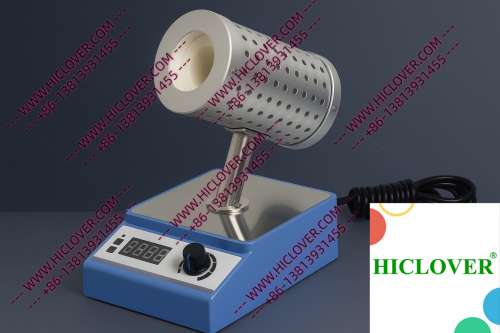
At the heart of Micro Incinerator technology lies the principle of rapid thermal sterilization. Utilizing infrared heat, these devices can achieve high temperatures in seconds, thanks to their enclosed ceramic heating chamber. Unlike traditional flame sterilizers such as alcohol lamps and Bunsen burners, Micro Incinerators offer a clean, controlled method of sterilization. The infrared high-temperature disinfection process minimizes aerosol generation, making it a clean-bench-safe alternative suitable for various laboratory settings.
Design Configuration of Micro Incinerators
Micro Incinerators boast an ergonomic design that ensures ease of use. Most models come with an adjustable temperature setting, allowing users to select the optimal heat necessary for specific sterilization tasks. The ceramic tube configuration effectively focuses infrared heat, targeting only the inoculating loops or other tools being sterilized while minimizing heat loss.
Application Scenarios in Real Labs

- Biosafety Cabinets: In BSL-2 and BSL-3 microbiology labs, where stringent contamination control is vital, the Micro Incinerator allows researchers to sterilize inoculating loops without exposing their work environments to open flames. This ensures that protocols are adhered to while maintaining the integrity of biological samples.
- Mobile Field Testing: For laboratories engaged in mobile or field testing, especially in remote areas of Incheon, portability becomes critical. The lightweight design of the Micro Incinerator makes it an ideal sterilization tool for field researchers who require immediate disinfection of tools without the hassle of carrying flammable materials.
Compliance with International Standards
Ensuring compliance with WHO biosafety regulations and lab sterilization standards is crucial for laboratory operators. Traditional flame sterilizers pose risks in clean rooms due to the possibility of residual contamination from soot and flames. In contrast, Micro Incinerators meet the compliance standards for cleanroom applications while effectively sterilizing equipment at a rapid pace. Their design inherently reduces risks linked with uncontained flames, making them a safer choice for modern laboratory settings.
Moreover, using Micro Incinerators aligns with international laboratory practices that prioritize safety and efficiency, ensuring laboratories are equipped to tackle the demands posed by clinical diagnostics and research.
Micro Incinerator vs. Traditional Flame Sterilizers
| Feature | Micro Incinerator | Traditional Flame Sterilizers |
|---|---|---|
| Temperature Control | Precise with adjustable settings | Variable, often inconsistent |
| Risk of Contamination | Minimized aerosol generation | High potential for contamination |
| Operational Safety | Flame-free operation | Significant fire risk |
| Portability | Highly portable | Bulky and requires fuel |
FAQs
1. What is the primary benefit of using a Micro Incinerator over a traditional Bunsen burner?
The primary benefit is the reduced fire risk and enhanced sterility offered by the controlled infrared heating mechanism, which minimizes contamination chances in sensitive environments.
2. Can Micro Incinerators be used in teaching laboratories?
Yes, they are an excellent choice for university teaching labs, providing students with a safe and effective method for sterilizing tools during practical sessions.
3. How do Micro Incinerators comply with biosafety standards?
They comply by offering flame-free operations and minimizing aerosol generation, adhering to WHO biosafety protocols crucial for laboratory safety.
4. Are these devices suitable for field testing in remote areas?
Absolutely! Their portability and ease of operation make them ideal for field testing, ensuring researchers can sterilize equipment on-site without flammable substances.
5. What types of laboratories are best suited for Micro Incinerators?
BSL-2 and BSL-3 microbiology labs, clinical diagnostics, university teaching facilities, and mobile field testing labs all benefit from the safety and efficiency provided by Micro Incinerators.
Conclusion
Micro Incinerators are redefining laboratory sterilization, providing an effective, safe response to the increasing challenges faced by research facilities and hospitals in Incheon. With their rapid thermal sterilization capabilities and compliance with international biosafety standards, they represent a crucial investment for any laboratory aiming for improved workflow and safety. To learn more about purchasing or exporting Micro Incinerators for your institution, don’t hesitate to reach out to us today!
Categories:
Tags: