
Laboratories are often on the front lines of biosafety, facing the constant challenge of maintaining contamination control in various settings. Whether in BSL-2 labs or teaching facilities, the necessity for efficient and effective sterilization cannot be overstated. Traditional methods such as alcohol lamps and Bunsen burners, while effective, present notable disadvantages, including flame hazards, smoke emissions, and environmental concerns. This is where Micro Incinerator / Infrared Inoculating Loop Sterilizers come into play, offering a cost-effective, eco-friendly solution to these pervasive sterilization challenges.
Understanding the Technology: How Micro Incinerators Work
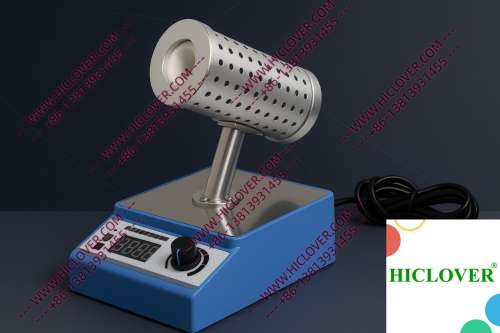
The Micro Incinerator utilizes infrared heating through an enclosed ceramic tube that rapidly reaches high temperatures for sterilization purposes. This technology ensures that the inoculating loops or other laboratory instruments are sterilized in seconds, significantly reducing workflow downtime. The enclosed design allows for aerosol-free handling and minimizes the risk of contamination, ensuring a safer laboratory environment.
Advantages of Infrared Sterilizers Over Traditional Flame Methods
- Eliminates flame hazards which are crucial in sensitive clean room environments.
- Reduces smoke production, making it suitable for operations within biosafety cabinets.
- Offers rapid thermal sterilization without the health hazards associated with flame-based devices.
- More energy-efficient which translates to lower operating costs.
- University Teaching Labs: In educational settings, teaching microbiology students the principles of aseptic techniques is vital. Infrared inoculating loop sterilizers enable students to perform safe and effective sterilization without the alarm of open flames, promoting a more conducive learning environment.
- Field Testing Labs: Mobile labs conducting field tests often require portable and efficient sterilization methods. Micro Incinerators offer the convenience of reliable sterilization in locations lacking access to traditional utilities, ensuring consistent results across varying environments.
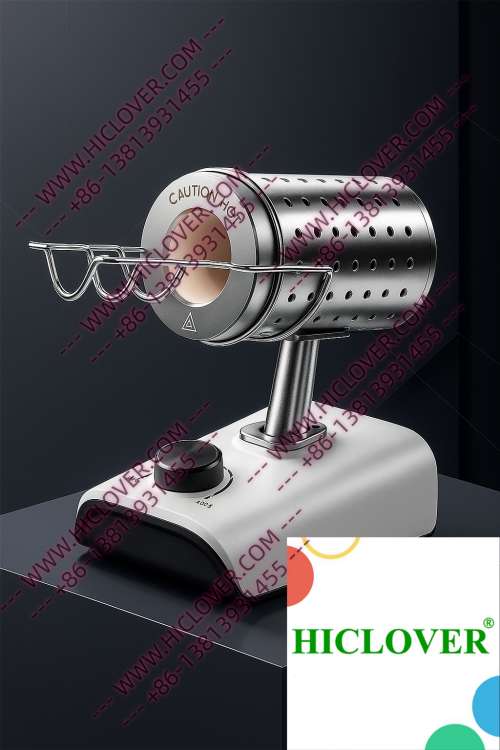
Application Scenarios in Real Labs
To understand the versatility of Micro Incinerators, consider the following application scenarios:
Biosafety Compliance and Environmental Considerations
Meeting compliance with safety regulations is paramount for any laboratory. The World Health Organization (WHO) and specific national standards emphasize the importance of adopting safe sterilization methods. The absence of flames in operations, especially in clean room settings, aligns with contemporary biosafety regulations. Using low smoke sterilizers, such as Micro Incinerators, provides a clear route to compliant sterilization practices while also adhering to environmental sustainability goals.
Comparative Overview: Micro Incinerator vs. Traditional Flame Sterilizers
| Feature | Micro Incinerator | Traditional Flame Sterilizers |
|---|---|---|
| Operational Safety | Low risk of ignition, enclosed design | Open flame poses fire hazards |
| Environmental Impact | Low smoke emissions | Generates harmful emissions |
| Cost Efficiency | Energy-efficient and cost-effective | Higher long-term fuel costs |
| Convenience | Portable with rapid startup time | Requires more setup and monitoring |
Frequently Asked Questions
What is a Micro Incinerator?
A Micro Incinerator is an infrared sterilization device used primarily in laboratories to rapidly and effectively sterilize inoculating loops and other lab instruments without the use of flames.
How does a Micro Incinerator help in contamination control?
By using infrared heat to sterilize instruments quickly, Micro Incinerators minimize the risk of contamination that can occur with traditional flame sterilizers due to smoke production and open flames.
Are Micro Incinerators compliant with safety standards?
Yes, Micro Incinerators are designed to adhere to WHO biosafety standards and other regional laboratory sterilization regulations, ensuring a safe operating environment.
Can I use a Micro Incinerator in BSL-3 laboratories?
Absolutely. Micro Incinerators are suitable for BSL-2 and BSL-3 laboratories due to their low ignition risk and efficient sterilization capabilities.
How does the performance of Micro Incinerators compare to traditional methods?
Micro Incinerators provide a quicker, cleaner, and more energy-efficient method for sterilization compared to traditional flame methods, making them a superior choice in various laboratory settings.
Conclusion: Embrace the Future of Lab Sterilization
In summary, the adoption of Micro Incinerator / Infrared Inoculating Loop Sterilizers is not just a move towards improved operational efficiency but also aligns with modern standards of safety and environmental stewardship. By investing in low smoke sterilization technology, you can enhance your laboratory’s workflow while adhering to compliance standards essential for safety and environmental impact. For more information on acquiring your own Micro Incinerator or to request a quote, please contact us today.
Categories:
Tags: