
In the landscape of laboratory operations in Bangladesh, biosafety challenges frequently arise due to the need for effective sterilization methods. Lab professionals face the dual challenge of ensuring contamination control while adhering to strict sterilization workflow demands. As laboratories grow in complexity, the efficiency and safety of sterilization equipment become paramount. Among the various options available, Micro Incinerator/Infrared Inoculating Loop Sterilizers stand out as a sustainable alternative to traditional flame sterilizers.
Technical Principles of Micro Incinerators
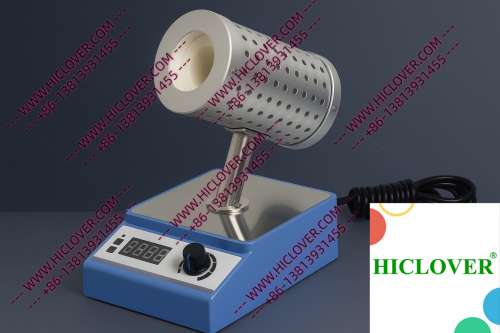
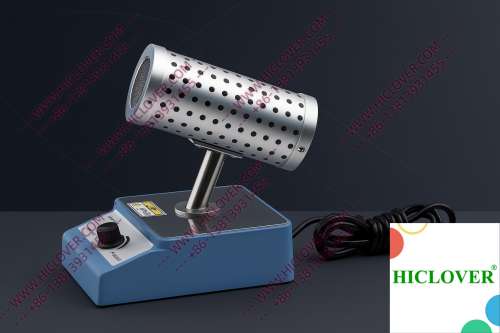
The Micro Incinerator employs infrared heat technology, which produces rapid thermal sterilization in a contained environment. This high-temperature disinfection is achieved through a ceramic heating chamber that reaches temperatures high enough to render microbial life inactive within seconds. One of the essential features of this equipment is its enclosed ceramic tube that prevents the escape of hot air, contributing to a safer and cleaner workspace compared to open flame sterilizers.
Advantages Over Traditional Flame Sterilizers
- Elimination of Open Flames: Unlike alcohol lamps or Bunsen burners, Micro Incinerators do not produce open flames, significantly reducing fire hazards in laboratories.
- Rapid Sterilization Time: The infrared technology enables near-instantaneous sterilization, improving lab productivity.
- Improved Contamination Control: With aerosol-free handling, the risk of airborne contamination is reduced, ensuring a safer lab environment.
- Energy Efficiency: These devices consume less energy compared to traditional flames, promoting sustainability.
- What is the primary advantage of using a Micro Incinerator over a traditional flame sterilizer?
The primary advantage is enhanced safety, as it eliminates open flames, thus reducing fire hazards and aerosol contamination. - Are Micro Incinerators energy-efficient?
Yes, they consume significantly less energy, making them more sustainable choices for long-term laboratory operations. - Can Micro Incinerators be used in field labs?
Absolutely! Their portability allows for effective sterilization in remote or mobile testing environments. - How quick is the sterilization process with a Micro Incinerator?
Micro Incinerators are designed for rapid thermal sterilization, often completed in seconds. - Do Micro Incinerators generate aerosols during the sterilization process?
No, they provide aerosol-free handling, which is crucial for maintaining sterile conditions.
Application Scenarios in Real Labs
The versatility of the Micro Incinerator makes it suitable for various laboratory settings, including:
1. Biosafety Cabinets
In BSL-2 and BSL-3 microbiology labs, the Micro Incinerator serves as an integral part of the sterilization workflow within biosafety cabinets. It allows researchers to sterilize inoculation loops and other equipment without compromising the sterile environment. This is particularly important when handling pathogenic organisms, as it minimizes the risk of contamination that can arise from traditional flame-based methods.
2. Field Testing Laboratories
In field testing labs, where portability and rapid response are crucial, the Micro Incinerator provides a reliable sterilization solution. It can be easily transported, allowing onsite sterilization during mobile testing for clinical diagnostics or environmental assessments. Labs operating in remote areas benefit greatly from the efficiency and independence offered by infrared technologies.
Compliance with Biosafety Standards
The adoption of Micro Incinerators also aligns with compliance protocols set by various health organizations. The World Health Organization (WHO) emphasizes the importance of biosafety measures in laboratory settings. Traditional flame sterilizers often do not meet the requirements for clean-room operations because they produce particulates and flames that can interfere with sensitive experiments.
In contrast, the Micro Incinerator complies with lab sterilization standards that advocate for the reduction of contamination risks in clean environments. Facilities can operate efficiently while adhering to international safety standards, thus ensuring the integrity of their research and diagnostic work.
Biosafety Compliance Reference
WHO guidelines state that “effective sterilization methods must not compromise air quality in clean rooms, making flame sterilizers unsuitable for many controlled environments.”
Frequently Asked Questions
Conclusion
The move towards adopting Micro Incinerators in Bangladesh’s laboratory settings marks a significant shift in maintaining biosafety standards and improving sterilization workflows. With their cost-effective, energy-efficient, and safe features, Micro Incinerators offer a reliable solution for busy laboratories ranging from clinical diagnostics to university teaching labs.
For distributors, hospitals, universities, and research centers looking to enhance their sterilization methods, now is the time to consider investing in a Micro Incinerator. For further details or inquiries about our products, please do not hesitate to contact us!
Categories:
Tags: