
Laboratories worldwide face pressing challenges in biosafety and sterilization workflows. With increasing research activities and stringent safety standards, the need for reliable and efficient sterilization equipment has never been more critical. Traditional methods, such as flame sterilizers, present risks like aerosol generation, uneven heating, and contamination. However, innovative technologies like the Micro Incinerator, or Infrared Inoculating Loop Sterilizer, provide robust solutions catering specifically to these demands.
Technical Principles of Micro Incineration Technology
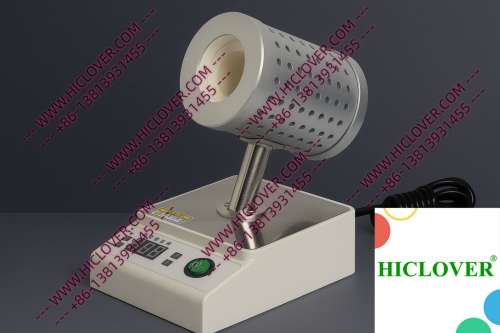
The Micro Incinerator employs infrared heat within an enclosed ceramic tube to achieve rapid thermal sterilization. This technology is designed to provide high-temperature disinfection without the open flames associated with traditional alcohol lamps or Bunsen burners. By utilizing a ceramic heating chamber, the Micro Incinerator can reach temperatures that effectively eliminate bacterial spores and pathogens, ensuring that laboratory tools and inoculating loops are sterilized rapidly and efficiently.
Key Advantages Over Traditional Flame Sterilizers
- Safety: The absence of open flames significantly reduces the risk of fire hazards in laboratories.
- Efficiency: Infrared technology allows for quick heating and cooling cycles, speeding up sterilization workflows.
- Contamination Control: With smoke-free operation, the potential for aerosol generation and contamination is minimized.
- Portability: Many models are compact and designed for both stationary and mobile use, making them ideal for diverse laboratory settings.
- What is the maximum temperature the Micro Incinerator can reach?
The Micro Incinerator can attain temperatures of up to 850°C, ensuring rapid sterilization. - How does the Micro Incinerator improve lab safety?
By eliminating the need for open flames, it significantly reduces fire risks and aerosol contaminations. - Is the Micro Incinerator suitable for BSL-3 laboratories?
Yes, its advanced sterilization capabilities make it suitable for BSL-3 environments with strict biosafety requirements. - Can the Micro Incinerator be used for fieldwork?
Absolutely! Its compact design and efficient performance make it ideal for field testing applications. - What maintenance is required for the Micro Incinerator?
Regular cleaning of the ceramic tube and checking electrical components ensures optimal performance and longevity.
Application Scenarios in Real Labs
Micro Incinerators are encountering growing adoption in various laboratory environments due to their effectiveness and reliability. Here are two compelling application scenarios:
1. Biosafety Cabinets in BSL-2 Laboratories
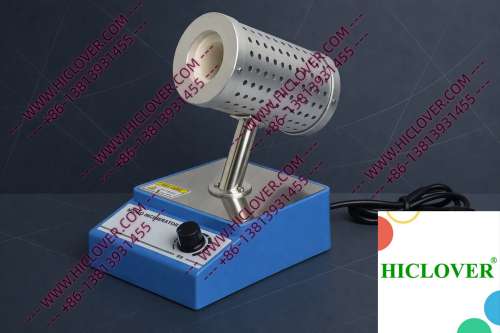
In BSL-2 laboratories, where handling pathogens that can cause mild to moderate disease is routine, effective sterilization is paramount. The Micro Incinerator fits conveniently within biosafety cabinets, allowing for the safe sterilization of inoculating loops and other instruments without compromising the sterile environment. This integration enhances workflow efficiency while ensuring compliance with biosafety regulations.
2. Field Testing Laboratories
Mobile or field testing laboratories often face challenges such as limited access to traditional sterilization methods. In such settings, the Micro Incinerator provides an excellent solution, offering rapid sterilization capabilities in remote locations. For example, during field studies in environmental science or clinical diagnostics, researchers can effectively eliminate contaminants from sampling tools on-site, ensuring accurate results.
Compliance and Environmental Standards
Laboratories must adhere to strict biosafety and sterilization standards set by organizations such as the WHO. These standards emphasize the importance of effective contamination control methods. The Micro Incinerator not only meets but exceeds many of these standards due to its rapid thermal sterilization capabilities and clean-bench-safe operation. Moreover, avoiding open flames in clean rooms is compliant with international laboratory safety standards, thereby ensuring a safer working environment.
“The Micro Incinerator offers a new paradigm in laboratory sterilization, streamlining workflows while strictly adhering to safety protocols.”
Comparison of Micro Incinerators vs. Traditional Flame Sterilizers
| Feature | Micro Incinerator | Flame Sterilizers |
|---|---|---|
| Heating Method | Infrared heat | Open flame |
| Safety | Fire hazard-free | Higher risk due to open flames |
| Efficiency | Rapid thermal sterilization | Slower sterilization |
| Portability | Compact and mobile | Not easily movable |
| Aerosol Production | None | Potential aerosol generation |
Frequently Asked Questions
Conclusion: Invest in Reliable Laboratory Sterilization
As laboratories continue to navigate complex biosafety challenges, the integration of advanced sterilization technology, such as the Micro Incinerator, offers significant advantages. Its portability, safety, and efficiency make it an essential asset for modern laboratories, whether in a BSL-2 setting, field testing, or teaching labs. Investing in such technology not only enhances workflow efficiency but is also a step toward achieving compliance with stringent sterilization standards.
For inquiries regarding purchasing or learning more about our Micro Incineration technology, please contact us today. Experience the difference in laboratory safety and effectiveness!
Categories:
Tags: