
In an era marked by increasing attention toward laboratory biosafety and environmental responsibility, the demand for effective sterilization solutions has never been higher. Laboratories face unique biosafety challenges, especially in managing risks associated with contamination during microbial analyses, teaching environments, and field testing operations. Traditional sterilization methods such as alcohol lamps and Bunsen burners present significant risks, including open flames, aerosol formation, and environmental implications. As a result, energy-efficient sterilization heaters like the Micro Incinerator / Infrared Inoculating Loop Sterilizer emerge as an innovative alternative, offering faster, safer, and cleaner sterilization processes while adhering to rigorous safety standards.
The Technical Principles Behind Infrared Sterilization
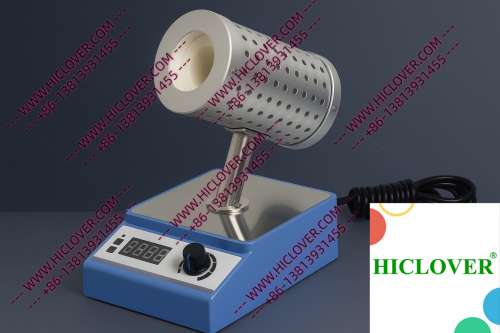
The Micro Incinerator operates on the principle of infrared thermal sterilization, utilizing a ceramic heating chamber that generates high temperatures in a controlled environment. Unlike traditional flame-based sterilizers, this modern device achieves rapid thermal sterilization without the need for combustible materials. The enclosed ceramic tube design ensures the elimination of microbial contaminants while minimizing the risk of unintended ignition in sensitive laboratory settings.
- Efficiency: Infrared technology allows for significantly quicker heat-up times, reducing work delays.
- Safety: The absence of an open flame greatly diminishes fire risks.
- Cost-Effectiveness: Lower energy consumption translates into reduced operational costs over time.
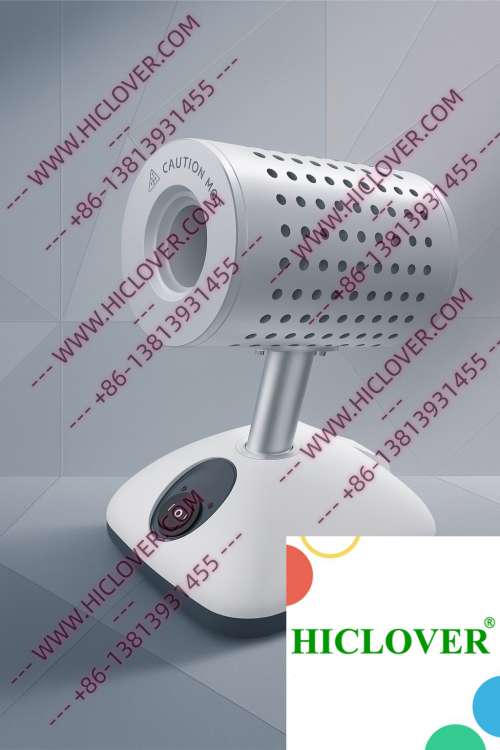
Application Scenarios in Real Labs
Energy-efficient sterilization heaters find their applications across diverse laboratory settings. Two prominent examples include:
Biosafety Cabinets
In BSL-2 and BSL-3 laboratories, where safety protocols are stringent, the use of Micro Incinerators in biosafety cabinets provides an aerosol-free means of sterilizing inoculating loops and other tools. The high-precision sterilization eliminates the risk of contaminating sensitive microbial samples while upholding compliance with WHO biosafety standards.
Teaching Laboratories
University teaching labs often face challenges related to the safe handling of biohazardous materials. Utilizing infrared inoculating loop sterilizers enables students to learn sterilization techniques safely without exposure to flames. This educational tool not only fosters an understanding of sterilization practices but also instills a culture of safety among budding scientists.
Compliance and Environmental Awareness
Adhering to biosafety and sterilization standards is critical for laboratories. Regulatory bodies like the World Health Organization and local health departments impose strict guidelines to ensure laboratory safety. In clean rooms, where contamination control is paramount, the use of flame-free sterilization methods is essential. The Micro Incinerator meets or exceeds these standards, making it a compliant choice for laboratories aiming to enhance safety without compromising efficiency.
Comparison Table: Micro Incinerator vs. Traditional Flame Burners
| Feature | Micro Incinerator | Traditional Flame Burners |
|---|---|---|
| Energy Efficiency | Highly efficient, low energy consumption | High energy consumption |
| Sterilization Speed | Rapid thermal sterilization | Slower heat-up times |
| Risk of Contamination | Minimal aerosol formation | Higher risk of aerosols and open flames |
| Compliance | Meets WHO biosafety standards | May not meet certain regulations |
Frequently Asked Questions
What is a Micro Incinerator?
A Micro Incinerator is an advanced sterilization device that uses infrared heat for thermal sterilization of laboratory instruments safely and efficiently.
How does infrared sterilization differ from traditional methods?
Infrared sterilization relies on direct heat transfer via an enclosed ceramic tube, eliminating the risks associated with combustion and aerosol formation common in flame-based methods.
Are Micro Incinerators compliant with safety regulations?
Yes, Micro Incinerators are designed to meet or exceed various laboratory safety regulations, including WHO biosafety guidelines for clean and sterile environments.
Can Micro Incinerators be used in all laboratory settings?
While highly versatile, Micro Incinerators are particularly suited for BSL-2 and BSL-3 labs, teaching labs, and field testing sites due to their safety features and efficiency.
What are the advantages of using Micro Incinerators over flame sterilizers?
Advantages include enhanced safety, rapid sterilization processes, lower energy costs, and compliance with laboratory safety standards that flame sterilizers may not meet.
Conclusion
Transitioning to energy-efficient sterilization heaters like the Micro Incinerator / Infrared Inoculating Loop Sterilizer not only streamlines laboratory workflows but also significantly reduces operational costs and carbon footprints. As laboratories around the world prioritize sustainability and safety, investing in advanced sterilization equipment is both a practical and environmentally responsible choice. For more information or to purchase, don’t hesitate to reach out today and elevate your laboratory’s sterilization capabilities.
Categories:
Tags: