
The rapid advancement in laboratory technologies brings with it a series of biosafety challenges, particularly in the realm of sterilization workflows. As laboratories expand their focus on clinical diagnostics and research, the demand for effective sterilization equipment has surged. This includes the pivotal role that Micro Incinerators or Infrared Inoculating Loop Sterilizers play in revolutionizing waste management and biosafety protocols. Particularly in the UAE, the need for environmentally responsible solutions has catalyzed the adoption of these innovative systems.
Understanding Micro Incinerators: Technical Principles and Configuration
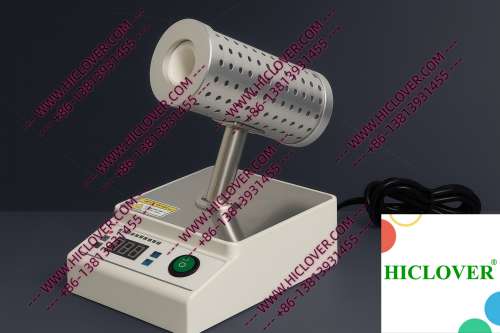
Micro Incinerators operate on the principle of infrared heat, providing rapid thermal sterilization without the hazards traditionally associated with flame-based systems. Enclosed within a robust ceramic heating chamber, these devices utilize high-temperature disinfection capabilities to ensure contamination control. The unique configuration allows for clean-bench-safe combustion, ensuring that aerosols are adequately contained, thus promoting a sterile environment.
In traditional sterilization practices, alternatives such as alcohol lamps or Bunsen burners often introduce risks, including open flames that can compromise laboratory safety and air quality. In contrast, Micro Incinerators facilitate a sterile workflow without these concerns, making them an advisable choice for contemporary laboratories.
Applications in the Laboratory Setting
Micro Incinerators have found their niche across various laboratory settings, particularly in BSL-2 and BSL-3 microbiology labs, clinical diagnostics, and even university teaching labs. Below are two primary scenarios where these devices excel:
- Biosafety Cabinets: Used within biosafety cabinets, Micro Incinerators provide an efficient means for sterilizing inoculating loops, needles, and other tools during microbial cultures. This ensures the prevention of cross-contamination and promotes a high standard of safety for personnel and experiments alike.
- Field Testing Labs: The portability of Micro Incinerators allows them to be used in field testing laboratories where traditional sterilization methods may not be feasible. They provide reliable sterilization outreach even in remote locations, supporting biodiversity studies and environmental monitoring effectively.
These scenarios not only highlight the versatility of Micro Incinerators but also stress their importance in evolving waste management practices. Given the UAE’s commitment to sustainability and its goals to lower landfill contributions, these devices represent a step forward in employing innovative solutions for waste reduction.
Compliance and Environmental Standards in Laboratory Sterilization
Complying with biosafety standards is crucial for any laboratory engaged in scientific research or clinical diagnostics. The World Health Organization (WHO) outlines specific biosafety guidelines to ensure that laboratories operate within optimal safety parameters. Micro Incinerators, by virtue of their design and functionality, meet essential sterilization standards and eliminate the risks inherent with traditional flame systems, making them ideal for cleanroom environments.
Comparison of Sterilization Methods
| Feature | Micro Incinerator | Flame Burner |
|---|---|---|
| Safety | No open flame, aerosol-free | Open flame, risk of contamination |
| Efficiency | Rapid thermal sterilization | Variable, slower |
| Environmental Impact | Reduces waste, eco-friendly | Contributes to hazardous emissions |
| Usability | User-friendly with precise control | Requires more manual adjusting |
Frequently Asked Questions
- What is a Micro Incinerator?
A Micro Incinerator is a sterilization device that uses infrared heat for the rapid thermal disinfection of laboratory tools and materials. - How does it compare to traditional flame sterilizers?
Micro Incinerators offer enhanced safety, rapid sterilization, and reduced environmental impact, making them a superior choice over traditional flame sterilizers. - What laboratory environments benefit most from Micro Incinerators?
They are most beneficial in cleanrooms, BSL-2/BSL-3 labs, clinical diagnostics, and educational settings. - Are Micro Incinerators compliant with WHO biosafety standards?
Yes, their design adheres to WHO biosafety standards, ensuring safety and sterilization efficacy. - Can Micro Incinerators aid in waste reduction?
Absolutely, they contribute to reducing landfill contributions by ensuring effective sterilization of materials without generating hazardous waste.
The Road Ahead: Promoting Sustainable Laboratory Practices
As the UAE emphasizes sustainable development, adopting advanced waste management technologies like Micro Incinerators is critical. Transitioning to these systems not only promotes environmental responsibility but also ensures compliance with global biosafety standards. Whether it’s in a university teaching lab or a mobile field testing unit, the Micro Incinerator stands out as an innovative solution designed to meet the evolving demands of laboratory sterilization.
Considering the unique capabilities of Micro Incinerators, potential buyers from hospitals, universities, research centers, and NGOs are encouraged to reach out for further details. Investing in such advanced sterilization solutions not only aids in maintaining laboratory safety but also aligns with broader environmental objectives aimed at minimizing landfill waste.
For inquiries and purchases, please contact us to learn more about integrating Micro Incinerators into your sterilization workflow.
Categories:
Tags: