
In the fast-paced world of scientific research, especially in Canada, labs face ongoing biosafety challenges and the pressing need for effective sterilization workflows. One of the key challenges is to ensure thorough contamination control while maintaining a clean and safe laboratory environment. The Micro Incinerator, particularly the Infrared Inoculating Loop Sterilizer, stands out as a revolutionary solution that combines efficiency, safety, and sustainability.
Understanding Micro Incinerators
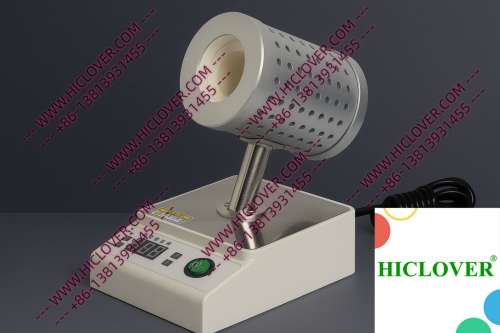
The Micro Incinerator utilizes advanced infrared heating technology, making it a highly effective tool for laboratory sterilization needs. Unlike traditional flame sterilizers—such as alcohol lamps and Bunsen burners—this device incorporates an enclosed ceramic heating chamber that achieves high temperatures rapidly and uniformly. The infrared heat application allows for rapid thermal sterilization without the risk of open flames, reducing the likelihood of accidents in sensitive environments like BSL-2 and BSL-3 microbiology labs.
Key Advantages Over Traditional Flame Sterilizers
- Safety: No risk of fire hazards or open flames, making it ideal for clean rooms.
- Efficiency: Rapid thermal sterilization takes just seconds for effective disinfection.
- Versatility: Suitable for various applications, including teaching labs and field testing environments.
- Environmentally Friendly: Reduced emissions compared to traditional sterilization methods.
- What is a Micro Incinerator?
- A Micro Incinerator is a laboratory device that utilizes infrared heat to sterilize inoculating loops and other small instruments rapidly without an open flame.
- How does it differ from traditional sterilizers?
- Unlike flame sterilizers, Micro Incinerators use infrared technology, providing a faster and safer sterilization option with no risk of fire hazards.
- Can it be used in field testing?
- Yes, its compact and portable nature makes it ideal for field testing, enabling researchers to perform sterilization on-site efficiently.
- What safety standards does the Micro Incinerator comply with?
- The Micro Incinerator adheres to international biosafety standards, including WHO guidelines for laboratory sterilization methods.
- Are Micro Incinerators suitable for educational purposes?
- Absolutely, they provide an excellent learning tool for students in microbiology and related disciplines, allowing them to practice sterile techniques safely.
Application Scenarios in Real Labs
1. University Teaching Labs
In educational institutions, laboratory sterilization equipment must meet the rigorous demands of student training while ensuring safety. Micro Incinerators are increasingly being integrated into university teaching labs. They offer novice lab users a safe and simple way to perform sterilization without extensive training. This tool empowers students in microbiology courses to master sterile techniques in a controlled environment, minimizing the risks commonly associated with open-flame methods.
2. Field Testing Laboratories
The Micro Incinerator shines in field testing scenarios where access to traditional power sources can be limited. In remote or outdoor environments—such as environmental monitoring or agricultural research—this portable sterilizer provides researchers with the ability to maintain strict contamination control without compromising on safety. The compact design and lightweight construction make it an invaluable asset for scientists conducting field studies in inhospitable conditions.
Compliance and Environmental Considerations
The necessity for compliance with biosafety standards, such as those set by the World Health Organization (WHO), cannot be overstated in laboratory operations. As cleanliness and safety are paramount, the Micro Incinerator aligns with WHO biosafety recommendations regarding sterilization processes in laboratories. Unlike open flames, which are restricted in many modern laboratory settings due to the risk of aerosol generation, the infrared sterilizer operates in a clean-bench-safe manner, ensuring that the surrounding environment remains uncontaminated.
Moreover, as laboratories increasingly strive to meet sustainability goals, the Micro Incinerator represents a cleaner alternative. By adopting this technology, Canadian labs not only fulfill their operational requirements but also contribute to reducing their overall ecological footprint.
Comparing Micro Incinerators to Traditional Flame Sterilizers
| Feature | Micro Incinerator | Flame Sterilizer |
|---|---|---|
| Safety | Closed design eliminates fire hazards | Open flame poses significant risk |
| Ease of Use | User-friendly with minimal setup | Requires more training and skill |
| Speed of Sterilization | Rapid thermal sterilization in seconds | Varies; can be slower |
| Environmental Impact | Lower emissions | Higher emissions and pollutants |
Frequently Asked Questions
Conclusion
In the age of scientific advancement, the Micro Incinerator represents a pivotal move toward a safer and more sustainable future in laboratory sterilization practices. Whether in BSL-2 microbiology labs or educational institutions, this cutting-edge technology enhances sterilization workflows while ensuring compliance with vital safety standards. For laboratories in Canada looking to upgrade their sterilization equipment, investing in a Micro Incinerator is a strategic choice that elevates operational efficiency and environmental stewardship.
For further details on our Micro Incinerator products or to discuss your specific laboratory needs, feel free to reach out today. Elevate your lab experience while embracing eco-conscious solutions!
Categories:
Tags: