
In the ever-evolving world of laboratory research, maintaining optimal biosafety standards poses a significant challenge. Laboratories must navigate the complexities of contamination control, efficient sterilization workflows, and regulatory compliance. Flame-based sterilization methods such as alcohol lamps and Bunsen burners are becoming less favored due to safety risks, inefficacy, and the evolving needs of modern research facilities. This raises the question: how can laboratories achieve superior sterilization without the use of flame? Enter flame-free sterilizers, such as the Micro Incinerator and Infrared Inoculating Loop Sterilizer, the cutting-edge solution that guarantees hygiene, safety, and compliance.
Technical Principles of Flame-Free Sterilizers
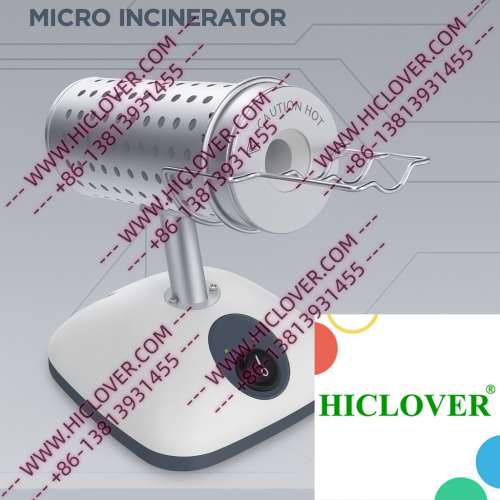
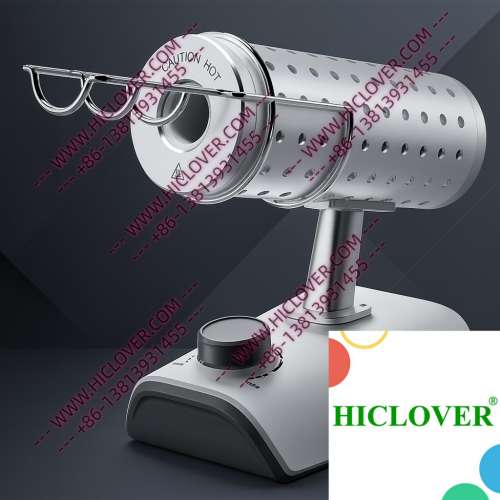
The Micro Incinerator employs a unique mechanism utilizing infrared heat for rapid thermal sterilization. Unlike traditional flame sterilizers, this innovative device features an enclosed ceramic tube that efficiently generates high temperatures—typically exceeding 800°C—capable of deactivating even the most resilient pathogens. The infrasonic heating technology allows for effective disinfection of inoculating loops, forceps, and other lab equipment without producing harmful aerosols or combustion byproducts. This not only enhances safety during sterilization processes but also preserves the integrity of the laboratory environment.
Key Features
- High-Temperature Sterilization: Effective against a wide range of microorganisms.
- Quick Operation: Immediate readiness for use, reducing downtime in busy work environments.
- Clean Environment Compliance: Flame-free design suitable for clean rooms and biosafety cabinets.
- Aerosol-Free Handling: Minimizes potential contamination risks during sterilization.
- What types of labs benefit most from using a Micro Incinerator?
Biosafety labs, university teaching labs, and clinical diagnostics facilities greatly benefit from the safety and efficiency of flame-free sterilizers.
- How does the Micro Incinerator ensure sterilization?
It achieves sterilization through rapid thermal heating using infrared technology, effectively killing pathogens without the use of flames.
- Can a Micro Incinerator be used in a clean room environment?
Yes, its flame-free operation makes it ideal for clean room usage, conforming to strict safety and hygiene protocols.
- Is it easy to operate a Micro Incinerator?
Absolutely! Its design allows for quick startup and ease of use, making it accessible for both experienced researchers and students.
- What maintenance practices are recommended for the Micro Incinerator?
Regular cleaning of the ceramic tube and monitoring of the heating elements are recommended to ensure consistent performance.
Applications in Real Laboratories
Flame-free sterilizers like the Micro Incinerator find application in a variety of laboratory settings, including:
1. University Teaching Labs
In university teaching facilities, where students learn microbiological techniques, the use of traditional flame sterilizers often poses safety risks and can distract from focused learning. The Micro Incinerator enhances the educational experience by providing a safe, rapid sterilization solution. Students become proficient in aseptic techniques without the associated dangers of flame handling. Instructors can easily demonstrate sterilization processes without igniting flames, which enhances safety protocols.
2. BSL-2 and BSL-3 Microbiology Labs
In biosafety laboratories, where handling of potentially pathogenic specimens is routine, contamination control is paramount. Flame-free sterilizers are ideal in these high-stakes environments due to their compliant design and efficiency. The quick sterilization offered by the Micro Incinerator ensures that researchers can maintain clean working conditions without risking contamination through combustive byproducts. As such, its integration into BSL-2 and BSL-3 facilities can dramatically improve biosafety efforts while adhering to strict regulatory standards.
Biosafety Compliance and Environmental Considerations
Compliance with biosafety regulations, such as those set forth by the World Health Organization (WHO) and various national standards, is crucial for research labs. Flame-free sterilizers align with these stringent biosafety protocols due to their non-flammable nature and minimal environmental impact. For instance, the absence of flames makes them suitable for use in clean rooms, where ignition sources must be controlled and minimized. Furthermore, they lessen the production of harmful combustion emissions, contributing to a healthier laboratory environment.
Comparison of Sterilization Methods
| Feature | Micro Incinerator | Traditional Flame Sterilizers |
|---|---|---|
| Temperature Range | Exceeds 800°C | Typically ≤1000°C |
| Safety | Flame-free operation | Risk of fire hazards |
| Efficiency | Immediate heat activation | Requires warming up time |
| Aerosol Production | No aerosols | Aerosol risk present |
| Portability | Compact and portable | Generally bulky |
Frequently Asked Questions
Conclusion
As laboratories worldwide recognize the need for enhanced sterilization methods that prioritize safety and efficiency, flame-free sterilizers stand out as essential tools for the future. The Micro Incinerator and Infrared Inoculating Loop Sterilizer not only meet laboratory sterilization equipment demands but also adhere to compliance standards that protect laboratory staff and the environment. For laboratories seeking a reliable, innovative sterilization solution, the Micro Incinerator is a smart choice that facilitates a safer, cleaner, and more compliant research environment.
If you’re ready to modernize your lab sterilization practices, don’t hesitate to contact us for more information about the Micro Incinerator and how it can transform your laboratory operations.
Categories:
Tags: