
In today’s laboratories, the safeguarding of biosafety is paramount. Within biosafety cabinets, the challenge is to ensure that all equipment used maintains the highest standards of sterilization, particularly in the face of pathogens encountered in BSL-2 and BSL-3 microbiology labs. Traditional methods such as alcohol lamps and Bunsen burners pose unique hazards, including flame risks and incomplete sterilization. This is where modern innovations in sterilization technology come into play.
Meeting Sterilization Workflow Demands with Infrared Micro Incinerators
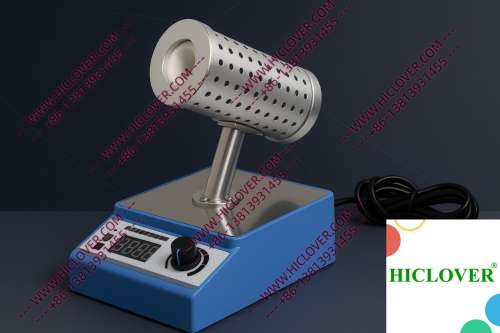
At the forefront of this technology are Micro Incinerators, specifically designed for efficient, rapid thermal sterilization. Utilizing infrared heat through an enclosed ceramic tube, these devices achieve high temperatures quickly, ensuring complete disinfection of inoculating loops and other laboratory tools. The infrared heating mechanism eliminates the need for open flames, allowing sterile handling while minimizing contamination risks.
Technical Principles Behind Micro Incinerators
The Micro Incinerator operates by generating focused infrared radiation, which penetrates the ceramic tube that houses the sterilization chamber. This design not only ensures a rapid preheating time but also enables precise temperature control. With temperatures reaching upwards of 850°C, the sterilization process is efficient, thoroughly eliminating pathogens within seconds. The enclosed nature of the chamber prohibits aerosol production, making it ideal for use in clean or controlled environments.
Applications in Real Laboratory Settings
- Biosafety Cabinet Applications: In BSL-2 laboratories, Micro Incinerators are a staple within biosafety cabinets. They facilitate fast sterilization of inoculating loops, keeping the workspace contamination-free. Their enclosed design makes them compatible with clean room protocols, ensuring compliance with relevant health guidelines.
- Field Testing Environments: For mobile labs operating in the field, the portability and rapid heating time of Micro Incinerators allow for on-the-go sterilization of samples and instruments. This is particularly crucial in environmental testing, where conditions may hinder more traditional sterilization methods.
Compliance with Biosafety Standards
Laboratories today must adhere to strict safety and sterilization guidelines. Both the World Health Organization (WHO) and various national regulations outline requirements for biosafety in laboratory settings. Notably, the use of flame sterilizers like Bunsen burners is often discouraged in clean rooms to prevent the risk of contamination and fire hazards. Instead, devices like the Micro Incinerator comply with these biosafety standards, ensuring safe, effective disinfection without the risk associated with open flame.
In the highly regulated fields of clinical diagnostics and university teaching labs, utilizing equipment that meets regulatory demands is essential. Micro Incinerators not only align with the latest safety standards but also support the lab’s commitment to maintaining a sterile working environment.
Key Benefits of Micro Incinerators Over Traditional Flame Sterilizers
When examining the advantages of Micro Incinerators versus traditional flame burners, several factors highlight their superiority:
- Safe, controlled sterilization without open flames.
- Rapid thermal sterilization minimizes workflow interruptions.
- Less risk of contamination due to aerosol-free operation.
- Compact and portable designs suitable for various lab settings.
- Compliance with WHO and local biosafety regulations.
Comparison Table: Micro Incinerator vs. Flame Burners
| Feature | Micro Incinerator | Flame Burners |
|---|---|---|
| Heating Mechanism | Infrared, ceramic tube | Open flame |
| Safety | Low risk, no flames | High risk of fire hazards |
| Compliance | Meets biosafety guidelines | Often discouraged in clean rooms |
| Preheating Time | Rapid (seconds) | Variable, longer setup |
| Portability | Compact design | Can be bulky |
Frequently Asked Questions
What is a Micro Incinerator, and why is it essential for labs?
A Micro Incinerator is a modern sterilization device that utilizes infrared heat to achieve rapid thermal sterilization. It is essential for labs as it maintains sterile conditions without the risks associated with flame-based sterilization methods.
How quickly can a Micro Incinerator sterilize inoculating loops?
Micro Incinerators can sterilize inoculating loops within seconds, significantly improving laboratory workflow and efficiency compared to traditional methods.
Are Micro Incinerators safe to use in cleanrooms?
Yes, Micro Incinerators are designed for use in cleanrooms, offering an enclosed system that prevents contamination and complies with biosafety protocols.
What regulatory standards do Micro Incinerators meet?
Micro Incinerators comply with various biosafety standards set forth by organizations like the WHO, ensuring safe and effective sterilization practices in laboratories.
How do Micro Incinerators contribute to contamination control?
Micro Incinerators effectively eliminate pathogens without the risk of aerosol dispersion, making them a crucial component of contamination control strategies in labs.
Conclusion
As laboratory safety continues to evolve, adopting advanced sterilization technologies like the Micro Incinerator is indispensable for ensuring effective contamination control and compliance with stringent biosafety guidelines. From BSL-2 microbiology labs to field testing environments, the benefits of rapid preheating and safe operation cannot be overstated. If you’re looking to upgrade your sterilization methods, we invite you to explore our range of Micro Incinerators and discuss your laboratory needs with us today!
Categories:
Tags: