
Modern laboratory biosafety challenges are evolving, driven by a global demand for strict contamination control protocols. The process of effectively sterilizing laboratory tools—particularly in dental micro labs—demands innovative solutions that enhance workflow efficiency without compromising safety. One such solution is the Micro Incinerator / Infrared Inoculating Loop Sterilizer, a state-of-the-art tool designed to meet the rigorous requirements of today’s laboratories.
Technical Principles of Infrared Sterilization
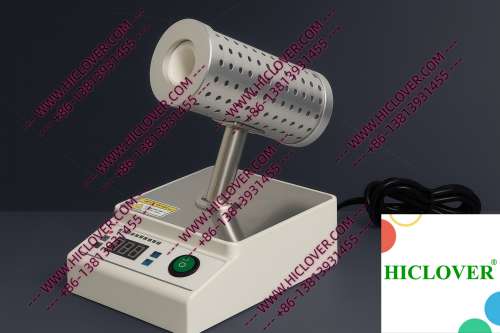
The Micro Incinerator utilizes infrared heat generated within an enclosed ceramic heating chamber that reaches rapid thermal sterilization temperatures. The core principle relies on the emission of infrared radiation, which targets and destroys microbial life on inoculating loops and other small instruments without the need for flames. This not only ensures high-temperature disinfection but also achieves a clean-bench-safe working environment, eliminating the hazards associated with traditional flame sterilizers, like alcohol lamps and Bunsen burners.
Advantages Over Traditional Flame Sterilizers
- Safety: The absence of an open flame significantly lowers the risk of accidental fires or burns.
- Efficiency: Infrared sterilization is quicker, allowing for rapid turnaround in busy laboratory settings.
- Contamination Control: Surfaces remain clean and free from ash or soot deposits, maintaining the integrity of sterile environments.
- Aerosol-Free Handling: The design prevents the generation of aerosols, crucial for biosafety compliance.
Applications in Real Labs
Biosafety Cabinets
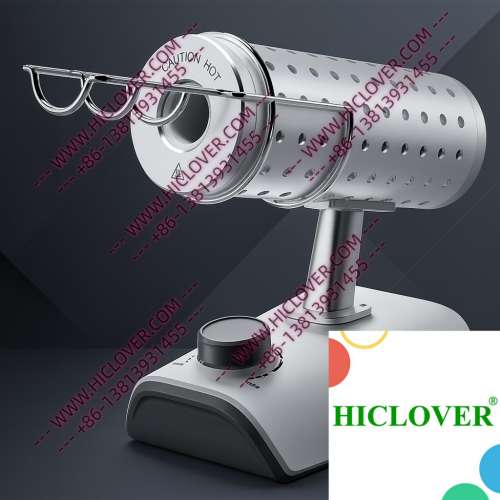
In BSL-2 and BSL-3 microbiology labs, where the potential for exposure to pathogenic organisms is significant, the Micro Incinerator has become an indispensable tool. It is strategically placed within biosafety cabinets to sterilize inoculating loops and tools, preventing cross-contamination during microbial manipulations. This integration enhances workflow efficiency and ensures a high standard of safety for laboratory technicians.
Teaching Laboratories
In university settings, teaching labs utilize the Micro Incinerator to instruct students in sterile technique without the dangers associated with traditional flame sterilizers. The easy-to-use interface and effective sterilization capabilities provide a safe learning environment while instilling essential microbiological principles in students preparing for careers in clinical diagnostics or research.
Compliance with Global Standards
Conforming to international biosafety standards is non-negotiable for laboratory operations. The WHO outlines comprehensive biosafety practices, which emphasize the need for safe sterilization equipment that minimizes risks within clean rooms. The Micro Incinerator complies with these standards, providing laboratories with a trusted solution focused on maintaining high safety levels while ensuring rapid and effective sterilization. Additionally, its flame-free design is particularly advantageous in environments where combustion is strictly forbidden.
Why Choose the Micro Incinerator?
This innovative sterilization tool is not only designed to meet high safety standards but also addresses the operational demands of contemporary laboratory environments. As laboratories in various regions, from urban centers like New York to research facilities in Berlin, strive to enhance their contamination control measures, investing in advanced sterilization equipment like the Micro Incinerator becomes increasingly important.
Comparison: Micro Incinerator vs. Flame Sterilizers
| Feature | Micro Incinerator | Flame Sterilizers |
|---|---|---|
| Open Flame | No | Yes |
| Aerosol Generation | No | Yes |
| Contamination Risk | Low | High |
| Heating Mechanism | Infrared | Combustion |
| Cleaning Requirement | Minimal | Frequent |
Frequently Asked Questions
1. How does the Micro Incinerator ensure rapid sterilization?
The Micro Incinerator utilizes infrared technology that heats instruments to sterilization temperatures almost instantaneously, minimizing wait times compared to traditional methods.
2. Is the Micro Incinerator suitable for all laboratory settings?
Yes, it is designed for diverse applications including microbiology labs, clinical diagnostics, and teaching laboratories, making it versatile for various sterilization needs.
3. What safety features does the Micro Incinerator offer?
The unit is designed with a closed ceramic tube that prevents the risk of flames, providing a much safer alternative compared to alcohol lamps and other flame-based sterilizers.
4. Can the Micro Incinerator be used in field testing environments?
Absolutely! Its portability and efficient sterilization capabilities make it an excellent choice for mobile labs conducting field testing.
5. How does this sterilization method comply with WHO standards?
The Micro Incinerator adheres to international biosafety and sterilization standards, allowing laboratories to maintain compliance while providing safe and effective sterilization.
Conclusion
As the landscape of laboratory sterilization equipment continues to evolve, investing in cutting-edge technologies like the Micro Incinerator / Infrared Inoculating Loop Sterilizer is crucial for ensuring safety and efficiency in sterilization workflows. For laboratories dedicated to biosafety and contamination control, this innovation offers a compelling advantage over traditional flame sterilizers. Contact us today to learn more about how you can enhance your laboratory’s sterilization practices.
Categories:
Tags: