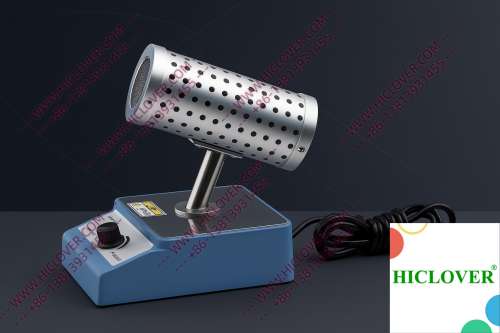
As the healthcare landscape in Little Rock evolves, laboratories must confront significant biosafety challenges and escalating sterilization workflow demands. With the rising incidence of infectious diseases and the need for stringent contamination control, the introduction of advanced sterilization methods is not just beneficial; it’s essential. One such innovation is the Micro Incinerator / Infrared Inoculating Loop Sterilizer, which promises to enhance laboratory operations by providing efficient and effective sterilization solutions.
The Technical Principles Behind the Micro Incinerator
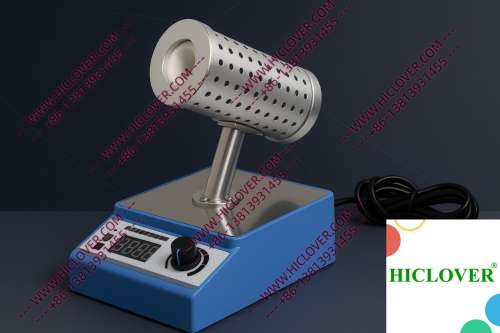
The Micro Incinerator employs advanced infrared heat technology to deliver rapid thermal sterilization, rendering it a robust alternative to traditional flame sterilizers like alcohol lamps and Bunsen burners. Unlike these flame sources, which can introduce contaminants and pose fire hazards, the Micro Incinerator functions with an enclosed ceramic tube, ensuring an aerosol-free environment during sterilization.
This unique design not only minimizes the risk of contamination but also facilitates enhanced user safety, allowing laboratory personnel to work with confidence. The infrared heating system reaches high temperatures quickly, ensuring reliable sterilization of inoculating loops, needles, and similar tools in mere seconds. Such efficient heat transfer directly correlates to a streamlined workflow in laboratory settings.
Applications of Micro Incinerator in Real Labs
In the fast-paced environment of modern laboratories, the operational versatility of the Micro Incinerator makes it an indispensable tool. Below are two primary application scenarios:
1. University Teaching Labs
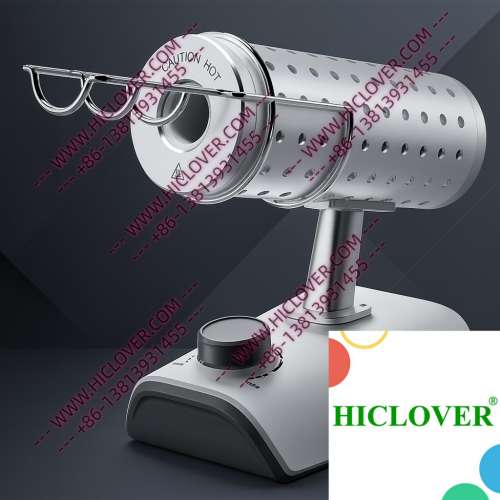
In university teaching labs, where students learn microbiological techniques, the Micro Incinerator provides a safe and efficient means of sterilizing equipment. Students can practice aseptic techniques without the risk of flame exposure, promoting a higher standard of safety in the educational environment. The compact size of the Micro Incinerator allows it to fit conveniently on lab benches, enabling easy access during experiments.
2. BSL-2 Microbiology Labs
In BSL-2 labs, where infectious agents may be handled, maintaining a sterile environment is critical. The Micro Incinerator can be integrated into the workflow of biosafety cabinets, offering a reliable method for sterilizing tools between specimens while adhering to strict biosafety protocols. Its flame-free design ensures that the integrity of the clean space is maintained, crucial in preventing airborne contaminant risk.
Compliance with Biosafety and Laboratory Standards
Compliance with international biosafety standards is paramount in laboratory settings. The World Health Organization (WHO) outlines stringent guidelines for laboratory safety, emphasizing the need for reliable sterilization techniques. The Micro Incinerator aligns with these standards by providing an efficient, clean, and safe sterilization method that eliminates flame hazards and minimizes potential contamination.
In clean room operations and where CO₂ incubators or anaerobic chambers are in use, the elimination of flames helps maintain optimal environmental conditions for cell cultures. Additionally, using non-flame sterilization techniques is recommended in compliance with guidelines for various laboratory settings, reducing the risk of aerosols and improving user safety.
Advantages of Micro Incinerator Over Traditional Flame Sterilizers
When comparing the Micro Incinerator to conventional flame sterilizers, numerous advantages come to light:
- Efficiency: The Micro Incinerator provides rapid sterilization in seconds, significantly reducing wait times between procedures.
- Safety: The enclosed design minimizes exposure to open flames, reducing the fire hazard in laboratories.
- Aerosol-Free Handling: The high-temperature sterilization process does not generate aerosols, ensuring a cleaner working environment.
- Cost-Effectiveness: With lower operational costs due to reduced fuel consumption and longer equipment life, laboratories can realize substantial savings.
Comparison Table: Micro Incinerator vs. Flame Burners
| Feature | Micro Incinerator | Flame Burners |
|---|---|---|
| Heat Source | Infrared heat | Open flame |
| Sterilization Time | Seconds | Variable, longer |
| Risk of Contamination | Low | High |
| Operational Safety | High | Moderate to Low |
Frequently Asked Questions
- What is the Micro Incinerator used for?
The Micro Incinerator is used for fast and effective sterilization of inoculating loops and other small tools in laboratory settings. - How does infrared sterilization work?
Infrared sterilization utilizes high-temperatures to rapidly eliminate microorganisms without the use of an open flame. - Is the Micro Incinerator safe for teaching labs?
Yes, its flame-free design ensures that it provides a safe environment for students learning microbiological techniques. - Can it be used in mobile testing labs?
Absolutely! Its compact design makes it ideal for use in mobile or field testing environments. - What are the compliance benefits of using a Micro Incinerator?
It supports adherence to WHO biosafety recommendations and minimizes contamination risks while improving throughput in labs.
Conclusion
The integration of Micro Incinerator / Infrared Inoculating Loop Sterilizers into healthcare labs in Little Rock represents a significant advancement in sterilization techniques. With its numerous applications, compliance with biosafety standards, and clear advantages over traditional flame sterilizers, it is a must-have for modern laboratories. For more information on how this cutting-edge technology can enhance your lab’s operations, or to place an order, feel free to reach out. Your pursuit of improved laboratory safety and efficiency starts here!
Categories:
Tags: