
In the fast-paced environment of contemporary pathology labs, biosafety challenges and stringent sterilization workflow demands are pressing issues that cannot be overstated. The ability to rapidly and effectively sterilize inoculating tools without introducing contaminants is crucial for ensuring the safety of laboratory personnel and the integrity of experimental results. Among the most innovative solutions for achieving this are Micro Incinerators and Infrared Inoculating Loop Sterilizers, which provide a remarkable alternative to traditional methods such as alcohol lamps and Bunsen burners. This article will explore the technical principles behind these cutting-edge sterilizers, their applications, compliance standards, and benefits for various laboratory environments.
Technical Principles of Modern Sterilizers
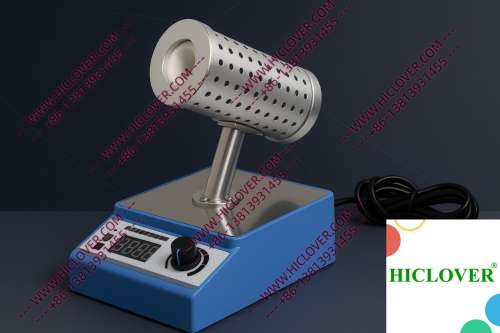
The Micro Incinerator operates on the principles of rapid thermal sterilization using infrared heat. By utilizing an enclosed ceramic tube, these devices deliver high-temperature disinfection without open flames, which is paramount in maintaining a clean laboratory environment. The ceramic heating element allows for uniform distribution of heat, ensuring that the metal inoculating loops and other tools reach the required sterilization temperature almost instantaneously. This not only saves time but also significantly reduces the risk of accidental burns and contamination.
Applications in Diverse Laboratory Settings
- Biosafety Cabinets: In BSL-2 and BSL-3 microbiology laboratories, Micro Incinerators serve a critical role in sterilizing inoculating loops and other implements within the biosafety cabinet. The closed design prevents aerosols from escaping, protecting laboratory personnel from potential pathogens.
- Field Testing Labs: Mobile laboratories require flexible sterilization options. The compact and portable nature of Infrared Inoculating Loop Sterilizers makes them ideal for field testing, allowing researchers to maintain sterile conditions even in remote locations.
- University Teaching Labs: Educational institutes that focus on microbiology laboratory courses benefit greatly from these devices. Students can practice safe sterilization techniques in a controlled environment, enhancing their learning experience while adhering to biosafety standards.
Compliance with Biosafety Standards
In the realm of laboratory sterilization, compliance with established safety protocols is non-negotiable. Organizations such as the World Health Organization (WHO) have clear guidelines regarding biosafety and sterilization practices. The modern Micro Incinerator not only adheres to these guidelines, but it also operates without an open flame, making it suitable for clean rooms where traditional flame sterilizers would introduce uncontrolled variables and potential flammable hazards.
In addition, many regional standards, such as those established by the CDC or ANSI in the United States, acknowledge the necessity for safe sterilization practices to prevent contamination in laboratories. With rising concerns over aerosols and infection, using an infrared sterilizer represents a proactive approach to maintaining laboratory safety and integrity.
Advantages Over Traditional Flame Sterilizers
When comparing Micro Incinerators to traditional flame sterilizers, the advantages are numerous:
| Feature | Micro Incinerator | Flame Burners |
|---|---|---|
| Temperature Control | Rapid and consistent | Variable, difficult to gauge |
| Safety | No open flame, reduced risk of burns | High risk of accidents and fires |
| Contamination Risk | Aerosol-free handling | Increased risk due to open flame |
| Efficiency | Immediate sterilization | Requires time to establish flame |
These features underscore the importance of adopting modern sterilization techniques, particularly in critical applications such as clinical diagnostics and research settings. Removal of flame-based methods not only enhances safety but also ensures a cleaner working environment, ultimately improving workflow efficiency.
FAQs About Micro Incinerators and Sterilization Equipment
What is a Micro Incinerator?
A Micro Incinerator is a laboratory device that uses infrared heat within a ceramic tube to rapidly sterilize inoculating loops and other laboratory tools, providing a cleaner and safer alternative to open flame sterilizers.
How does the Infrared Inoculating Loop Sterilizer work?
The Infrared Inoculating Loop Sterilizer works by using intense infrared heat to achieve rapid thermal sterilization, efficiently eliminating pathogens on lab equipment without the risks associated with flame-based tools.
Is it safe to use a Micro Incinerator in cleanrooms?
Yes, Micro Incinerators are designed to operate without open flames, making them ideal for use in cleanroom environments while complying with strict biosafety standards.
What are the typical applications of Micro Incinerators?
Micro Incinerators are commonly used in BSL-2 and BSL-3 laboratories, university teaching labs, and field testing environments where effective sterilization is essential for safety and accuracy.
Why choose a Micro Incinerator over traditional sterilizers?
Micro Incinerators offer increased safety with reduced risk of burns or contamination, rapid and consistent sterilization results, and ease of use, making them a preferred choice for modern laboratories.
Conclusion: The Future of Laboratory Sterilization
In conclusion, the adoption of Micro Incinerators and Infrared Inoculating Loop Sterilizers represents a significant advancement in laboratory sterilization technology. The myriad benefits—ranging from enhanced safety to improved workflow efficiency—make these devices indispensable for contemporary pathology labs. As biosafety concerns continue to evolve and stringent compliance requirements are enforced, investing in these modern sterilizers is not just a recommendation; it’s a necessity for laboratory excellence. Contact us today to learn more about our innovative sterilization solutions tailored to your laboratory’s needs!
Categories:
Tags: