
The need for effective waste management in laboratories and medical settings has never been more critical. With the rise of biosafety standards and stringent sterilization protocols, laboratories across the globe face increasing challenges in managing and disposing of medical waste effectively. As Rabat’s Hospital leads the way in innovative waste management solutions, the introduction of the micro incinerator highlights the importance of modern sterilization equipment, such as the Micro Incinerator / Infrared Inoculating Loop Sterilizer.
Laboratory Biosafety Challenges and Sterilization Workflow Demands
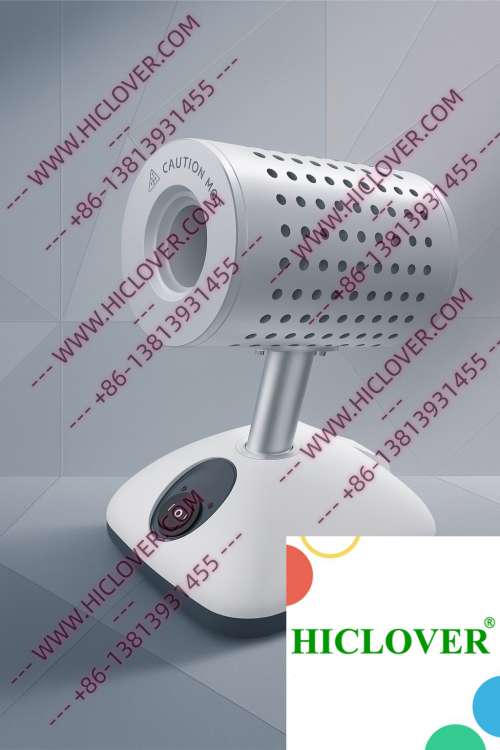
Laboratories today are tasked with ensuring the safety of personnel while maintaining a sterile environment for precise experiments. Traditional methods of sterilization often involve the use of open flames with Bunsen burners or alcohol lamps, which can pose risks such as contamination, inhalation of aerosolized pathogens, and unwanted flame hazards. These challenges create an urgent need for safer, more efficient sterilization solutions.
Technical Principle and Design of the Micro Incinerator
The Micro Incinerator operates on the principle of rapid thermal sterilization, utilizing infrared heat to achieve high-temperature disinfection. Enclosed in a ceramic tube, the device achieves temperatures that can effectively eradicate microorganisms, making it a perfect choice for labs that require the utmost contamination control. The sleek design allows for easy handling within various laboratory settings, including those designated as Biosafety Level 2 (BSL-2) and BSL-3.
Key features of the Micro Incinerator include:
- Infrared heating technology for rapid sterilization
- Compact design, ideal for limited workspace
- Effective aerosol-free handling
- Integration compatibility with biosafety cabinets
- Robust safety features to minimize risks of incidents
Applications in Real Labs
In practical applications, the Micro Incinerator can be utilized effectively in a variety of laboratory environments:
- Biosafety Cabinets: In BSL-2 and BSL-3 labs, the Micro Incinerator provides a reliable means of sterilizing inoculating loops and other instruments without the risks associated with open flames. This enhances the safety of lab personnel while maintaining a sterile working environment.
- Field Testing Laboratories: In mobile field testing labs focused on rapid diagnostics, the portability and efficiency of the Micro Incinerator enable immediate sterilization, allowing for quick turnaround times in healthcare settings where contamination risks are high.
Compliance and Environmental Considerations
Healthcare and laboratory operations are subject to stringent biosafety regulations, including compliance with standards set by the World Health Organization (WHO) and other regional health authorities. These regulations emphasize the importance of using validated sterilization methods that do not compromise the safety of clean areas within labs or healthcare facilities.
Furthermore, in cleanroom environments, the use of flame sterilizers is often prohibited due to the risk of introducing unwanted particles and contaminants into the air. The Micro Incinerator, with its enclosed design, addresses this challenge effectively and aligns with contemporary standards for laboratory sterilization.
Comparison Table: Micro Incinerator vs. Flame Burners
| Feature | Micro Incinerator | Flame Burners |
|---|---|---|
| Temperature Range | Up to 800°C | Variable, dependent on burner |
| Aerosol Control | No aerosol production | Aerosols present, risk of contamination |
| Portability | Lightweight and compact | Generally bulkier |
| Safety Hazard | Minimal risk | High risk (open flame) |
| Compliance with Cleanroom Standards | Yes | No |
FAQs about Micro Incinerators
1. What is a Micro Incinerator and how does it work?
A Micro Incinerator is a laboratory device that uses infrared heat to sterilize bacterial loops and other instruments rapidly, achieving high-temperature disinfection without open flames.
2. Why choose a Micro Incinerator over traditional flame sterilizers?
The Micro Incinerator offers improved safety due to its enclosed design, reduces contamination risks, eliminates aerosol production, and complies with cleanroom standards, unlike conventional flame sterilizers.
3. Are Micro Incinerators suitable for use in field laboratories?
Yes, the lightweight and compact design of the Micro Incinerator makes it ideal for mobile or field testing labs where rapid sterilization is required.
4. How does the Micro Incinerator ensure compliance with biosafety standards?
The device is designed to meet or exceed regulations established by the WHO and other regulatory bodies, ensuring safe and effective sterilization practices in laboratory environments.
5. Can the Micro Incinerator be used in educational settings?
Absolutely, the Micro Incinerator is perfect for university teaching labs, allowing students to learn about sterilization techniques safely and effectively.
Conclusion: Embrace Innovative Laboratory Solutions
Rabat’s Hospital is setting a benchmark in medical waste management with the introduction of the Micro Incinerator, a testament to the power of innovative technology in the realm of laboratory sterilization. As laboratories seek to enhance their safety protocols and operational efficiency, investing in advanced sterilization equipment like the Micro Incinerator is both a practical and necessary step.
If you are looking to upgrade your sterilization methods or stay compliant with current biosafety regulations, consider the benefits of the Micro Incinerator. Contact us today to learn more about this cutting-edge solution for your laboratory needs.
Categories:
Tags: