
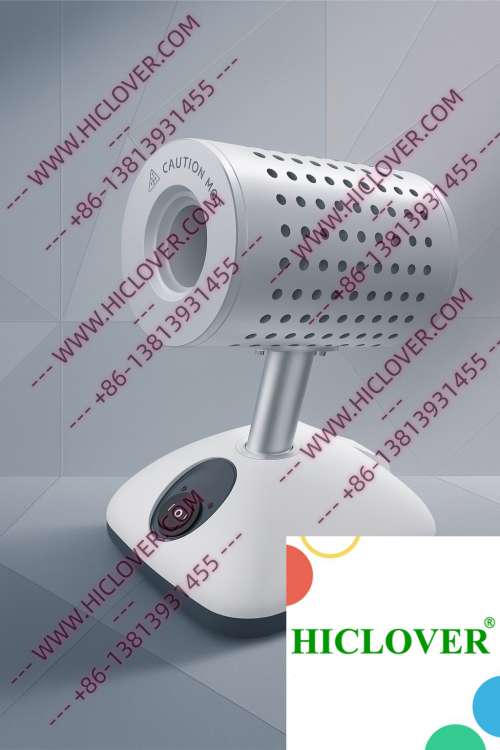
As the Czech Republic continues to evolve in laboratory and medical practices, novel technologies such as micro incinerators have emerged to address pressing biosafety challenges. The demand for effective sterilization solutions is critical, especially within labs aiming to ensure contamination control while adhering to local and international regulations. This article delves into the mechanics of a staple in laboratory sterilization equipment: the Micro Incinerator, also known as the Infrared Inoculating Loop Sterilizer.
Understanding the Challenge in Laboratory Biosafety
In today’s laboratory environments, particularly those classified as Biological Safety Level 2 (BSL-2) and BSL-3, the risk of contamination poses significant challenges to research integrity and safety. Traditional sterilization methods, such as alcohol lamps and Bunsen burners, are frequently used, but they come with inherent drawbacks. These flame-based systems not only create a potential fire hazard but can also produce aerosols that compromise the cleanliness required in sophisticated laboratory settings.
The Technical Principle of Micro Incinerators
The Micro Incinerator utilizes infrared technology, making it a groundbreaking alternative for sterile loop and tool handling. With its enclosed ceramic tube heating chamber, this device achieves rapid thermal sterilization without introducing the risks associated with open flames.
- Infrared Heat: Targets precise heating, resulting in high-temperature disinfection.
- Enclosed Design: Prevents aerosol formation, ensuring contamination control during use.
- Speed and Efficiency: Allows for a quicker turnaround compared to traditional methods.
- What makes micro incinerators safer than traditional flame sterilizers?
Micro incinerators utilize infrared heat, minimizing hazards associated with open flames such as fires and burns. - Can micro incinerators be used in field testing laboratories?
Yes, their portable design makes them suitable for mobile laboratories needing efficient sterilization without complicated setups. - How do micro incinerators contribute to biosafety compliance?
They eliminate aerosol creation, comply with WHO standards, and ensure a clean, safe working environment. - What maintenance do micro incinerators require?
Minimal maintenance is needed, although regular checks on heating elements are advisable to ensure optimal performance. - Are micro incinerators suitable for teaching labs?
Absolutely, they provide an educational tool for safe and efficient sterilization training for students.
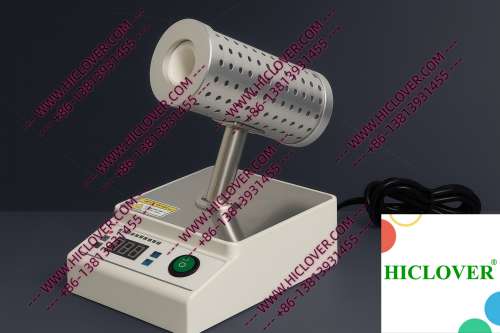
The micro incinerator’s compact design is particularly advantageous for laboratories operating within biosafety cabinets, where a clean environment is imperative.
Application Scenarios in Real Labs
1. Biosafety Cabinets
In BSL-2 or BSL-3 labs, the Micro Incinerator joins the roster of critical sterilization tools. When working with potentially pathogenic organisms, researchers rely on its capacity for efficient sterilization of inoculating loops without risking flame exposure within the cabinet environment. This application reinforces the laboratory’s structural integrity and minimizes outside contamination risks.
2. Teaching Labs
University and college teaching labs particularly benefit from the Micro Incinerator. As students learn to undertake microbial identification, the device’s user-friendly nature allows quick and straightforward sterilization of instruments post-experiment. Given that educational institutions increasingly adhere to elevated safety standards, the Micro Incinerator is an ideal fit, promoting an aerosol-free handling experience for aspiring scientists.
Compliance and Environmental Considerations
Prominent health organizations like the WHO stress the importance of adhering to biosafety regulations, particularly within healthcare and research facilities. Compliance with laboratory sterilization standards necessitates the use of tools that can operate safely in clean rooms.
The Micro Incinerator’s non-flame design not only satisfies safety requirements but also aligns with modern environmental initiatives. As a technology that reduces risks associated with traditional flame sterilizers—like alcohol combustion—micro incinerators present a sustainable alternative, promoting environmental responsibility and optimized operational workflow.
| Feature | Micro Incinerator | Flame Burners (e.g., Alcohol Lamps) |
|---|---|---|
| Heat Source | Infrared | Open flame |
| Safety | Low risk (no open flames) | Potential high risk (fires and burns) |
| Efficiency | Rapid thermal sterilization | Longer heating time |
| Aerosol Risk | None | Possible |
FAQs about Micro Incinerators
Conclusion
The Czech Republic’s commitment to innovation not only enhances laboratory practices but also redefines waste policies through the adoption of advanced equipment like the Micro Incinerator. As organizations seek safer, efficient solutions in microbial work and experimental education, embracing this technology can ensure compliance and foster a culture of safety. For further information regarding the procurement of Micro Incinerators, we invite you to reach out today!
Categories:
Tags: