
In recent years, the increasing demand for efficient laboratory biosafety solutions has highlighted significant pitfalls in sterilization workflows, particularly in remote and rural settings. Traditional sterilization methods, such as alcohol lamps and Bunsen burners, often introduce hazards that can compromise laboratory safety. This is particularly problematic in areas like rural Pakistan, where healthcare resources are limited, and the need for efficient waste management is critical. Enter the Micro Incinerator—an essential tool in transforming sterilization processes and improving biosafety management in these settings.
Understanding the Micro Incinerator
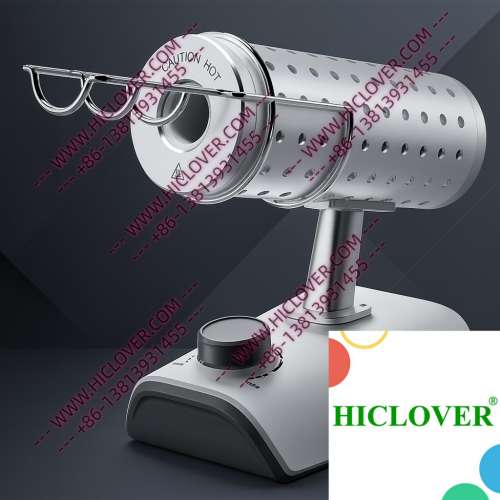
The Micro Incinerator or Infrared Inoculating Loop Sterilizer leverages advanced thermal sterilization technology to ensure rapid contamination control. The primary operating principle involves an enclosed ceramic heating chamber that produces infrared high-temperature disinfection. This utilizes infrared heat, a technology that can sterilize inoculating loops and other lab equipment quickly and efficiently, preventing the issues commonly associated with traditional flame sterilizers.
- Infrared thermal sterilization technology
- Enclosed ceramic tube design
- Rapid heating and cooling cycle
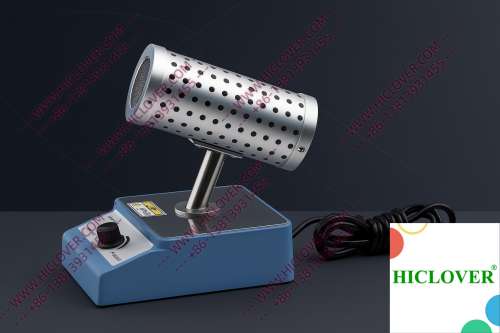
Compared to traditional methods, the Micro Incinerator minimizes both the risk of harmful aerosols—often produced by open flames—and the flammable nature of alcohol fuels, making it a clean-bench-safe alternative suitable for high-stake environments like BSL-2 and BSL-3 microbiology labs.
Applications of the Micro Incinerator in Laboratory Settings
Micro Incinerators find utility in various laboratory scenarios, balancing safety and efficiency seamlessly. Below are two notable application scenarios:
1. Field Testing Laboratories
In rural locations where healthcare and laboratory infrastructure is still developing, field testing labs must contend with challenging sterilization requirements. Micro Incinerators offer a portable solution for rapid thermal sterilization of instruments, ensuring compliance with local health standards while providing essential services. Their lightweight design allows easy transportation, catering to mobile healthcare units that prioritize safety without sacrificing speed.
2. University Teaching Labs
Educational institutions also benefit tremendously from integrating Micro Incinerators into their teaching labs. These instruments allow students to observe safe sterilization processes without the hazards associated with open flames. Infrared inoculating loop sterilizers are particularly advantageous in teaching environments, where students can engage in effective laboratory practice while learning about contamination control mechanisms, enhancing their foundational knowledge in microbiological techniques.
Compliance and Safety Standards
The adoption of Micro Incinerators aligns closely with international biosafety standards endorsed by the WHO and other health organizations. Laboratory sterilization practices are governed by stringent guidelines that emphasize the need for non-flame options in clean environments—especially where the risk of aerosolized contaminants is high.
“WHO emphasizes that effective sterilization techniques are crucial for minimizing the risk of infection and maintaining a safe laboratory environment.”
Moreover, the Micro Incinerator eliminates the potential for flashback and uncontrolled combustion that flames present, making it a compliant choice for settings where safety is paramount. Below is a compliance reference table featuring various sterilization technologies:
Comparison of Sterilization Methods
| Feature | Micro Incinerator | Flame Sterilizers |
|---|---|---|
| Safety | Low risk of aerosol contamination | High risk of fire and flashback |
| Efficiency | Rapid heating and cooling | Time-consuming set up |
| Mobility | Portable and compact | Often bulkier and less portable |
| Clean Room Compliance | Yes | No |
Conclusion
Decentralizing waste management through the use of Micro Incinerators in rural Pakistan provides unmatched benefits in doing away with the challenges posed by traditional flame sterilizers. They present a safer, cleaner, and more efficient means of sterilization, perfectly suited for the demanding requirements of laboratory biosafety. Investing in this technology not only improves operational efficiency in various laboratory settings but also supports public health initiatives in underserved regions.
To understand how our Micro Incinerator can transform your laboratory practices and enhance safety compliance, feel free to contact us today for more information or to make a purchase.
FAQs
- What is a Micro Incinerator?
A Micro Incinerator is a compact device designed for rapid thermal sterilization using infrared heat. It minimizes risks associated with traditional flame sterilizers. - How does it ensure safety in labs?
It provides a flame-free approach to sterilization, reducing the risk of aerosol generation and contamination in biosafety cabinets. - Can Micro Incinerators be used in clinical diagnostics?
Yes, they are suitable for use in clinical diagnostics, teaching labs, and field testing laboratories, ensuring effective sterilization across varied settings. - Are these devices compliant with WHO standards?
Absolutely. Micro Incinerators meet stringent biosafety and sterilization standards set by health organizations like WHO. - How portable are Micro Incinerators?
Their compact design makes them easily portable, ideal for mobile healthcare units and field laboratories.
Categories:
Tags: