
As urban pollution continues to challenge public health, laboratory safety remains a paramount concern, especially in bustling cities like Delhi. The laboratory sector is often confronted with biosafety challenges, driven by the necessity for effective sterilization workflows. Traditional sterilization methods, including alcohol lamps and Bunsen burners, pose risks of contamination and inefficiencies. Fortunately, the advent of portable micro incinerators, specifically the Infrared Inoculating Loop Sterilizer, presents an innovative solution to these pressing challenges.
Technical Principles: Utilizing Infrared Heat for Efficient Sterilization
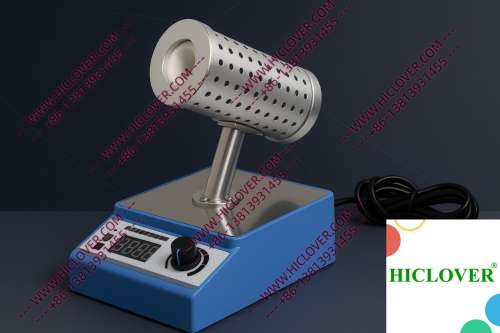
The Infrared Inoculating Loop Sterilizer operates on the principle of rapid thermal sterilization using infrared heat. The core design features a ceramic heating chamber encapsulated in an enclosed tube, ensuring clean-bench-safe disinfection while eliminating the need for a flame. This technology provides a safer method for sterilizing inoculation loops, needles, and other small laboratory tools, reducing the risk of aerosol generation and contamination.
Advantages Over Traditional Flame Sterilizers
When compared to traditional flame sterilizers, micro incinerators offer several distinct advantages:
- Enhanced Safety: The absence of an open flame minimizes fire hazards, making it ideal for biosafety cabinets and cleanroom environments.
- Consistent Temperature Control: Precision heating ensures that tools reach the required sterilization temperature without exceeding it, while traditional methods can lead to uneven heating.
- Aerosol-Free Handling: Infrared sterilizers eliminate the risk of generating aerosols, crucial in controlling contamination in sensitive environments.
- Portability: Lightweight and compact, portable micro incinerators are well-suited for field testing laboratories and mobile microbiology setups.
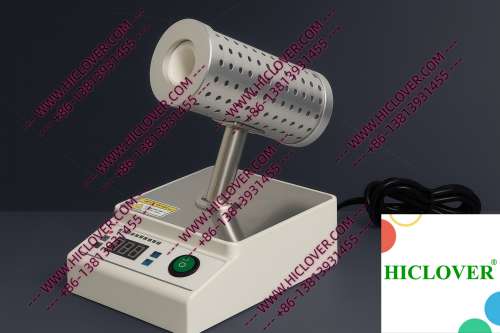
Application Scenarios in Real Labs
Field Testing in Challenging Environments
In field testing scenarios, particularly in remote areas surrounding Delhi, researchers often encounter unpredictable conditions. The portable nature of the Infrared Inoculating Loop Sterilizer allows scientists to maintain strict biosafety protocols even outside traditional laboratory settings. This is vital for microbial sampling and analysis where contamination could lead to skewed results.
Teaching Labs: Enhancing Laboratory Training
University teaching labs present a unique set of challenges, particularly in ensuring that students grasp the importance of sterile techniques. Utilizing a micro incinerator in educational settings not only fosters a focus on safety but also demonstrates modern sterilization methods. By allowing students to use infrared sterilizers, institutions can enhance learning and instill best practices for future generations of researchers.
Compliance and Environmental Impact
Maintaining compliance with international biosafety standards is critical in laboratory environments. The World Health Organization (WHO) outlines guidelines for safe laboratory practices, emphasizing the necessity for flame-free sterilization methods in clean rooms and BSL-2 / BSL-3 laboratories. The Infrared Inoculating Loop Sterilizer meets these stringent standards, promoting an environmentally friendly approach to sterilization.
Moreover, by reducing smoke and emissions from traditional flame sterilizers, cities like Delhi can benefit from cleaner air, contributing to overall public health improvement.
Biosafety Compliance Reference
The table below outlines the compliance benefits of using Infrared Inoculating Loop Sterilizers over traditional flame sterilizers:
| Feature | Infrared Micro Incinerator | Traditional Flame Sterilizer |
|---|---|---|
| Open Flame | No | Yes |
| Controlled Heating | Yes | No |
| Aerosol-Free Operation | Yes | No |
| Portability | High | Low |
| Compliance with WHO Guidelines | Yes | Limited |
Frequently Asked Questions
What is a micro incinerator, and how does it work?
A micro incinerator is a sterilization device that utilizes infrared heat to rapidly achieve high temperatures for tool sterilization. It effectively eliminates contaminants without the use of flames.
Can a micro incinerator be used in cleanroom environments?
Yes, the design of a micro incinerator is ideal for cleanroom settings due to its flame-free operation and reduced risk of contamination.
What materials can be sterilized using an infrared inoculating loop sterilizer?
Common materials include inoculation loops, needles, and other small laboratory implements that require sterilization before use.
Is a micro incinerator safe for student training in laboratory courses?
Absolutely! Its safety features make it a perfect tool for teaching proper sterilization techniques while minimizing accidents in educational labs.
What are the maintenance requirements for a micro incinerator?
Micro incinerators generally require minimal maintenance, primarily focused on ensuring that the ceramic heating chamber remains clean and operational.
Conclusion: Embracing Modern Solutions to Combat Pollution
As Delhi grapples with significant pollution challenges, embracing the innovation of portable micro incinerators can significantly improve laboratory safety and efficiency. The Infrared Inoculating Loop Sterilizer is a perfect fit for institutions committed to maintaining biosafety standards while also contributing to environmental well-being. Don’t miss the opportunity to enhance your laboratory protocols with cutting-edge sterilization equipment. Contact us today for more information on how our micro incinerators can elevate your sterilization processes.
Categories:
Tags: