
In the ever-evolving landscape of laboratory biosafety, the need for effective sterilization techniques is paramount. Laboratories, particularly those operating at Biosafety Levels 2 (BSL-2) and 3 (BSL-3), face numerous challenges to maintain contamination control and ensure the safety of personnel and the public. As the demand for efficient sterilization workflows grows, particularly in urban areas like Des Moines, Iowa, an innovative solution has emerged: Micro Incinerators, specifically the Infrared Inoculating Loop Sterilizer.
Understanding Micro Incinerators
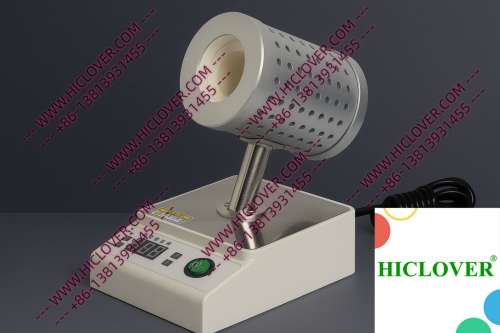
Micro Incinerators utilize advanced infrared heat technology to achieve rapid thermal sterilization. Unlike traditional alcohol lamps or Bunsen burners, which can pose safety risks through open flames, the Micro Incinerator offers a contained, elevated temperature environment within an enclosed ceramic heating chamber. This design ensures that sterilization can occur without aerosol dispersal, drastically reducing contamination risks.
Technical Principles of Micro Incinerators
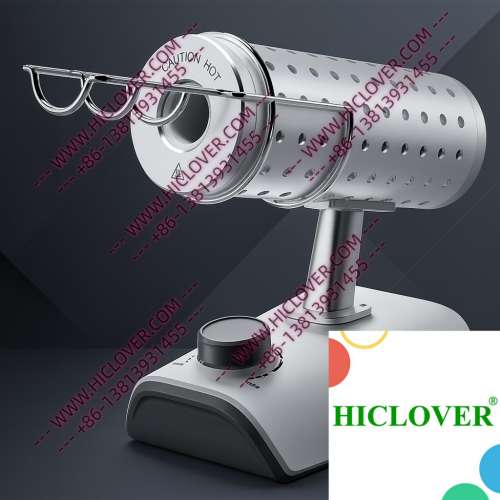
The core of the Micro Incinerator’s functionality lies in its infrared heating element, which focuses heat directly onto instruments, achieving high temperatures necessary for effective sterilization in seconds. The enclosed ceramic tube design serves dual purposes: rapid heating and reduced risk of heat escape, making it ideal for use in sensitive environments such as clean rooms and biosafety cabinets.
Comparison of Micro Incinerators vs. Traditional Flame Sterilizers
| Feature | Micro Incinerator | Traditional Flame Sterilizers |
|---|---|---|
| Heat Source | Infrared | Open Flame |
| Safety | No open flame risks | Inherent fire hazards |
| Aerosol Management | No aerosols | High aerosol risk |
| Speed of Sterilization | Seconds | Varies |
| Portability | Portable | Not portable |
Applications in Laboratory Settings
Micro Incinerators have versatile applications across various laboratory environments. Here are two primary scenarios where their use is pivotal:
-
Biosafety Cabinets
In BSL-2 and BSL-3 labs, where the risk of exposure to infectious agents is higher, Micro Incinerators provide a safe and efficient method for sterilizing inoculating loops and other small instruments. Their rapid sterilization capabilities allow for uninterrupted workflow, enabling researchers to maintain productivity without compromising safety.
-
Teaching Labs
University teaching labs benefit from the use of Micro Incinerators during microbiological training. They enable students to perform rapid sterilization of equipment, reinforcing proper technique while minimizing the safety risks associated with flame-based sterilization methods. The infrared sterilizers support a clean and safe learning environment.
Compliance with Biosafety Standards
Following WHO biosafety guidelines, effective sterilization methods must adhere to laboratory sterilization standards to mitigate any potential health risks. Micro Incinerators meet these compliance requirements, providing a secure and effective option for labs that require stringent sterilization protocols.
Moreover, in clean room operations, where contamination control is crucial, the absence of open flames reduces the risk of fire and the introduction of particulate matter into the controlled environment, aligning with regulatory compliance and lab certifications.
Environmentally Friendly and Efficient
Micro Incinerators are not only designed to improve safety and efficiency but also to serve as a more environmentally friendly alternative to traditional methods. Their compact design minimizes the amount of energy consumed during operation, aligning with sustainability initiatives that many laboratories are now pursuing.
FAQs
-
What is a Micro Incinerator and how does it work?
A Micro Incinerator, or Infrared Inoculating Loop Sterilizer, uses infrared heating technology to sterilize instruments rapidly, ensuring that there is no open flame and minimizing contamination risks.
-
Can Micro Incinerators be used in field testing scenarios?
Yes, their portable design makes them ideal for field testing as they can operate safely without a traditional power supply, ensuring rapid sterilization on-site.
-
How does the Micro Incinerator improve lab workflows?
The rapid sterilization capabilities allow for continuous operation, reducing downtime during experiments and improving overall laboratory productivity.
The Future of Laboratory Sterilization
As Des Moines and other regions prioritize public health through effective medical waste management, embracing technologies like Micro Incinerators is essential. Their design facilitates safe and efficient sterilization, supporting compliance with international biosafety standards. If you’re exploring advanced sterilization solutions for your laboratory, consider the advantages of Micro Incinerators. This innovative technology not only enhances safety and efficiency but aligns perfectly with modern laboratory practices.
Contact us to learn more about how our Micro Incinerator solutions can elevate your lab’s biosafety and operational efficiency today!
Categories:
Tags: