
In the ever-evolving landscape of laboratory biosafety, the need for effective sterilization workflows has never been more crucial. From microbiology labs to dental offices, maintaining a contamination-free environment is essential for accurate results and patient safety. Among the options available, the Micro Incinerator or Infrared Inoculating Loop Sterilizer emerges as a significant tool, offering rapid thermal sterilization while ensuring compliance with stringent biosafety standards.
Challenges in Laboratory Sterilization
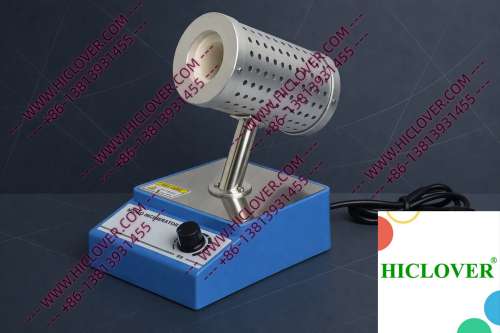
Laboratories encounter various biosafety challenges when it comes to sterilizing instruments. Traditional methods such as alcohol lamps and Bunsen burners often introduce risks such as open flames, aerosol generation, and potential cross-contamination. With increasing regulations and an emphasis on safe practices, the need for enclosed and efficient solutions has led to the rise of specialized devices like the Micro Incinerator.
How Micro Incinerators Function
The core of the Micro Incinerator’s sterilization efficiency lies in its innovative design. Utilizing an enclosed ceramic heating chamber, it employs infrared heat to achieve high-temperature disinfection rapidly. This technology allows for precise control over temperatures and minimizes any risk associated with traditional flame sterilizers. As the loop is inserted into the sterilizer, the ceramic tube generates consistent, focused infrared radiation that instantaneously sterilizes inoculating loops without the risk of flames.
- Rapid Sterilization: The Micro Incinerator provides a sterilization cycle within seconds, significantly improving workflow.
- Clean-Bench-Safe: It operates without open flames, making it suitable for biosafety cabinets and cleanroom environments.
- Aerosol-Free Handling: The enclosed design prevents aerosol generation, crucial for maintaining sterile working conditions.
- Efficiency: Rapid thermal sterilization reduces waiting times.
- Control: Precise temperature regulation prevents overheating and resampling.
- Safety: Enclosed design minimizes the risk of laboratory accidents.
- Environmentally Friendly: No combustion fumes or aerosols generated, making it suitable for clean facilities.
- What is the main advantage of using an infrared inoculating loop sterilizer?
- The main advantage is rapid sterilization without the risk of flames, making it safer and more efficient.
- Can Micro Incinerators be used in field testing laboratories?
- Yes, the portability and design of Micro Incinerators make them suitable for mobile labs.
- How does the Micro Incinerator improve workflow in dental clinics?
- It provides instant sterilization for tools and loops, allowing for a smoother, uninterrupted workflow.
- Is the Micro Incinerator compliant with WHO standards?
- Yes, it meets international biosafety norms for laboratory sterilization equipment.
- What maintenance is required for a Micro Incinerator?
- Regular cleaning of the ceramic tube and inspections for functionality are recommended to maintain optimal performance.
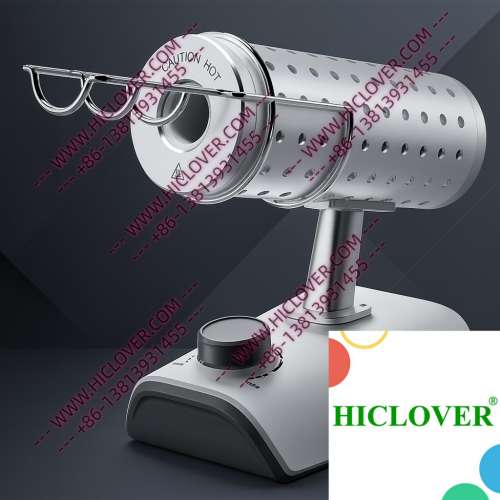
Application Scenarios in Real Laboratories
The usability of Micro Incinerators can be exemplified in various laboratory settings:
1. Biosafety Cabinets
In BSL-2 or BSL-3 microbiology labs, maintaining sterility is paramount. The Micro Incinerator’s ability to integrate seamlessly into a biosafety cabinet enables laboratory personnel to sterilize inoculating loops without exposing themselves to contaminants. The efficient thermal sterilization decreases the overall risk of cross-contamination, ensuring samples remain uncontaminated throughout the testing process.
2. Teaching Labs
In academic settings, particularly in university teaching labs where students are trained to handle microbial cultures, the Micro Incinerator stands out. Its user-friendly design and rapid sterilization capability allow students to focus on their techniques without the added concern of managing open flames. The consistent performance enhances the learning experience, while also adhering to modern biosafety standards.
Compliance with Biosafety Standards
Regulatory bodies like the World Health Organization (WHO) set strict biosafety and sterilization standards to protect laboratory personnel, the environment, and the integrity of experiments. The operation of traditional flame sterilization in clean rooms poses challenges due to the risk of contamination and the potential for explosions.
Biosafety Compliance Reference
| Type of Sterilization | Biosafety Compliance | Risk Level |
|---|---|---|
| Micro Incinerator | WHO Biosafety Standard | Low |
| Flame Sterilizers | Limited Compliance | High |
The evidence clearly shows that Micro Incinerators provide a higher level of compliance and safety, thus improving laboratory workflow and fostering a safer working environment.
Advantages of Micro Incinerators vs. Traditional Flame Sterilizers
Below are some advantages of utilizing Micro Incinerators over traditional flame sterilizers:
Frequently Asked Questions
Conclusion
As laboratories continue to push the boundaries of microbiological research, the need for an effective, safe, and compliant sterilization solution becomes essential. The Micro Incinerator or Infrared Inoculating Loop Sterilizer provides a robust answer to these challenges, enhancing laboratory workflow while ensuring adherence to the strictest biosafety standards. For laboratories seeking to upgrade their sterilization methods with a focus on safety and efficiency, the Micro Incinerator is an investment worth making. Contact us today to learn more about our sterilization solutions or to place your order!
Categories:
Tags: