
Laboratories around the globe are constantly facing the challenges of biosafety and the need for efficient sterilization workflows. Whether ensuring contamination control in a BSL-2 microbiology lab, optimizing processes in clinical diagnostics, or maintaining strict protocols in teaching labs, effective sterilization equipment is crucial. Among these, the Micro Incinerator or Infrared Inoculating Loop Sterilizer stands out as a highly effective, user-friendly solution that meets diverse laboratory needs.
The Technical Principles Behind Micro Incinerators
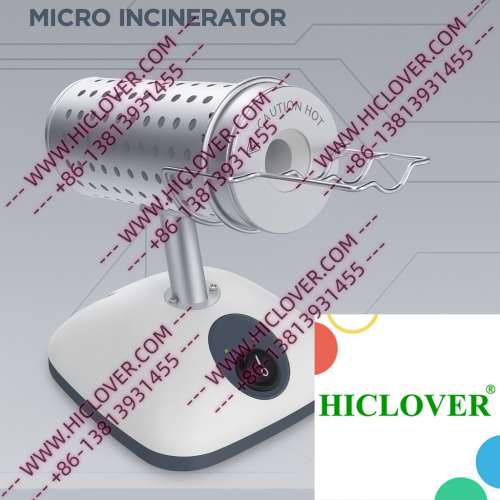
Micro incinerators utilize advanced infrared heat technology, which provides rapid thermal sterilization without the open flame associated with traditional methods, such as alcohol lamps or Bunsen burners. This technology revolves around a ceramic heating chamber that generates high temperatures quickly and efficiently. The enclosed design eliminates flammable hazards and allows for aerosol-free handling—critical in minimizing contamination risks in cleanbench-safe environments.
Key Features of Micro Incinerators
- Compact Design: Easy to integrate into any laboratory setting, whether on a benchtop or inside a biosafety cabinet.
- Rapid Heating: Reaches sterilization temperatures within seconds.
- No Open Flame: Reduces fire hazards and is compliant with cleanroom standards.
- Environmentally Friendly: Minimizes the risk of hazardous waste generated by combustion processes.
Application Scenarios in Real Labs
1. Field Testing Laboratories
In remote or mobile testing labs, where safety protocols must be efficient and portable, the plug-and-play Micro Incinerator proves invaluable. For instance, during an outbreak response in a field testing laboratory in Nairobi, Kenya, researchers utilized these devices to sterilize inoculating loops on-site, ensuring rapid and safe collection of specimens while maintaining biosafety standards.
2. University Teaching Labs
In teaching labs, such as the microbiology department at the University of Melbourne, Australia, students benefit from hands-on training with the Micro Incinerator. This device allows them to practice sterile technique without the worries associated with flame sterilization—facilitating a safer learning environment while complying with Australian biosafety standards. The ease of use and quick sterilizations enable students to focus on learning outcomes rather than operational concerns.
Compliance and Environmental Safety
Compliance with established biosafety standards is essential for any laboratory operation. The World Health Organization (WHO) provides guidelines emphasizing the importance of effective sterilization practices to prevent contamination and disease transmission. The Micro Incinerator meets these standards with its robust design, suitable for BSL-2 and BSL-3 microbiology labs, by fostering a safe working environment and adhering to strict sterilization protocols.
In cleanroom settings, the absence of open flame not only enhances safety but also aligns with cleanliness requirements, minimizing aerosols and potential contamination. In the context of the European Union’s laboratory sterilization standards, the Micro Incinerator represents a modern solution for laboratories looking to improve workflows while maintaining compliance.
Micro Incinerator vs. Traditional Flame Sterilizers
| Feature | Micro Incinerator | Flame Sterilizers |
|---|---|---|
| Heating Time | Seconds | Minutes |
| Safety | Enclosed, no flame | Open flame, higher risk |
| Portability | High | Moderate |
| Contamination Control | Excellent | Variable |
FAQs about Micro Incinerators
1. What is a Micro Incinerator used for?
A Micro Incinerator is used for sterilizing inoculating loops, needles, and other small laboratory tools through rapid thermal sterilization using infrared heat.
2. Is a Micro Incinerator safe to use in a biosafety cabinet?
Yes, Micro Incinerators are designed for optimal safety in biosafety cabinets as they operate without an open flame, reducing risks associated with traditional sterilization methods.
3. How quickly does a Micro Incinerator heat up?
Micro Incinerators typically reach sterilization temperatures within seconds, allowing for efficient workflow in laboratory settings.
4. Do Micro Incinerators comply with laboratory safety standards?
Yes, they comply with international biosafety guidelines, including WHO recommendations, making them suitable for BSL-2 and BSL-3 laboratories.
5. Can Micro Incinerators be used in field laboratories?
Absolutely! Their plug-and-play design and portable nature make them ideal for use in mobile or field laboratories, where safety and efficiency are paramount.
Conclusion
In the evolving landscape of laboratory safety and sterilization protocols, the Micro Incinerator stands as a beacon of innovation. By providing a simple, yet effective solution for rapid thermal sterilization, it addresses the critical needs of biosafety across various environments—from clinical diagnostics to teaching labs. Investing in this state-of-the-art equipment not only enhances laboratory operations but also helps maintain compliance with stringent safety regulations. For further information or to make a purchase, feel free to contact us today!
Categories:
Tags: