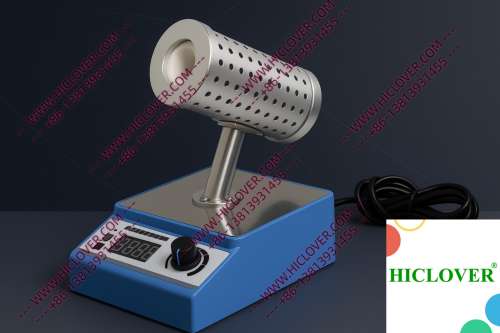
In recent years, laboratories worldwide, including those in Dubai, have increasingly faced challenges related to biosafety and sterilization workflows. With strict contamination control requirements and the rapid pace of scientific advancements, labs are turning to innovative solutions to ensure the safety and efficiency of their operations.
Among these technologies, the Micro Incinerator or Infrared Inoculating Loop Sterilizer stands out as a game-changing tool that addresses multiple sterilization challenges. This article explores the technical principles, applications, compliance standards, and benefits of embracing micro incinerator technology for laboratory sterilization.
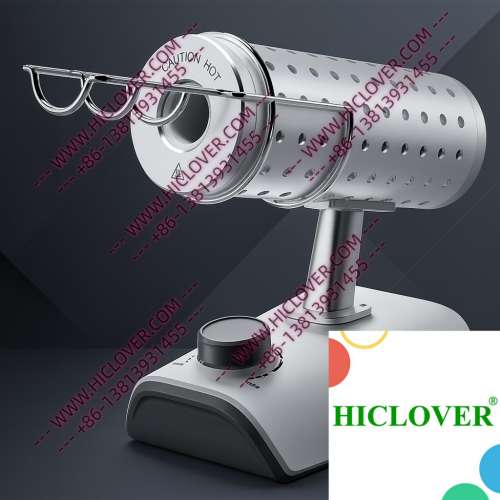
Technical Principles Behind Micro Incinerator Technology
The Micro Incinerator works on the principle of rapid thermal sterilization using infrared heat, which is generated within an enclosed ceramic heating chamber. Unlike traditional flame sterilizers, such as Bunsen burners and alcohol lamps, the infrared heating technology provides a high-temperature disinfection method that is not only efficient but also eco-friendly.
This state-of-the-art device is designed for user safety, emitting no open flame, making it suitable for use in clean rooms and sensitive lab environments. The ceramic tube ensures an even distribution of heat, allowing for precise control during sterilization processes, thereby facilitating aerosol-free handling of laboratory tools.
Applications of Micro Incinerators in Modern Laboratories
Micro Incinerators have varied applications in different laboratory settings, including:
- Biosafety Cabinets: In BSL-2 and BSL-3 microbiology labs, where pathogen handling occurs, decluttering work surfaces from microbial contamination is essential. The Micro Incinerator provides a reliable method for sterilizing inoculating loops and other small implements without the risk of flame exposure.
- Field Testing: Mobile labs conducting field testing for clinical diagnostics can greatly benefit from the compact nature of the Micro Incinerator. It allows researchers to maintain stringent sterilization protocols regardless of their location, thus enhancing the credibility of field results.
- University Teaching Labs: As academic institutions prioritize hands-on learning, Micro Incinerators facilitate safer laboratory practices. Students learn sterile techniques without the inherent dangers associated with open flames.
Compliance with Biosafety Standards
Compliance with international biosafety standards, such as those outlined by the World Health Organization (WHO), is critical in lab settings. The Micro Incinerator aligns with strict laboratory sterilization standards, ensuring that best practices are observed. Its use prevents potential hazards associated with flame sterilizers that can compromise cleanroom integrity.
In addition, the Micro Incinerator is compliant with regulations that prohibit open flames in clean environments, thus supporting research without introducing potential contaminants. This reliability in compliance makes it an ideal choice for both clinical diagnostics and environmental testing.
Advantages Over Traditional Flame Sterilizers
Comparing Micro Incinerators to traditional flame sterilizers reveals a range of advantages that further solidify their role in modern laboratories:
| Feature | Micro Incinerator | Flame Sterilizer |
|---|---|---|
| Heat Source | Infrared | Open Flame |
| Safety | No open flame; safe for clean rooms | Fire hazard; not safe for sensitive environments |
| Efficiency | Rapid thermal sterilization | Variable thermal control |
| Portability | Compact and lightweight | Less portable; bulkier |
| Cost of Operation | Energy-efficient | Questionable due to fuel costs |
FAQs About Micro Incinerators
- What is a Micro Incinerator used for? Micro Incinerators are primarily used for sterilizing inoculating loops and other small laboratory tools, ensuring they are free from biological contaminants.
- How does the infrared technology work? The device uses infrared heat to rapidly achieve high temperatures necessary for effective sterilization, delivering efficiency without an open flame.
- Is a Micro Incinerator safe for use in a BSL-2 lab? Yes, Micro Incinerators are designed for use in BSL-2 labs because they adhere to stringent safety and sterilization protocols.
- Can it be used outdoors or in the field? Absolutely! Its compact design makes it suitable for outdoor research or mobile laboratory settings.
- What are the environmental benefits of using a Micro Incinerator? Unlike flame sterilizers, Micro Incinerators produce fewer greenhouse gases and eliminate the need for combustible materials, further underscoring their eco-friendly advantage.
Conclusion
The shift towards micro incinerator technology in Dubai’s laboratories emphasizes the region’s commitment to maintaining high biosafety standards while improving sterilization efficiency. This innovation not only streamlines sterilization workflows but also aligns with environmental sustainability goals.
For institutions looking to upgrade their sterilization methods, consulting with laboratories supply distributors for the latest in Micro Incinerator products can be a pivotal step towards modernizing your laboratory practice. Discover the seamless integration of science and safety with this cutting-edge technology.
Categories:
Tags: