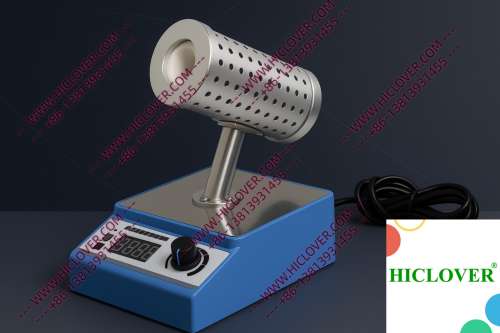
In today’s world, the growing demand for sustainable laboratory practices is reshaping how scientific environments approach sterilization. Laboratory biosafety challenges, especially in microbiology labs dealing with BSL-2 and BSL-3 organisms, increasingly mandate adherence to stringent sterilization workflows. As laboratories prioritize contamination control and environmental responsibility, new technologies like the Micro Incinerator / Infrared Inoculating Loop Sterilizer are revolutionizing how sterilization is executed.
Understanding the Technical Principles
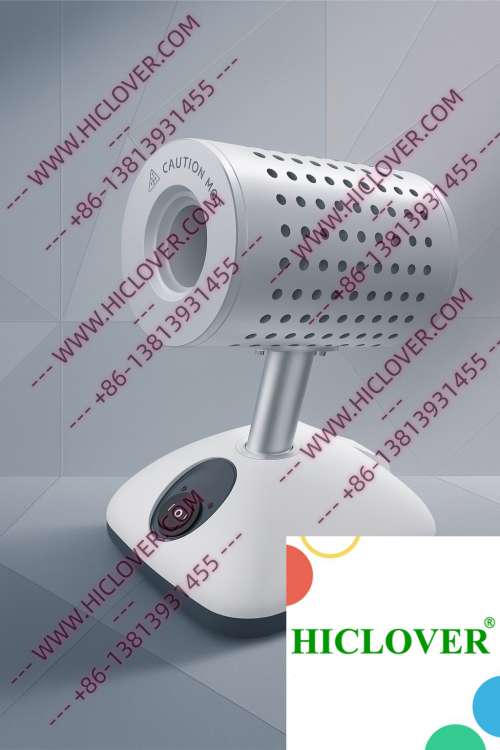
The Micro Incinerator employs infrared heat within an enclosed ceramic heating chamber to deliver rapid thermal sterilization. This technology offers an innovative alternative to traditional flame sterilizers such as alcohol lamps and Bunsen burners. Utilizing infrared radiation, these devices can achieve high-temperature disinfection efficiently and safely while minimizing aerosol exposure—a critical factor in maintaining sterile environments.
Core Features of the Micro Incinerator
- Clean-Bench-Safe Design: Designed to be used within clean benches or laminar flow cabinets, preventing contaminants from entering the workspace.
- Quick Heating Time: Reaches sterilization temperatures within seconds, enhancing workflow efficiency.
- Compact Footprint: Ideal for laboratory environments with spatial constraints.
- Eco-Friendly Operation: No open flames mean reduced risk of harmful emissions and fire hazards.
Real-World Application Scenarios
1. Biosafety Cabinets
In microbiology labs utilizing biosafety cabinets for handling pathogenic cultures, the Micro Incinerator shines through its clean and enclosed design. The rapid thermal sterilization ensures that inoculating loops are efficiently decontaminated without introducing flames, which can disrupt airflow and compromise the sterile environment. This capability is essential for protecting both lab personnel and the integrity of samples being processed.
2. Field Testing Laboratories
Laboratories conducting field tests, especially in remote locations, face the challenge of providing reliable sterilization methods where traditional resources may not be available. The portability and ease of use of automatic Micro Incinerators facilitate effective sterilization on-site without the need for electrical power sources, enhancing laboratory efficacy in environmental and field studies.
Compliance and Environmental Considerations
Meeting laboratory sterilization standards is crucial in ensuring safety and compliance, especially for organizations governed by the World Health Organization (WHO) biosafety guidelines. The Micro Incinerator’s design minimizes the release of harmful fumes and particulates, essential for maintaining clean environments, especially inside cleanrooms where traditional flame sterilization methods are unsuitable due to the risk of contamination.
| Feature | Micro Incinerator | Flame Burners |
|---|---|---|
| Emission Control | Low emission, no aerosols | High emission, risk of fumes |
| Heating Time | Seconds | Minutes |
| Safety | No open flame | Open flame risk |
| Application Versatility | Field, lab, mobile | Primarily lab |
Frequently Asked Questions
What types of laboratories benefit most from using a Micro Incinerator?
Micro Incinerators are particularly advantageous for microbiology labs, clinical diagnostics, educational institutions, and field testing laboratories. Their compact design and eco-friendly operation make them ideal for environments requiring strict safety protocols.
How do Micro Incinerators comply with WHO sterilization standards?
Micro Incinerators conform to WHO biosafety standards by eliminating the risk of aerosol generation, reducing emissions, and ensuring high-temperature disinfection without risk from an open flame.
Are there specific configurations available for different laboratory needs?
Yes, Micro Incinerators come in various designs and configurations to meet the distinct sterilization needs of diverse laboratory settings, ensuring they can adapt to workflows in clinical, educational, or field environments.
Conclusion
The evolution of laboratory sterilization technology is rapidly advancing towards a more sustainable and safe future. Micro Incinerators represent a significant breakthrough, alleviating the traditional challenges of flame sterilizers while enhancing safety and compliance. For laboratories striving for operational excellence while adhering to environmental carefulness, investing in an Automatic Micro Incinerator / Infrared Inoculating Loop Sterilizer is a step toward modernizing sterile practices. Connect with us today to explore purchasing options and enhance your laboratory’s sterilization capabilities!
Categories:
Tags: