
In the rapidly evolving landscape of laboratory biosafety, efficient sterilization of equipment and waste materials is becoming increasingly vital. Many laboratories in Malaysia face practical challenges in maintaining safety standards while ensuring an effective cleanliness workflow. Traditional flame sterilizers like alcohol lamps and Bunsen burners often require extensive precautions to prevent contamination and are not suitable in clean room environments. With the advent of the Micro Incinerator, a revolutionary shift in waste management and sterilization is underway.
Technical Principles Behind Micro Incinerators
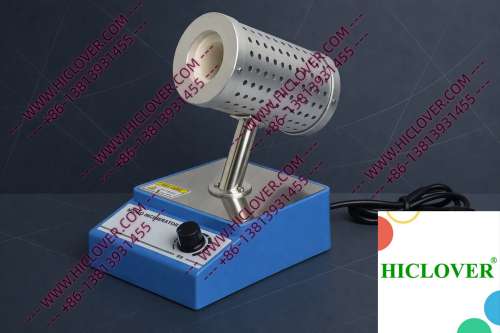
The Micro Incinerator, specifically the Infrared Inoculating Loop Sterilizer, relies on advanced thermal sterilization principles. Utilizing infrared heat, these devices reach high temperatures rapidly, making them ideal for effectively sterilizing inoculating loops, needles, and other small laboratory instruments. The enclosed ceramic heating chamber guarantees that heat is confined and effectively transferred, providing a clean, flame-free environment for sterilization.
This technology not only ensures high-temperature disinfection but also minimizes the risk of aerosol generation, enhancing the safety profile of laboratory operations. The design allows for quick heating and efficient energy use, significantly reducing the time required for sterilization compared to traditional methods.
Practical Applications in Laboratories
Micro Incinerators have a broad spectrum of applications across various laboratory settings. Two significant use cases include:
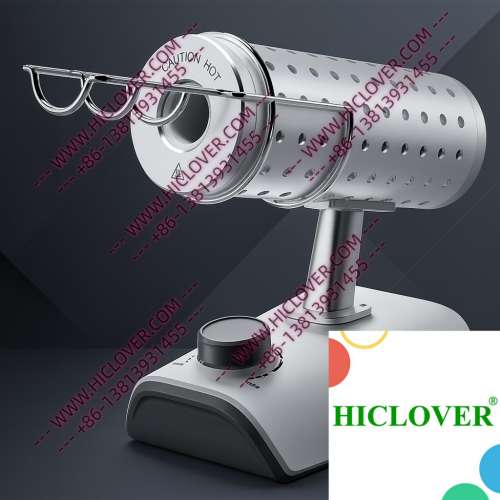
- Biosafety Cabinets: In BSL-2 and BSL-3 microbiology labs, the Micro Incinerator acts as a critical tool for sterilization processes. Its compact size and efficient function allow it to fit seamlessly within biosafety cabinets, minimizing the need for open flames and reducing contamination risks.
- University Teaching Labs: Educational institutions in Malaysia are adopting Micro Incinerators to facilitate sterile environments in teaching laboratories. This innovation not only promotes practical understanding of biosafety but also prepares students for advanced research practices and compliance with international lab sterilization standards.
Compliance and Environmental Considerations
Regulatory bodies like the World Health Organization (WHO) emphasize the importance of adhering to stringent biosafety and lab sterilization standards. In line with these guidelines, Micro Incinerators provide a safe alternative to traditional flame sterilizers, particularly in clean rooms where no open flames are permitted. Their compact, smoke-free design makes them ideal for maintaining compliance in various laboratory settings.
Furthermore, these devices echo eco-friendly practices, reducing the carbon footprint associated with laboratory waste disposal while ensuring effective sterilization. This aspect is particularly relevant to environmentally-conscious organizations and research centers in Malaysia looking to implement sustainable waste management solutions.
Micro Incinerator vs. Traditional Flame Sterilizers
| Feature | Micro Incinerator | Flame Sterilizers |
|---|---|---|
| Heating Method | Infrared heating | Open flame |
| Safety | Flame-free operation | Requires safety precautions |
| Contamination Risk | Minimized aerosol generation | Higher risk |
| Energy Efficiency | High efficiency, quick heating | Less efficient, slower |
| Usage Environment | Suitable for cleanrooms | Not suitable |
FAQs
What is a Micro Incinerator, and how does it differ from traditional sterilizers?
A Micro Incinerator is an advanced sterilization device that uses infrared heat to effectively eliminate pathogens on lab instruments. Unlike traditional flame sterilizers, it operates in a flame-free environment, reducing contamination risk and increasing safety.
Can Micro Incinerators be used in BSL-2 and BSL-3 labs?
Yes, Micro Incinerators are particularly suited for BSL-2 and BSL-3 laboratories due to their ability to fit within biosafety cabinets and eliminate risks associated with open flames.
Are Micro Incinerators environmentally friendly?
Absolutely! Micro Incinerators support eco-friendly waste management practices by providing efficient, high-temperature sterilization without the carbon footprint associated with traditional flame methods.
What are the benefits of using an Infrared Inoculating Loop Sterilizer over an alcohol lamp?
The Infrared Inoculating Loop Sterilizer offers advantages such as rapid thermal sterilization, reduced contamination risks, smoke-free operation, and compliance with laboratory safety standards, making it a superior choice over an alcohol lamp.
How do I maintain a Micro Incinerator?
Maintenance is minimal; regular cleaning and inspection of the ceramic tube and power cord are recommended to ensure consistent performance and safety.
Conclusion
As laboratory standards become increasingly stringent, the need for innovative waste disposal solutions like Micro Incinerators is undeniable. These devices not only help maintain high biosafety standards but also contribute to eco-friendly practices within Malaysian laboratories. If you’re looking to enhance your laboratory’s sterilization processes, consider investing in a Micro Incinerator. For more information or to make a purchase, please reach out to us today!
Categories:
Tags: