
In laboratories, the importance of maintaining strict biosafety protocols cannot be overstated. With increasing pressures on laboratories to ensure a contamination-free environment, especially in fields like microbiology or clinical diagnostics, rapid thermal sterilization has become a necessity. Traditional methods, including alcohol lamps and Bunsen burners, may not only pose safety risks but also generate harmful waste and fumes. Instead, modern solutions like the Micro Incinerator or Infrared Inoculating Loop Sterilizer present a robust option for sterile workflows while promoting eco-friendly practices.
Introduction to Laboratory Sterilization Challenges
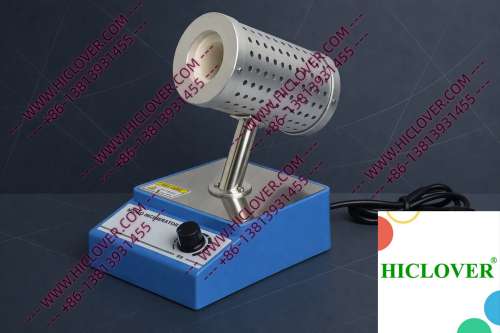
Laboratories tasked with handling pathogenic microbes or conducting intricate research are often faced with various biosafety challenges. The conventional flame sterilization methods can generate aerosols, leading to cross-contamination and an increased risk for laboratory personnel. Additionally, clean room environments require strict protocols, leaving no room for the open flames that traditional methods generate.
Understanding Infrared Sterilization Technology
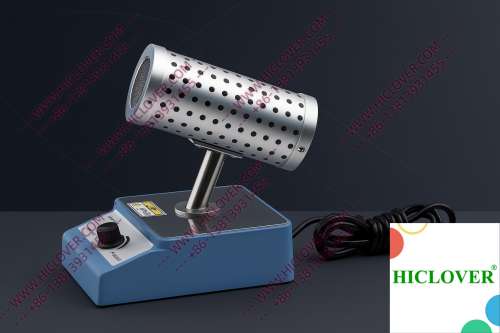
The Micro Incinerator utilizes infrared heating technology enclosed within a ceramic structure, allowing for high-temperature disinfection without the need for open flames. This design not only significantly reduces the risk of aerosol generation but also increases the efficiency of the sterilization process. In contrast to traditional alcohol lamps, which can take time to reach optimal temperatures and may leave residual alcohol, ceramic heating chambers provide rapid thermal sterilization, ensuring that inoculating loops and other instruments remain free from microbial contamination.
Applications of Heated Ceramic Sterilizers
1. Laboratory Biosafety Cabinets
In university teaching labs and BSL-2 microbiology settings, maintaining a sterile environment is paramount. The use of Micro Incinerators allows researchers and students to efficiently sterilize loops and needles without risking contamination from aerosols. Enclosed in a biosafety cabinet, users can manage their workflow more effectively while ensuring compliance with laboratory safety standards.
2. Field Testing Laboratories
For clinical diagnostics and mobile research in the field, the heated ceramic sterilizer provides a portable solution. Field testing labs often lack the infrastructure for extensive sterilization equipment. Hence, compact and lightweight options like the Micro Incinerator can be vital for ensuring safe and accurate results without the threat of contamination from traditional flame sterilizers.
Compliance and Environmentally Friendly Practices
Adhering to recognized biosafety standards, such as those outlined by the World Health Organization (WHO), is critical in laboratory settings. The Micro Incinerator meets stringent laboratory sterilization standards by offering a clean-bench-safe design that allows for sterilization without the production of harmful fumes associated with combustion. Notably, the reduction of flame usage is a pivotal aspect in maintaining clean rooms, where even small amounts of contamination can affect experimental results.
Comparison Table: Micro Incinerator vs. Flame Burners
| Feature | Micro Incinerator | Flame Burners (Bunsen/Alcohol Lamps) |
|---|---|---|
| Sterilization Speed | Rapid | Variable |
| Contamination Risk | Low | High (aerosol risk) |
| Environmentally Friendly | Yes | No (fumes produced) |
| Safety | High (no open flames) | Low (open flames present) |
| Size & Portability | Compact | Varies |
Frequently Asked Questions
- What types of laboratories benefit most from using a Micro Incinerator?
BSL-2 and BSL-3 microbiology labs, teaching labs, and field testing environments can all leverage the benefits of a Micro Incinerator for efficient sterilization.
- How does infrared sterilization compare to conventional methods?
Infrared sterilization is quicker, generates less contamination risk, and is safer due to the elimination of open flames.
- What environmental regulations does the Micro Incinerator comply with?
The device adheres to WHO biosafety standards and promotes cleaner laboratory practices by minimizing harmful emissions.
- What is the expected lifespan of a Micro Incinerator?
With proper maintenance, these sterilizers can provide years of reliable service due to their durable construction.
- Can the Micro Incinerator be used in clean room environments?
Yes, its design is specifically meant to prevent contamination, making it suitable for clean room conditions.
Conclusion
In summary, the Micro Incinerator / Infrared Inoculating Loop Sterilizer stands out as an essential piece of laboratory equipment that addresses the dual challenges of efficiency and safety in sterilization practices. By replacing traditional flame sterilizers with this eco-friendly solution, laboratories not only enhance their operational workflows but also demonstrate a commitment to environmentally responsible practices. For laboratories committed to ensuring the highest standards of cleanliness and safety, consider querying us for purchasing options, data sheets, or product demonstrations tailored to your specific requirements.
Categories:
Tags: