
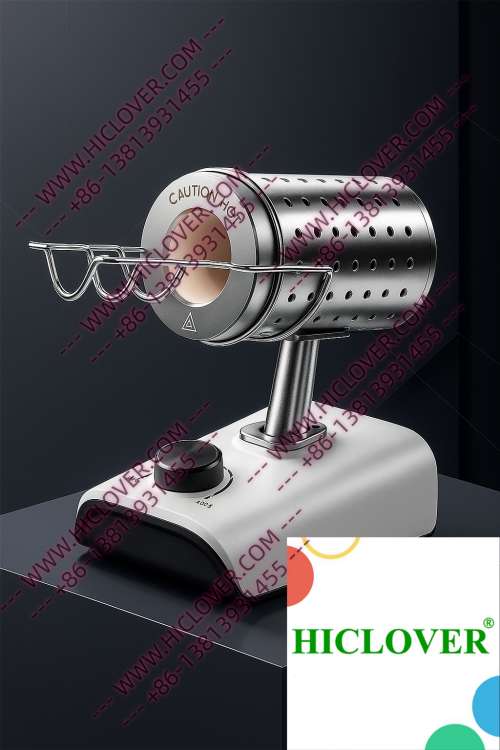
As biotechnology and laboratory practices evolve, the demand for effective biosafety measures and sterilization workflows in Australian laboratories has become more pressing. With the rise of stringent regulation standards and the increasing need for contamination control in environments ranging from clinical diagnostics to research institutions, finding innovative and eco-friendly sterilization solutions is essential. Among these solutions, the Micro Incinerator, or Infrared Inoculating Loop Sterilizer, is at the forefront, providing rapid thermal sterilization without the risks associated with traditional flame-based methods.
Practical Laboratory Challenges in Sterilization Workflows
Laboratories face numerous biosafety challenges, particularly those operating under BSL-2 and BSL-3 conditions. Ensuring proper sterilization of inoculating loops, needles, and other laboratory tools is critical not only for personal safety but also for preventing contamination that could affect experimental results. Traditional flame sterilizers such as alcohol lamps and Bunsen burners pose inherent risks, including open flames that can create aerosols and compromise cleanroom environments. Moreover, these methods often lead to uneven heating, which can inadvertently allow for microbial survival.
Technical Principles of Micro Incinerators
The Micro Incinerator operates on the principle of infrared heat, which provides a rapid and efficient means of sterilization without the use of flames. The device contains an enclosed ceramic heating chamber that rapidly reaches high temperatures, thus ensuring thorough disinfection of metal tools while minimizing contamination risks.
- Infrared high-temperature disinfection allows for instant heating and effective sterilization.
- The enclosed design prevents aerosols from forming, ensuring a clean environment.
- Compact size enables integration into various lab setups without compromising space.
- Q: Can I use a Micro Incinerator in a cleanroom environment?
- Q: How does the Micro Incinerator compare to traditional sterilization methods?
- Q: Is the Micro Incinerator suitable for BSL-3 laboratories?
- Q: What types of laboratories can benefit from this technology?
- Q: How long does it take to heat up?
Application Scenarios in Real Labs
1. Biosafety Cabinets: In BSL-2 laboratories, the Micro Incinerator can be stationed within a biosafety cabinet, allowing researchers to sterilize inoculating loops immediately after use while maintaining an aseptic environment. Its enclosed structure prevents harmful aerosols and ensures that contaminants remain contained, which is crucial for high-level biological safety.
2. University Teaching Labs: Educational institutions often require robust sterilization solutions that are user-friendly for students. The Micro Incinerator provides a safe alternative to flame sterilizers, allowing students to focus on learning sterile techniques without the risks associated with open flames. By contributing to the educational training of future scientists, this technology supports proper biosafety and contamination control practices from the outset.
Compliance and Environment Considerations
Compliance with international biosafety standards, as set by organizations such as the WHO, is necessary for laboratories in Australia. The use of flame sterilizers in cleanrooms can lead to compliance issues due to potential contamination and fire hazards. The Micro Incinerator complies with lab sterilization standards mandated for safe, effective sterilization without the related risks. Its ability to operate without flames makes it ideal for environments where aerosol-free handling is a necessity, aiding laboratories to meet stringent guidelines.
Comparison of Micro Incinerator vs Traditional Flame Sterilizers
| Feature | Micro Incinerator | Flame Sterilizers |
|---|---|---|
| Heat Source | Infrared | Open Flame |
| Contamination Control | Aerosol-free | Can produce aerosols |
| Temperature Control | Rapid and consistent | Variable |
| Safety | Lower risk of fire | Higher fire risk |
| Ease of Use | User-friendly | Requires technique |
Frequently Asked Questions (FAQs)
A: Yes, the Micro Incinerator is designed for cleanroom compatibility due to its enclosed design that prevents contamination and aerosol formation.
A: It offers rapid sterilization through infrared heat, reducing risks of contamination associated with traditional flame methods.
A: Absolutely, it meets the biosafety requirements for BSL-3 labs, promoting safety and effective sterilization.
A: It’s ideal for university teaching labs, clinical diagnostics, and any labs requiring high-level biosafety and contamination control.
A: The Micro Incinerator reaches sterilization temperatures within moments, significantly reducing the wait time compared to traditional methods.
Conclusion
The implementation of eco-friendly technologies like the Micro Incinerator is an essential advancement in Australia’s evolving waste management landscape. By effectively addressing the biosafety challenges presented in various laboratory workflows, this technology not only enhances sterilization processes but also ensures compliance with stringent safety standards.
If you’re looking to upgrade your laboratory’s sterilization methods with state-of-the-art solutions, consider investing in a Micro Incinerator. Contact us today to learn more about how this innovative product can enhance your lab’s efficiency and safety.
Categories:
Tags: