
In recent years, the laboratory environment has faced significant biosafety challenges and sterilization workflow demands. As laboratories strive to maintain safe and contamination-free conditions, the need for efficient, eco-friendly sterilization solutions has become paramount. Traditional methods like flame sterilization using alcohol lamps and Bunsen burners can increase the risk of fire hazards and do not guarantee a sterile environment, especially in sensitive settings. This is where Micro Incinerators, particularly Infrared Inoculating Loop Sterilizers, come into play as a modern solution to address sterilization needs.
The Technical Principle: Rapid Thermal Sterilization
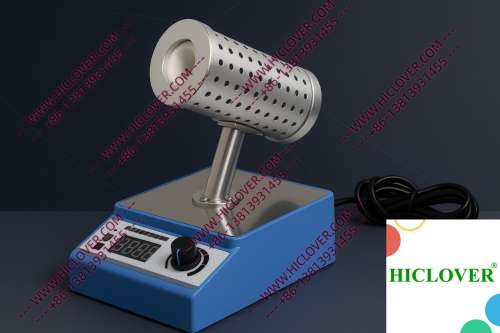
Micro Incinerators operate on the principle of infrared radiant heating. This technology features an enclosed ceramic heating chamber that quickly achieves and maintains high temperatures for efficient sterilization. Unlike traditional flame sterilizers, which emit flames that can be hazardous and produce aerosols, Micro Incinerators use a clean, flame-free process that minimizes aerosolization and ensures contamination control.
This innovative device produces infrared heat that effectively sterilizes inoculating loops and other laboratory tools in seconds, ensuring rapid thermal sterilization. The ability to maintain a constant temperature allows for precise disinfection, making these sterilizers particularly advantageous for laboratories where biosafety and accuracy are essential.
Applications in Real Laboratories
1. Biosafety Cabinet and BSL-2 / BSL-3 Microbiology Labs
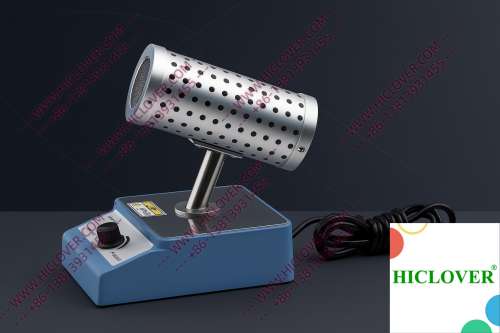
In BSL-2 and BSL-3 certified laboratories, maintaining a sterile environment is critical. The Micro Incinerator is ideally used in biosafety cabinets, where the enclosed design complements the controlled environment. Sterilizing inoculating loops before transferring microbial samples is essential to prevent cross-contamination. With the Micro Incinerator, lab technicians can quickly and effectively sterilize tools without interrupting the airflow or risking exposure to pathogens.
2. Teaching Labs in Universities
In academic settings, particularly university teaching labs, students are taught vital microbiological techniques, including sterile handling. Utilizing Micro Incinerators provides a safe and educational resource for students to learn about contamination control without the inherent risks of flame sterilizers. The clear visibility of sterilization in a flame-free environment fosters a learning atmosphere where students can focus on mastering their microbiology skills without distraction.
Compliance and Environmental Considerations
With the World Health Organization (WHO) setting stringent guidelines for laboratory biosafety, adherence to sterilization standards is crucial. Micro Incinerators not only comply with biosafety protocols but also align with current laboratory sterilization standards that mandate minimization of aerosol production. In clean rooms, the absence of open flames in sterilization processes is required to maintain the integrity of the controlled environment. Additionally, the use of Micro Incinerators significantly reduces environmental impact by minimizing hazardous waste associated with traditional sterilization methods.
“Incorporating eco-friendly innovations such as Micro Incinerators is essential for laboratories aiming for sustainable practices while ensuring safety and compliance.”
Micro Incinerator vs. Traditional Flame Sterilizers
| Feature | Micro Incinerator | Traditional Flame Sterilizers |
|---|---|---|
| Heating Method | Infrared heat | Open flame |
| Risk of Fire | Minimal | High |
| Aerosol Production | None | Potentially high |
| Cleaning Required | Minimal | Frequent |
| Certification Compliance | Meets WHO standards | May not |
FAQs
- What is a Micro Incinerator? A Micro Incinerator is a sophisticated sterilization device that uses infrared heat to achieve rapid thermal sterilization of laboratory instruments without an open flame.
- How does a Micro Incinerator compare to traditional flame sterilizers? Micro Incinerators offer a safer, more efficient alternative by eliminating fire hazards and aerosol production, thus enhancing laboratory safety and compliance.
- Where are Micro Incinerators typically used? They are commonly used in BSL-2 and BSL-3 labs, teaching laboratories, and any clean room environment requiring strict sterilization protocols.
- Are Micro Incinerators compliant with biosafety regulations? Yes, they comply with WHO biosafety standards and are designed to meet laboratory sterilization requirements effectively.
- What are the benefits of using a Micro Incinerator in university labs? They provide a safer learning environment, facilitate efficient sterilization processes, and help students focus on practical skills without the risks associated with open flames.
Conclusion
Embracing eco-friendly innovation in laboratory sterilization is not just a trend; it’s a necessity. The Micro Incinerator / Infrared Inoculating Loop Sterilizer represents a pivotal step towards a greener future in scientific research and education. By incorporating this sophisticated device into laboratory workflows, facilities can enhance safety, promote compliance, and contribute positively to environmental sustainability. For laboratories looking to upgrade their sterilization practices, investing in a Micro Incinerator is not only a smart choice but an essential one. Contact us today to learn more about how Micro Incinerators can meet your laboratory’s unique needs and help you achieve a truly sterile environment!
Categories:
Tags: