
As laboratory practices become more stringent, the demand for effective sterilization techniques is ever-present. Laboratories in Ghana, especially those operating in biosafety level 2 (BSL-2) and BSL-3 environments, face significant biosafety challenges, particularly in managing microbial contamination. Successful laboratory workflows depend on effective sterilization processes, making the innovations in equipment critical for compliance and operational efficiency. Micro incinerators, specifically the infrared inoculating loop sterilizer, are at the forefront of this transformation.
Understanding the Technical Principles of Micro Incinerators
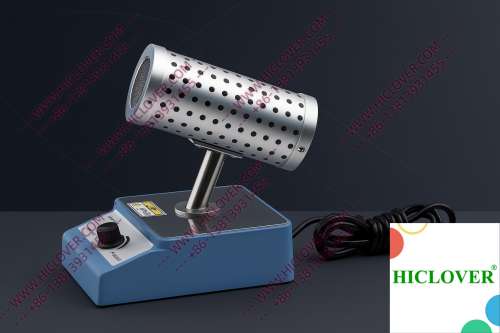
Micro incinerators operate on the principle of rapid thermal sterilization, utilizing infrared technology to achieve high-temperature disinfection. The device features an enclosed ceramic heating chamber that provides a clean and safe method to sterilize inoculating loops and other laboratory instruments without open flames. This is particularly important in controlled environments like clean benches and biosafety cabinets, where even the smallest of flame could pose serious contamination risks.
The technological configuration includes a highly efficient infrared heating element, which quickly elevates the temperature, creating an immediate sterilization effect. By radiating heat directly onto the surface of instruments, all microbial life is eradicated in a matter of seconds, thus promoting effective contamination control.
Applications of Micro Incinerators in Laboratory Settings
Micro incinerators find diverse applications across various laboratory settings, addressing specific sterilization needs efficiently:
- Biosafety Cabinets: In a BSL-2 microbiology lab, micro incinerators provide a flame-free option for sterilizing tools within biosafety cabinets, minimizing the risk of aerosol generation and cross-contamination.
- Field Testing Labs: In remote or mobile field testing laboratories, where electricity access may vary, micro incinerators can serve as reliable sterilization devices, allowing researchers to maintain high sterilization standards while conducting experiments even in challenging environments.
Compliance with Biosafety Standards
The World Health Organization (WHO) outlines stringent biosafety regulations that laboratories must adhere to. These standards emphasize the need for safe sterilization methods that do not compromise the integrity of clean environments. Traditional flame sterilizers, such as alcohol lamps and Bunsen burners, can create aerosols or lead to contamination during the sterilization process. In contrast, micro incinerators offer a clean-bench-safe solution, aligning with WHO guidelines for laboratory sterilization.
Meeting the standards set forth by both local and international authorities reinforces the need for adopting modern sterilization solutions like the infrared inoculating loop sterilizer. Furthermore, regulatory frameworks such as ISO 11135 and ISO 14937 guide sterilization practices, ensuring that laboratories operate within the prescribed compliance measures.
Comparative Advantages of Micro Incinerators Over Flame Burners
| Feature | Micro Incinerator | Flame Burners |
|---|---|---|
| Type of Heat Source | Infrared | Open Flame |
| Contamination Control | Minimizes aerosol generation | Risk of aerosol production |
| Safety | Flame-free operation | Potential fire hazards |
| Speed of Sterilization | Rapid | Varies |
Contact and Collaborate for a Sustainable Future
The transition to eco-friendly laboratory practices in Ghana is not just a trend; it’s crucial for fostering innovation and improving overall health outcomes. Micro incinerators exemplify how technological advancements can lead to eco-friendly solutions, addressing the pressing needs of contamination control while supporting the circular economy.
As laboratory equipment suppliers, universities, and research centers prioritize compliance and safety, micro incinerators stand as an essential investment for sustainable laboratory operations. Collaboration in adopting modern sterilization equipment is a step towards elevating the research and healthcare landscape in Ghana.
Frequently Asked Questions
- What is a micro incinerator?
A micro incinerator is a sterilization device that utilizes infrared heat to eliminate microbial contamination on laboratory tools and equipment quickly. - How does infrared heating work in the micro incinerator?
Infrared heating employs energy waves that penetrate the surface of instruments, raising their temperature rapidly to achieve sterilization without the need for an open flame. - Are micro incinerators safe to use in BSL-2 labs?
Yes, micro incinerators are designed to operate safely within BSL-2 and BSL-3 environments, ensuring minimal aerosol generation and maintaining biosafety compliance. - How do micro incinerators contribute to an eco-friendly laboratory practice?
These devices reduce the reliance on traditional flame sterilization methods, which can generate hazardous aerosols and waste, supporting a cleaner and more sustainable laboratory operation. - Can micro incinerators be used in field testing labs?
Absolutely! They are portable and can effectively sterilize tools even in remote locations without access to traditional sterilization facilities.
In summary, as laboratories nationwide strive to enhance efficiency, safety, and compliance, micro incinerators stand out as a transformative solution to laboratory sterilization needs. For further information or to discuss purchasing options, please contact us today.
Categories:
Tags: