
In a world grappling with mounting waste disposal challenges, the scientific and medical communities are in pursuit of eco-friendly solutions that prioritize sustainability while maintaining stringent safety protocols. Laboratory biosafety demands, especially in fields like microbiology, necessitate high-performance sterilization equipment that not only meets regulatory standards but does so with minimal environmental impact. A prominent example is the Micro Incinerator, a state-of-the-art infrared inoculating loop sterilizer designed for effective contamination control and rapid thermal sterilization.
Technical Principles: How Micro Incinerators Work
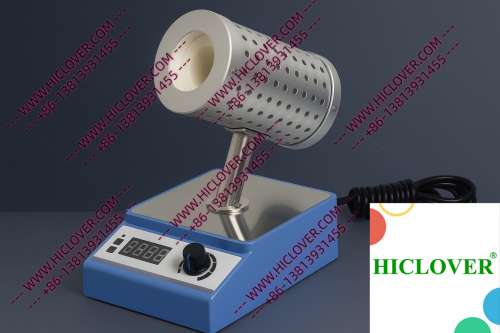
The Micro Incinerator operates through the principle of infrared heat, utilizing an enclosed ceramic tube that achieves and maintains high temperatures. This innovative design enables rapid thermal sterilization of laboratory tools such as inoculating loops, needles, and other equipment without the risks associated with open flames. Unlike traditional methods, micro incinerators heat tools quickly and evenly, leading to effective disinfection in mere seconds.
When activated, the infrared heating element rapidly raises the temperature to a predetermined level, ensuring all microbial life is eradicated, which in turn supports compliance with WHO biosafety standards and lab sterilization criteria. This process also eliminates the risk of hazardous aerosols that arise from flame-based methods, making it ideal for clean rooms and biosafety cabinets.
Applications in Real Laboratory Settings
1. Biosafety Cabinets
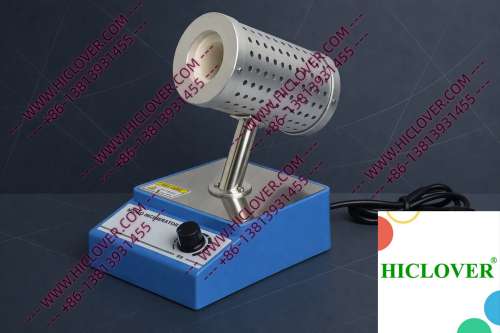
In BSL-2 and BSL-3 microbiology labs, where the handling of pathogenic organisms is routine, the Micro Incinerator can be employed safely within biosafety cabinets. Its compact design allows for easy integration into these controlled environments, ensuring that researchers can perform techniques without the risk of contamination common to traditional flame-based sterilizers. The reduced emission of harmful gases and aerosols creates a safer working environment, aligning perfectly with laboratory protocols for biological safety.
2. Teaching Labs
Educational institutions in the Czech Republic increasingly recognize the importance of incorporating sustainable practices into their curricula. The Micro Incinerator serves as an invaluable teaching tool in university laboratories. Its straightforward operation and high safety standards allow students to gain hands-on experience with cutting-edge sterilization techniques while ensuring compliance with laboratory waste disposal regulations.
Compliance with Sterilization Standards
As sustainability becomes an essential goal within scientific fields, compliance with stringent sterilization standards cannot be overlooked. The Micro Incinerator is designed to meet and exceed key requirements set by health organizations, such as the WHO. Critical aspects include:
- Aerosol-free handling: Reduces the risk of contamination during sterilization.
- No flame operation: Safe to use in clean rooms and confined laboratory spaces.
- Rapid sterilization times: Inoculation loops can be sterilized in under 10 seconds.
This focus on compliance allows laboratories to protect public health while minimizing their environmental footprint, ultimately contributing to sustainable waste solutions. When compared against traditional flame sterilizers like alcohol lamps or Bunsen burners, the Micro Incinerator showcases a distinct advantage in terms of safety and efficiency, as illustrated in the table below:
Comparison: Micro Incinerator vs. Traditional Flame Burners
| Feature | Micro Incinerator | Flame Burners |
|---|---|---|
| Aerosol Management | No aerosol production | Can create aerosols |
| Safety | Enclosed heating, no open flame | Open flame hazard |
| Speed | Instant sterilization | Requires pre-heating time |
| Environmental Impact | Eco-friendly, less waste | Higher emissions, more residue |
Frequently Asked Questions
- What is the average lifespan of a Micro Incinerator? The Micro Incinerator is designed for long-term use, typically lasting several years with proper maintenance.
- Can the Micro Incinerator be used in field testing labs? Yes, its portability and efficient operation make it suitable for mobile applications and field testing.
- How does the Micro Incinerator contribute to sustainability? It minimizes waste and pollution through efficient sterilization processes without the need for combustion.
- Is training required to operate the Micro Incinerator? While user-friendly, we recommend basic training to ensure safe and effective use of the device.
Conclusion: Embracing Sustainable Solutions
In summary, Micro Incinerators like the Infrared Inoculating Loop Sterilizer represent a proactive step towards addressing wastewater disposal and contamination control challenges in the Czech Republic. With their compact design, high safety standards, and compliance with global regulations, they prove invaluable in labs ranging from clinical diagnostics to educational environments. By transitioning to eco-friendly sterilization methods, laboratories can not only enhance their workflow protocols but also contribute positively to sustainability goals.
For more information on how the Micro Incinerator can elevate your laboratory’s sterilization practices, contact us today for a consultation or product inquiry!
Categories:
Tags: