
In the heart of Ethiopia, laboratory biosafety challenges and the demands for meticulous sterilization workflows remain at the forefront of health and safety initiatives. Laboratories, particularly those handling infectious agents and sensitive specimens, encounter critical needs for effective sterilization methods. With the rising concerns surrounding environmental sustainability and safety, the introduction of the Micro Incinerator, specifically the Infrared Inoculating Loop Sterilizer, emerges as a beacon of hope, revolutionizing how labs operate while addressing the pressing challenges of contamination control.
Understanding Micro Incinerators: The Technical Backbone
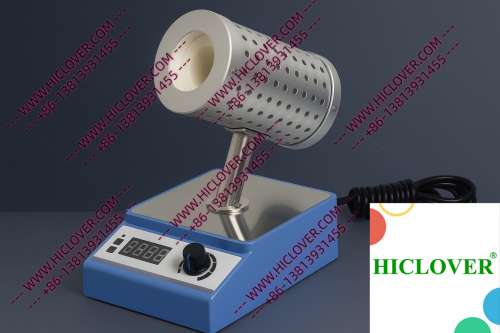
The Micro Incinerator operates on a principle of rapid thermal sterilization, utilizing infrared heat generated within an enclosed ceramic tube. This technology ensures that high temperatures are achieved swiftly and maintained consistently, providing effective disinfection of laboratory instruments such as inoculating loops, blades, and pipette tips. The enclosed design minimizes airborne contaminant production, ensuring a clean-bench-safe working environment.
“Unlike traditional flame sterilizers, the Micro Incinerator’s infrared system eliminates the need for open flames, ensuring higher safety standards and cleaner operational environments.”
Application Scenarios in Diverse Laboratory Settings
1. University Teaching Labs
In educational institutions throughout Ethiopia, the adoption of the Micro Incinerator is changing the landscape of laboratory training. Students can familiarize themselves with advanced sterilization techniques in a controlled environment, providing hands-on experience crucial for their future careers in the biosciences. Within a university’s microbiology lab, for example, students can safely perform inoculations and sterilize their implements using the Micro Incinerator, thus minimizing risks of contamination.
2. Mobile and Field Testing Labs
Ethiopia’s diverse terrain often presents challenges in laboratory accessibility. Mobile testing units, such as those used for field studies in rural health initiatives, can greatly benefit from the compact and lightweight design of the Micro Incinerator. These units can perform sterilization on-site, facilitating quick and reliable analysis of samples taken from various locations while ensuring adherence to stringent sterilization protocols.
Compliance With International Biosafety Standards
Maintaining compliance with the World Health Organization (WHO) biosafety and sterilization standards is paramount in all laboratory settings, especially in BSL-2 and BSL-3 facilities handling infectious pathogens. The Micro Incinerator aligns with these standards by eliminating the risks associated with traditional flame sterilizers, such as aerosol generation and contamination. Its application in clean rooms is especially valuable, as it guarantees that no open flame is present, thereby ensuring a safe working environment.
Advantages of Micro Incinerators Over Traditional Flame Sterilizers
| Feature | Micro Incinerator | Flame Sterilizers |
|---|---|---|
| Operation Speed | Rapid thermal sterilization | Variable, slower heating |
| Contamination Control | Aerosol-free handling | Open flame risks |
| Safety | No open flame | High fire risk |
| Energy Efficiency | Utilizes infrared technology | Typically requires more fuel |
| Maintenance | Low maintenance | High maintenance |
Frequently Asked Questions
- What is a Micro Incinerator? A Micro Incinerator is a laboratory sterilization device that uses infrared heat within a ceramic tube to sterilize tools rapidly and effectively.
- How does a Micro Incinerator improve laboratory safety? It eliminates the need for open flames, reducing fire hazards and air contamination risks.
- Can the Micro Incinerator be used in field labs? Yes, its compact and portable design makes it ideal for mobile labs and field testing.
- What are the maintenance requirements for a Micro Incinerator? It requires minimal maintenance compared to traditional flame sterilizers.
- How does the Micro Incinerator align with WHO standards? It meets international biosafety standards by providing safe and effective sterilization while preventing contamination.
Conclusion
The introduction of Micro Incinerators, particularly the Infrared Inoculating Loop Sterilizer, marks a significant step toward enhancing laboratory protocols in Ethiopia. By ensuring stringent compliance with biosafety standards, providing operational safety, and meeting the sterilization demands of various lab environments, the Micro Incinerator not only promotes cleaner laboratory practices but also contributes to a safer community. For those looking to upgrade their sterilization methods and ensure the highest standards of biosafety, consider investing in Micro Incinerators today. Reach out to us for more information and to explore your options for procurement.
Categories:
Tags: